Getting Your IR Wavelengths Right for Brake Pads
When you’re bonding brake pads, it’s a delicate balance. You need enough heat to cure the adhesive, but not so much that you torch the friction material. Here’s the problem: ceramic pads and semi-metallic pads don’t “drink” heat the same way. If you just throw a generic IR lamp at the problem, you’re asking for trouble—either the surface overheats or you end up with uneven curing.
Why the material actually matters
It comes down to how these materials react to the infrared spectrum. Semi-metallics move heat around differently than ceramics do. Because of that, we have to pick a lamp wavelength that hits the specific “sweet spot” for that material. Think of it like this. Short-wave IR digs deep. You need that for those thicker bonding layers. Medium-wave IR, on the other hand, mostly hangs out on the surface. If your production line jumps between ceramic and semi-metallic runs, a one-size-fits-all lamp just won’t cut it. You’ve got to match the wavelength to the material. Otherwise, you’ll get “cold spots” in the bond line, and that’s where the failure happens.
Dialing in the heat
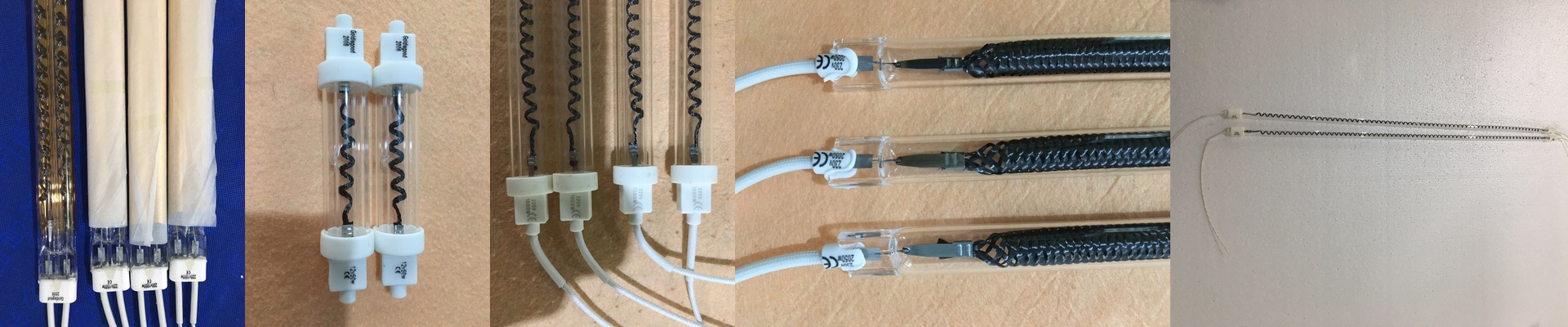
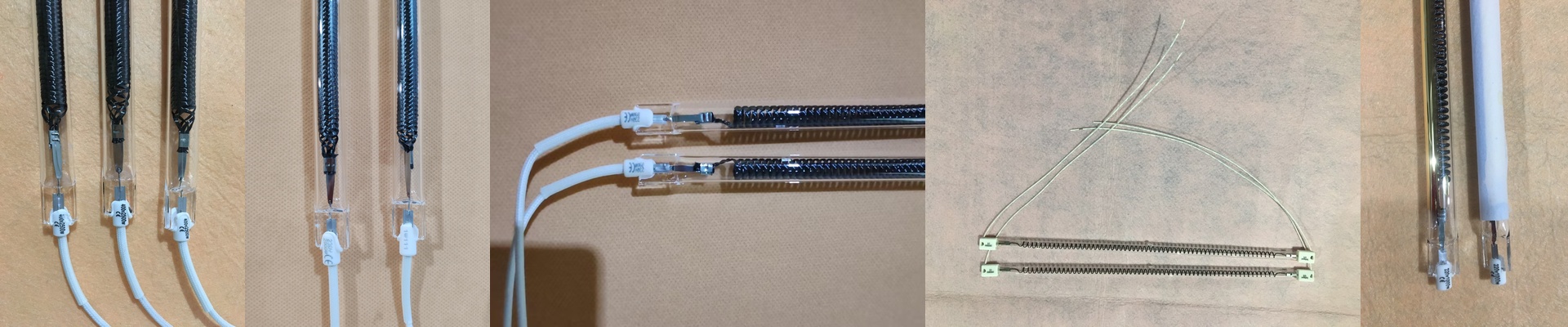
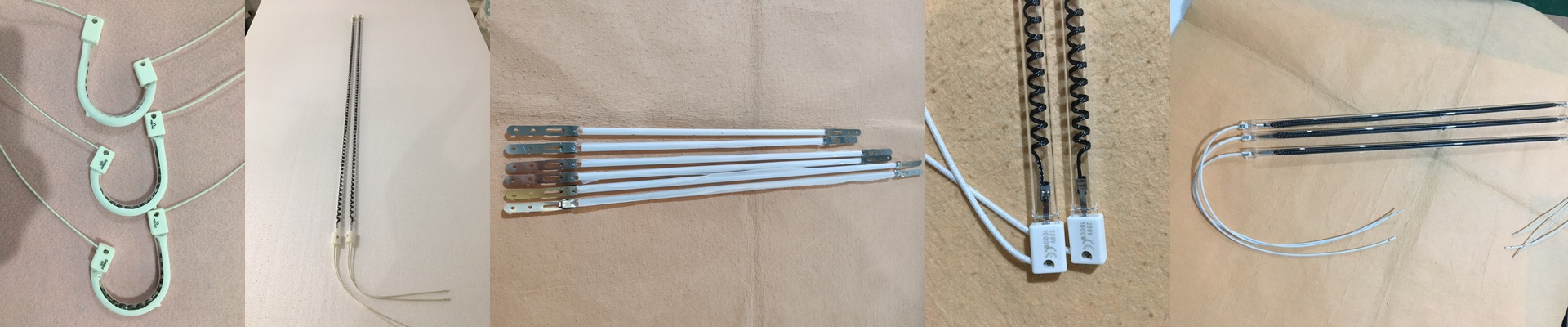
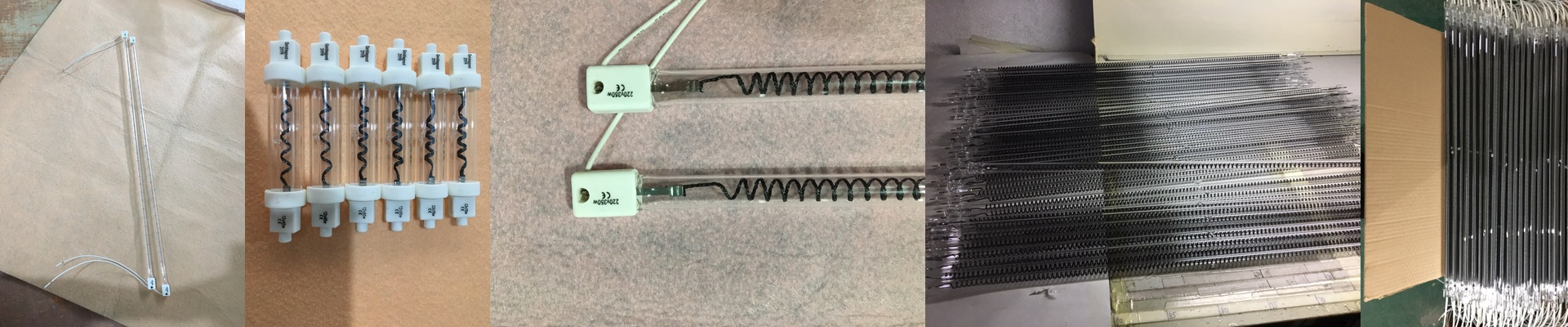
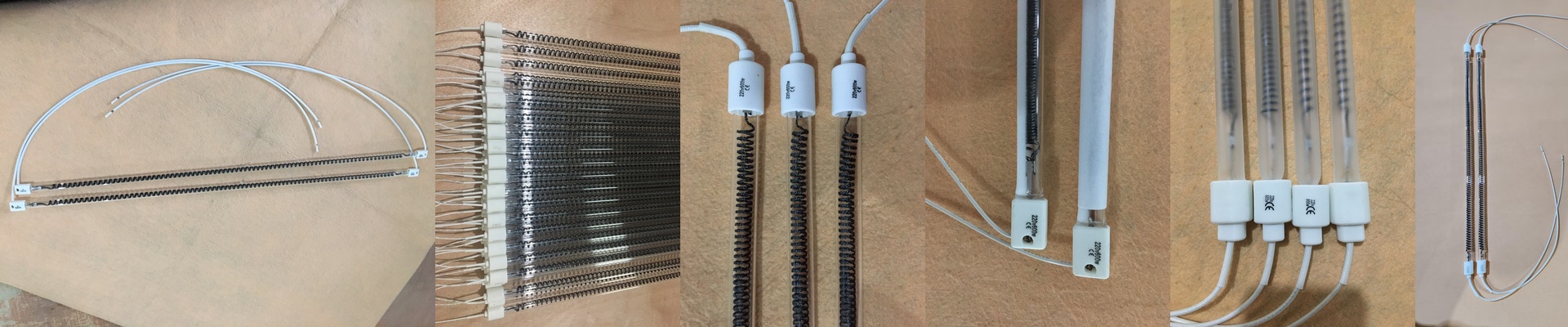
The goal is to get that adhesive to its glass transition temperature fast. High-wattage quartz tubes get the job done, but they’re power-hungry. Just a heads-up: make sure your controllers can actually handle the rapid cycling. If they can’t keep up with the temperature ramps, the whole process falls apart.
The trade-off
It’s tempting to just crank up the wattage to speed up the line. More power equals faster parts, right? Not exactly. If you push too much energy into a ceramic pad, you risk thermal shock. You might even see cracks in the friction material. It’s a balancing act between heat density and how fast the conveyor is moving. And if you do decide to ramp up the power to shave a few seconds off your cycle time, you’ll need to beef up your cooling zone. You’ve got to stabilize the part before it moves to the next stage, or you’re just creating a new problem down the line.