Getting the Heat Right: Vertical IR Distribution for Paint Booths
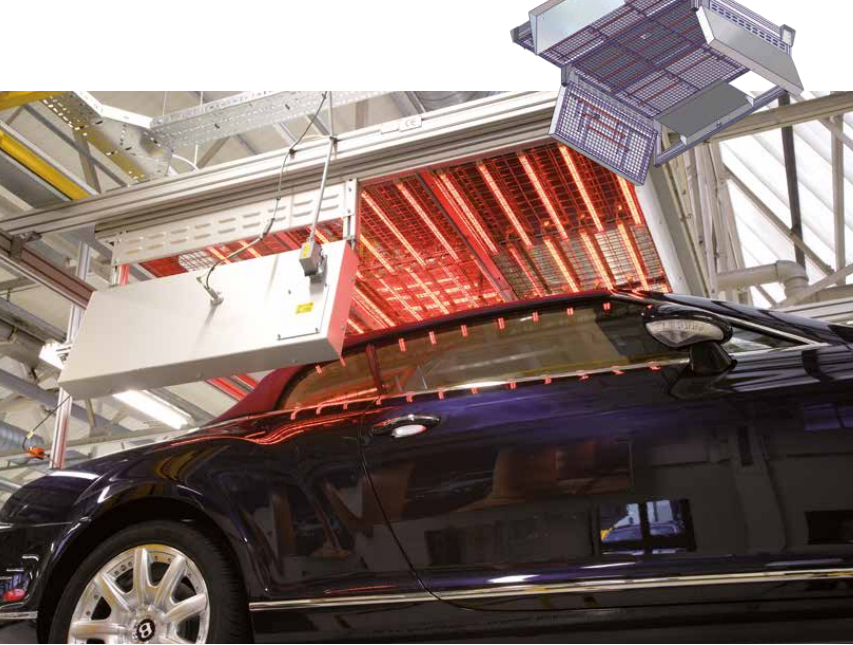
Here’s the problem we run into when building infrared (IR) heating walls: cars aren’t all the same shape. You’ve got tiny sports cars and massive SUVs coming through the same booth. If you just slap a standard grid of lamps on the wall and call it a day, you’re going to have cold spots on the chassis and a scorched roof. It’s a mess. To fix this, we don’t just “install lamps.” We map out the heat to fit the car.
Playing with Density and Space
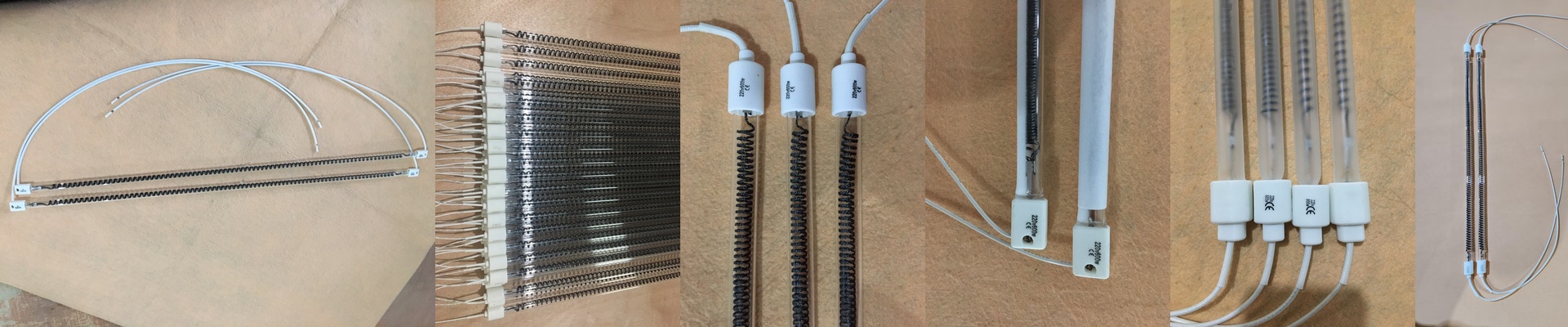
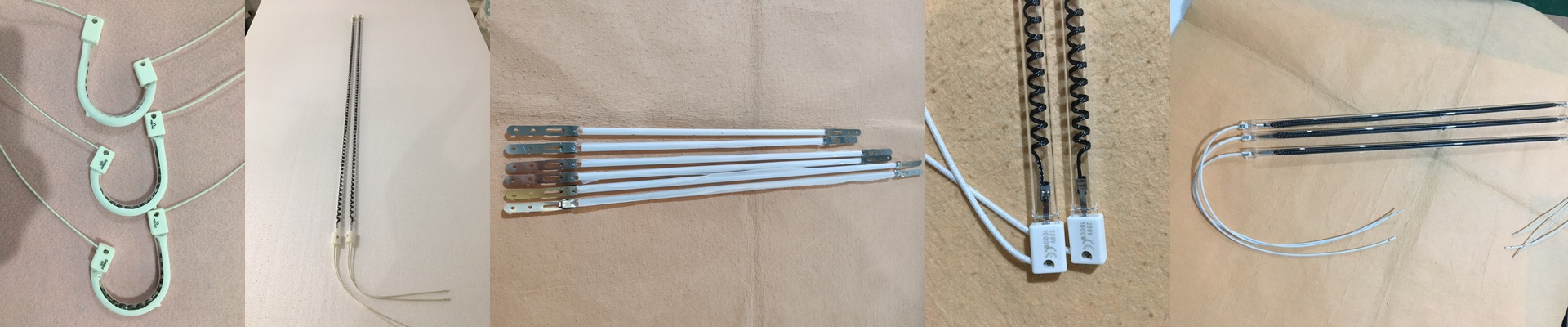
We don’t believe in even spacing. That’s a waste. Instead, we put the heavy-hitting, high-wattage emitters right where the bulk of the car sits—usually the mid-section. The spacing (or “pitch”) between the lamps is where the magic happens. If you’re curing a low-slung Porsche, we tighten that array up. For a Tahoe? We stretch it out so those lower panels actually get the energy they need. But you have to be careful. If the lamps are too close, you’ll fry the clear coat. To stop that from happening, we use specific reflectors that widen the beam. It smooths everything out so you don’t get those annoying “hot stripes” on the paint.
The Gear and the Trade-offs
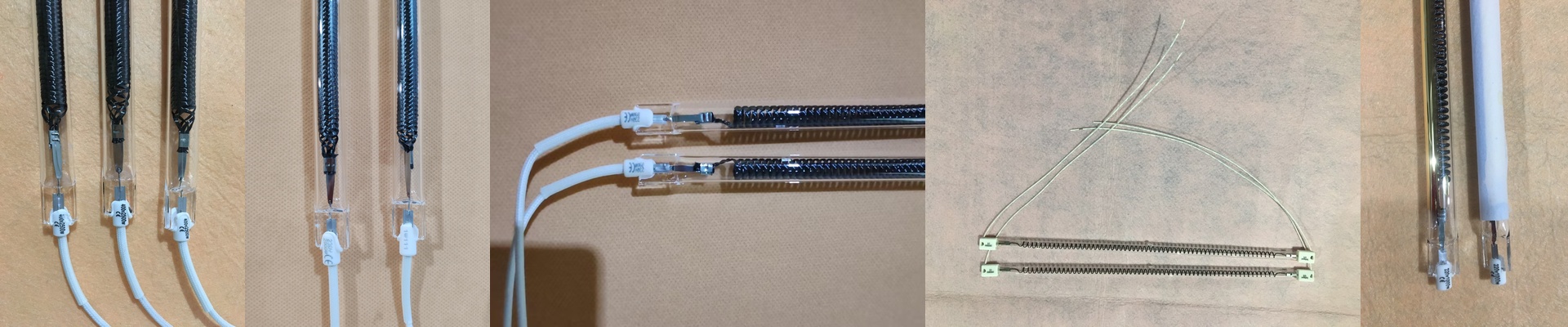
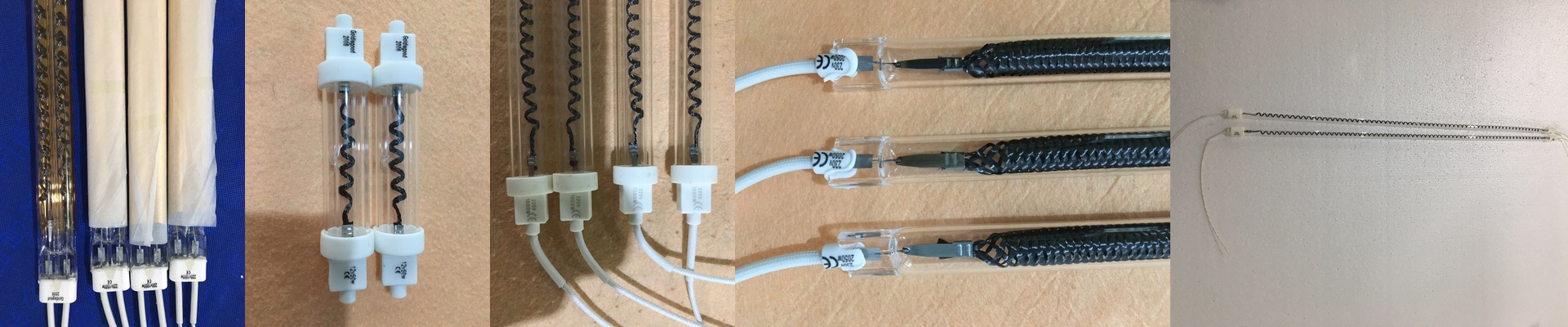
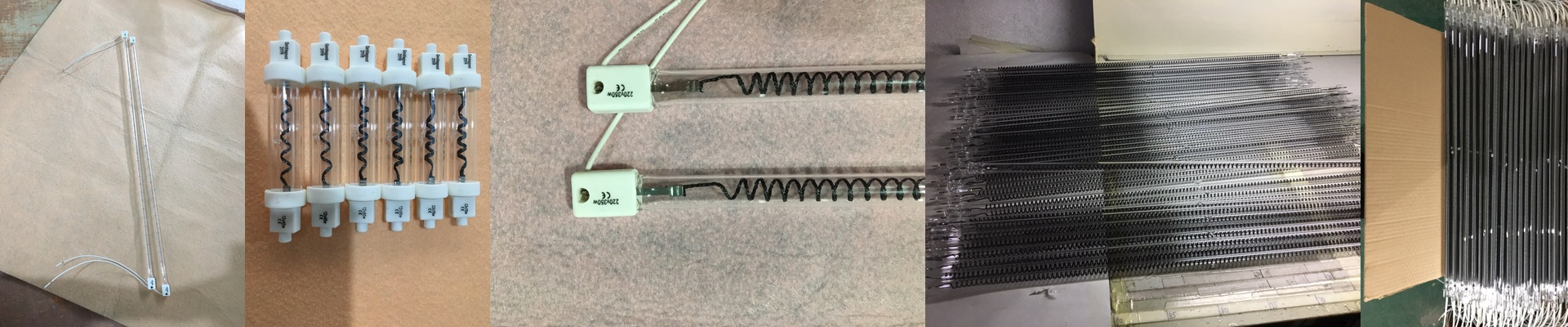
We go with shortwave quartz lamps. Why? Because they punch through the paint layer way faster than medium-wave options. They hit temperature in a few seconds. It’s fast. Really fast. And that changes everything for your turnaround time. But there’s a catch. These high-density arrays are power-hungry. If you pack a wall with 2kW tubes to shave time off your cure, your electrical panel has to be ready for that initial surge. If your wiring is cheap or under-rated, the wires will start overheating before the paint even gets warm. Not a good look.
Making it Work on the Shop Floor
We build these as modular banks. I’ve seen too many shops have to tear down an entire wall just to replace one burnt-out tube. With a modular setup, you just swap the tube and get back to work. We also use heavy-duty connectors because, let’s be honest, shop environments are rough. Things get bumped. Tools get dropped. One last tip: make sure your zoning controllers are mapped to the height of the vehicle. There’s no point in paying to heat empty air.