Getting the Heat Right: A Guide to Custom Brake Pad Curing Walls
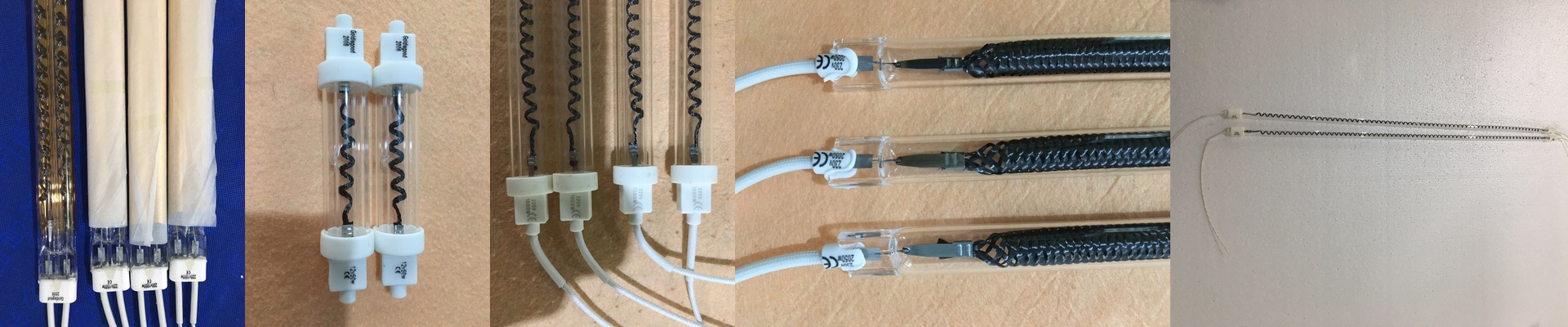
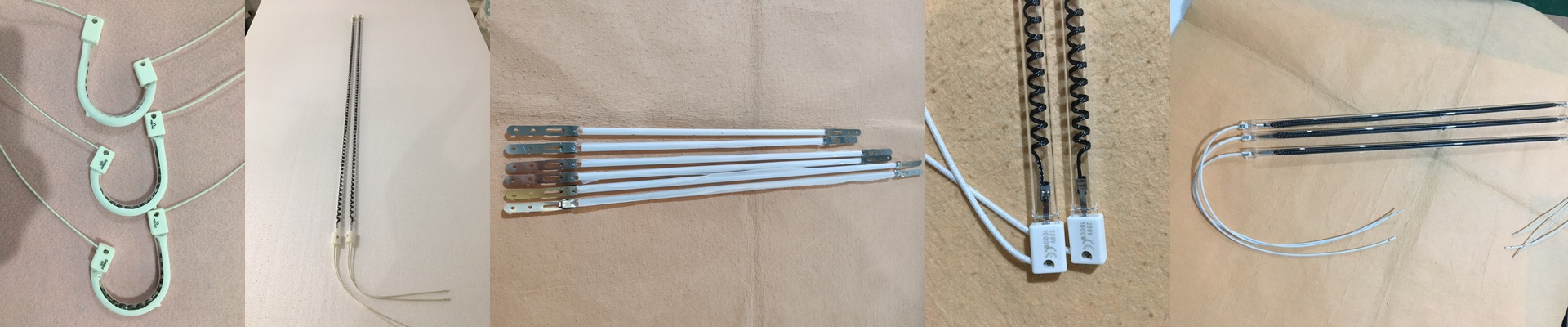
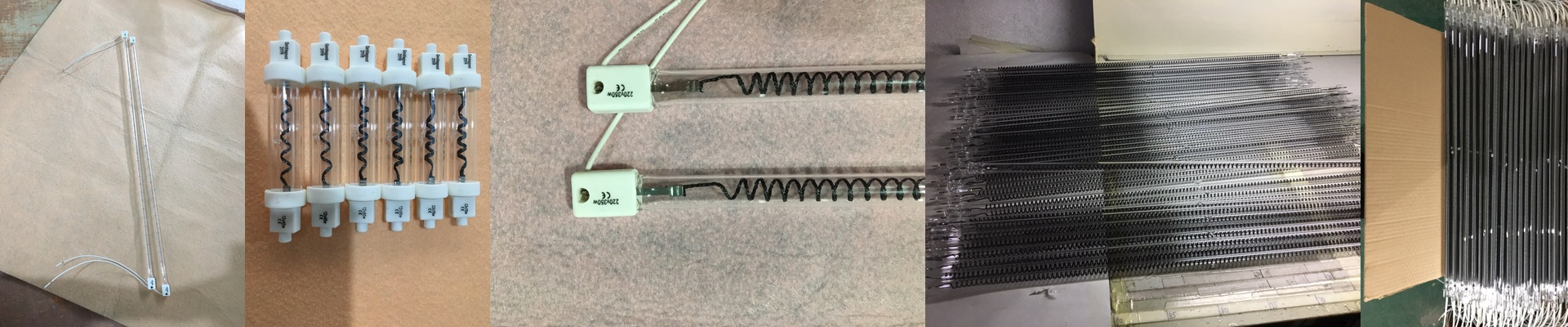
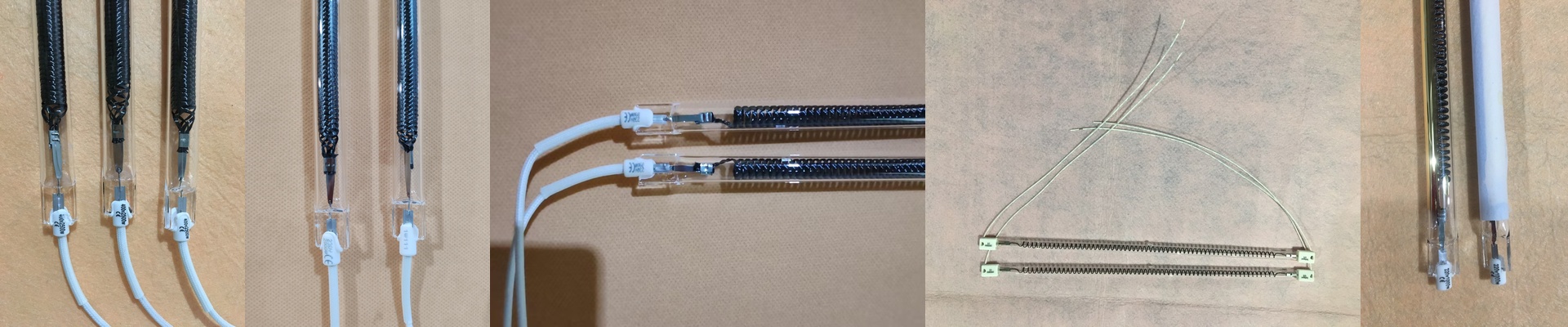
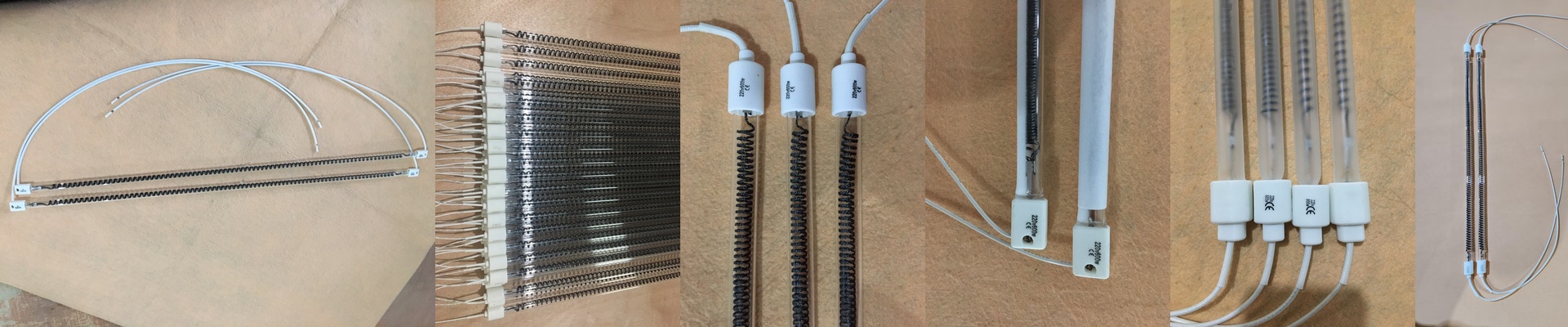
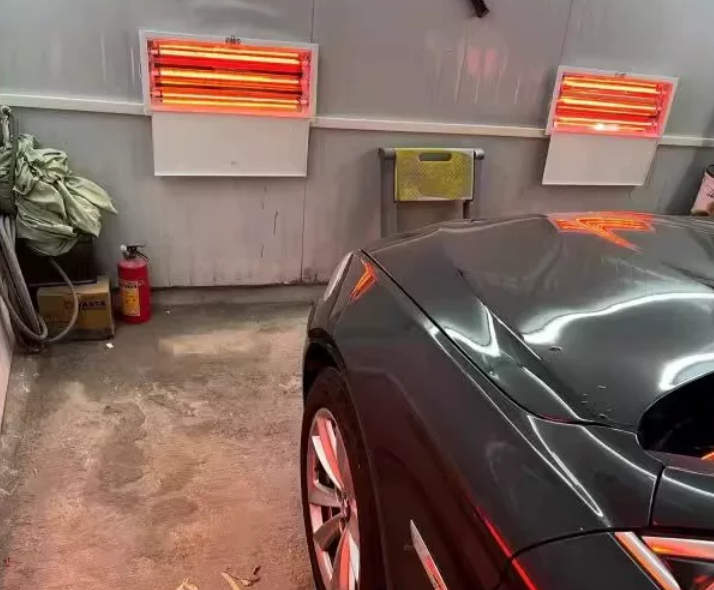
When you’re curing brake pad coatings, it’s all about the thermal profile. Get it wrong, and you’re looking at blisters or, even worse, a coating that just doesn’t stick. When we build these customized heating walls for paint booths, the real headache isn’t the total power. It’s actually where you put the lamps. If the vertical distribution is off, the whole process falls apart. The battle against rising heat Here’s the thing: heat rises. It’s basic physics, but it ruins a lot of setups. In a vertical wall, your top lamps are fighting against all that ambient heat floating up from the bottom. Meanwhile, the bottom lamps are struggling with the cold air that likes to settle on the floor. We handle this by playing with the lamp density. If we’re working with smaller parts, we cluster high-density shortwave lamps right in the center. For those massive chassis, we spread the load out. If you cram the lamps too close, you’ll burn the coating. Put them too far apart? You get cold spots. And cold spots mean the part fails. The gear and the trade-offs We usually go with quartz halogen tubes. They ramp up fast. Really fast. That shortwave IR lets the heat sink into the coating quickly, which is exactly what you want. But there’s a catch. When you pack in that much wattage, the frame takes a beating. I’ve seen housings warp because they couldn’t handle the stress. To stop that, you need heavy-duty aluminum heat sinks and ventilation that actually works. And please, don’t just put the whole wall on one switch. That’s a recipe for disaster. We split the wall into vertical zones. This way, you can dial back the power at the top while cranking it at the bottom to make up for the heat loss. It gives you way more control. The reality check Matching your lamp layout to the size of the car definitely speeds things up. You get more parts through the door, and they look better. Just keep an eye on your power bill—and your breakers. Higher lamp density means a massive electrical load. Make sure your plant can handle that initial surge when the system first kicks on, or you’ll be spending your afternoon talking to the electrician.