Keeping the Heat Steady in Brake Pad Production
If you’re making brake pads, you know the curing cycle is everything. It’s a delicate balance. If your infrared (IR) module starts drifting, your resin won’t polymerize evenly. That’s a nightmare. You end up with inconsistent friction coefficients and a pile of rejected parts. To keep a line running 24 hours a day without the power jumping around, you have to obsess over two things: the heating element and the electrical load.
The Battle with Voltage
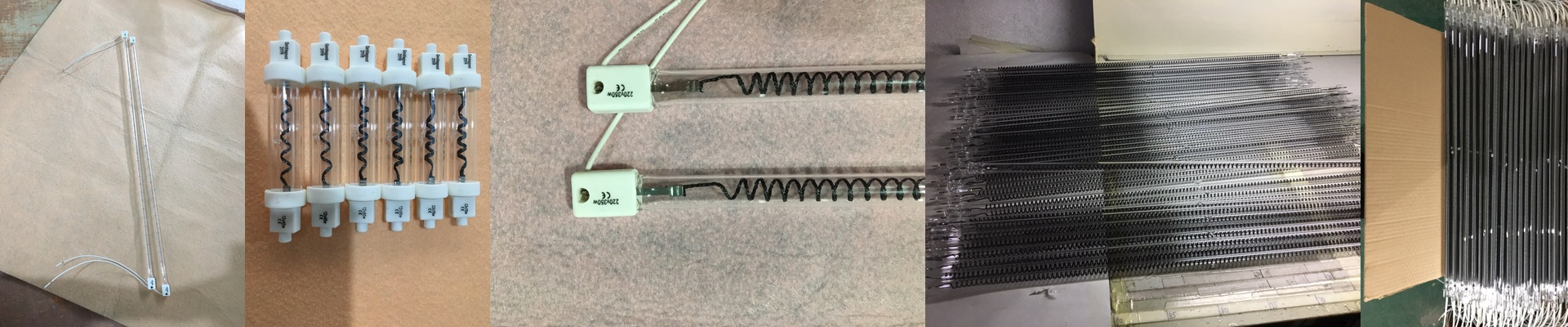
We build these modules to survive the grind of a non-stop assembly line. But here’s the thing: when you’re running a high-wattage IR array, voltage tends to drop as you move down the line. If you aren’t careful, the lamps at the end of the tunnel just aren’t hitting the same numbers as the ones at the start. We fix this by using stabilized power supplies and heavy-gauge wiring. It’s simple, but it works. Every module gets the exact same juice. Now, you need high power density to get that heat deep into the material, fast. But there’s a catch. Pushing max wattage through a small space puts a ton of stress on the quartz envelope. If your cooling fans aren’t dialed in, the ends of the lamps will overheat and simply snap.
Gear That Actually Lasts
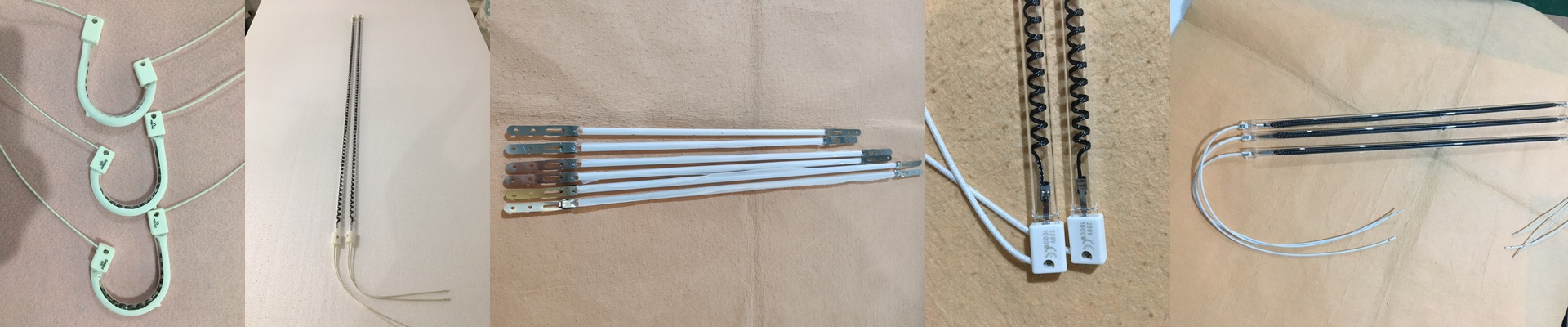
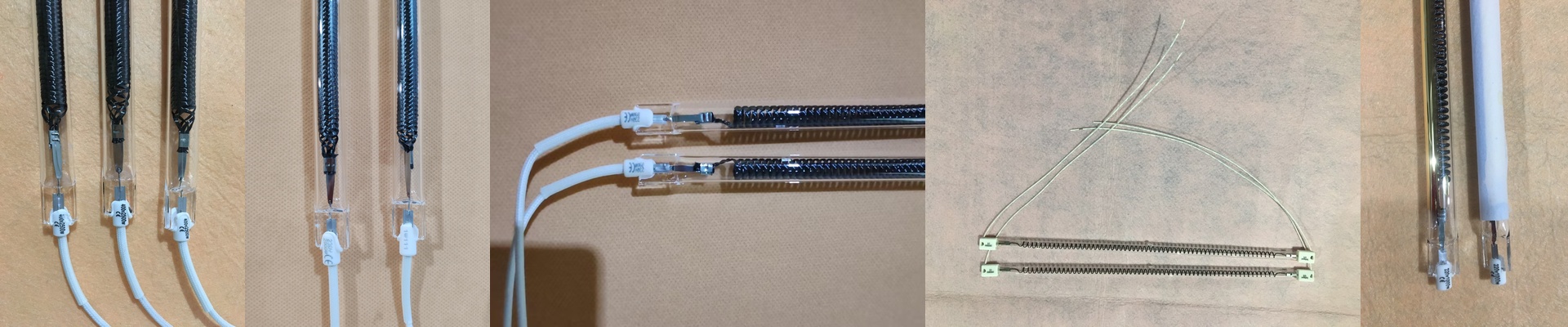
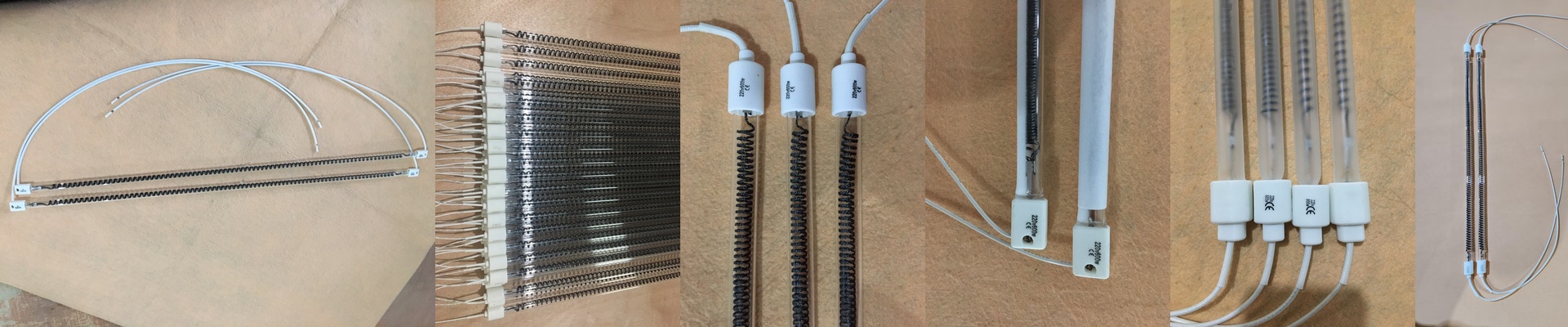
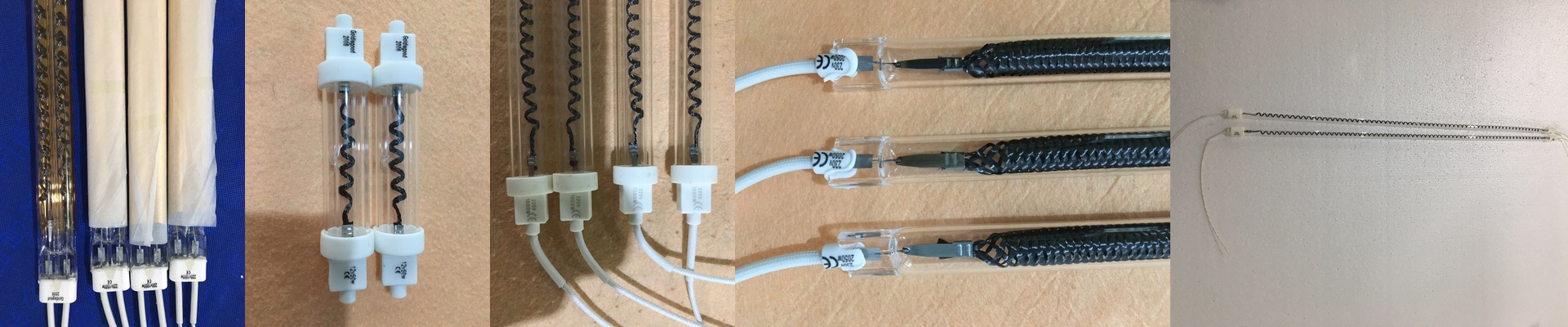
We use industrial-grade quartz tubes with special coatings. Why? Because we want the energy hitting the brake pad, not wasting it by heating up the machine frame. And since these things run 24/7, we use reinforced connectors. Thermal expansion is a real killer—things grow and shrink as they heat up—and cheap connectors just shake loose. These don’t. Plus, we know that when a lamp finally gives out, you can’t just freeze the whole factory. We designed these as drop-in replacements. You swap the tube, plug it in, and you’re back in business in a few minutes.
Stopping the “Drift”
Most power fluctuations happen because of cheap sensors or messy PID tuning. It’s frustrating. To stop that, we pair our IR modules with high-precision thermocouples. We place them exactly where the material meets the heat. This creates a tight feedback loop. The system feels the change and adjusts in real-time, so your output stays flat even if the factory floor gets freezing or sweltering.