Getting Brake Lining Curing Right with IR Heating
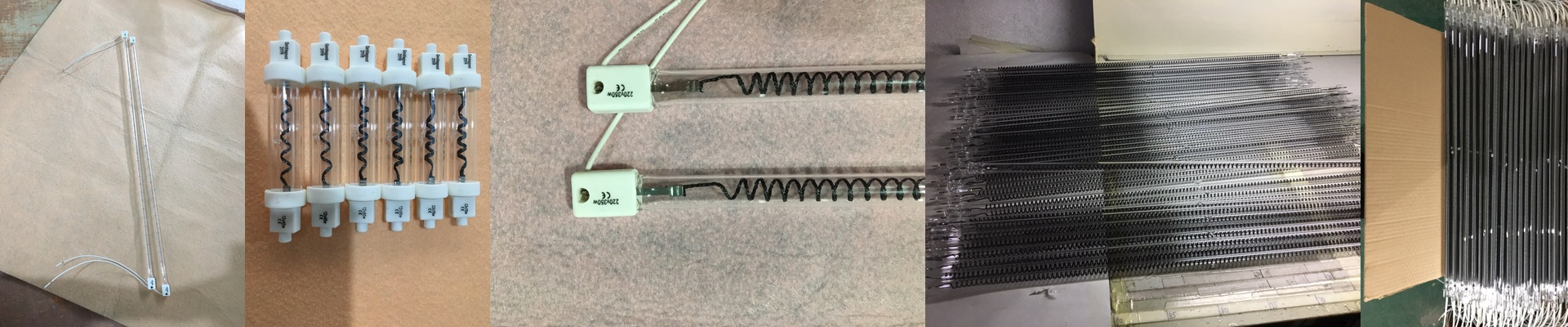
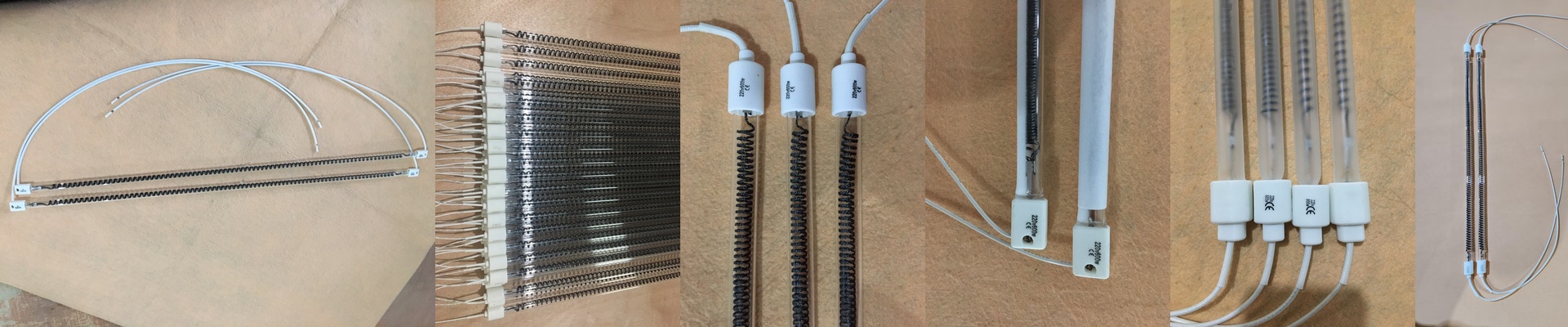
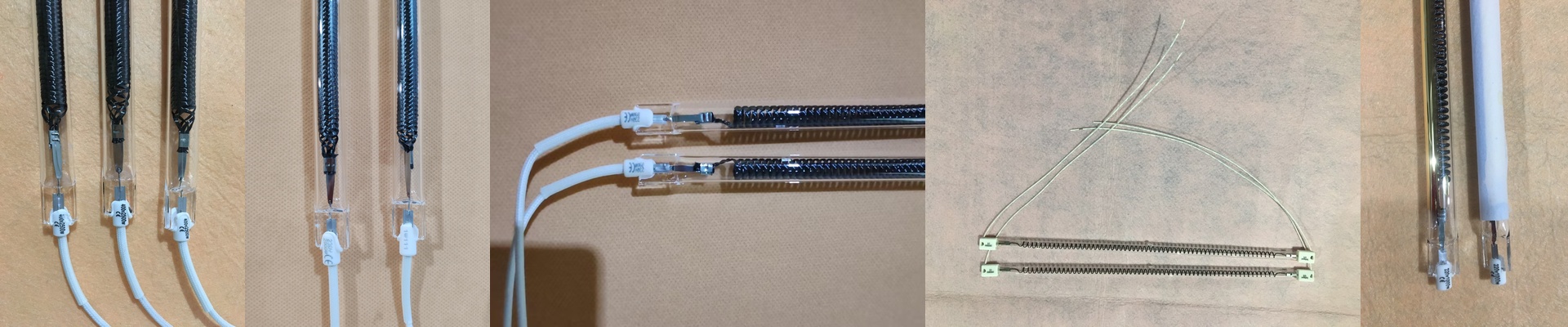
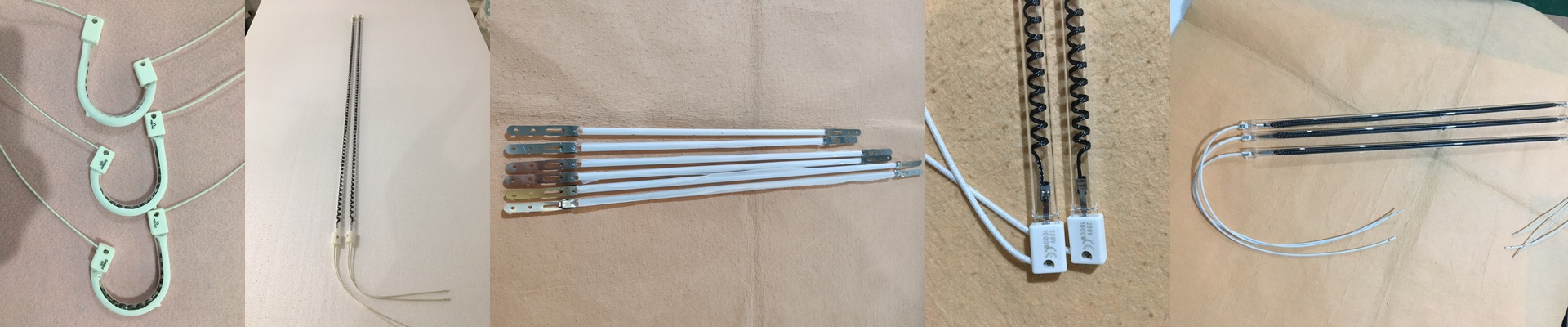
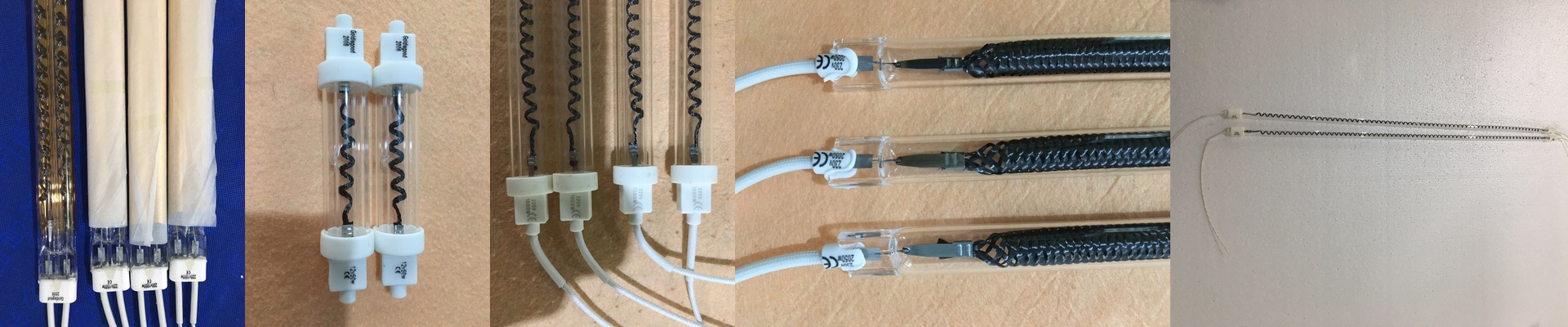
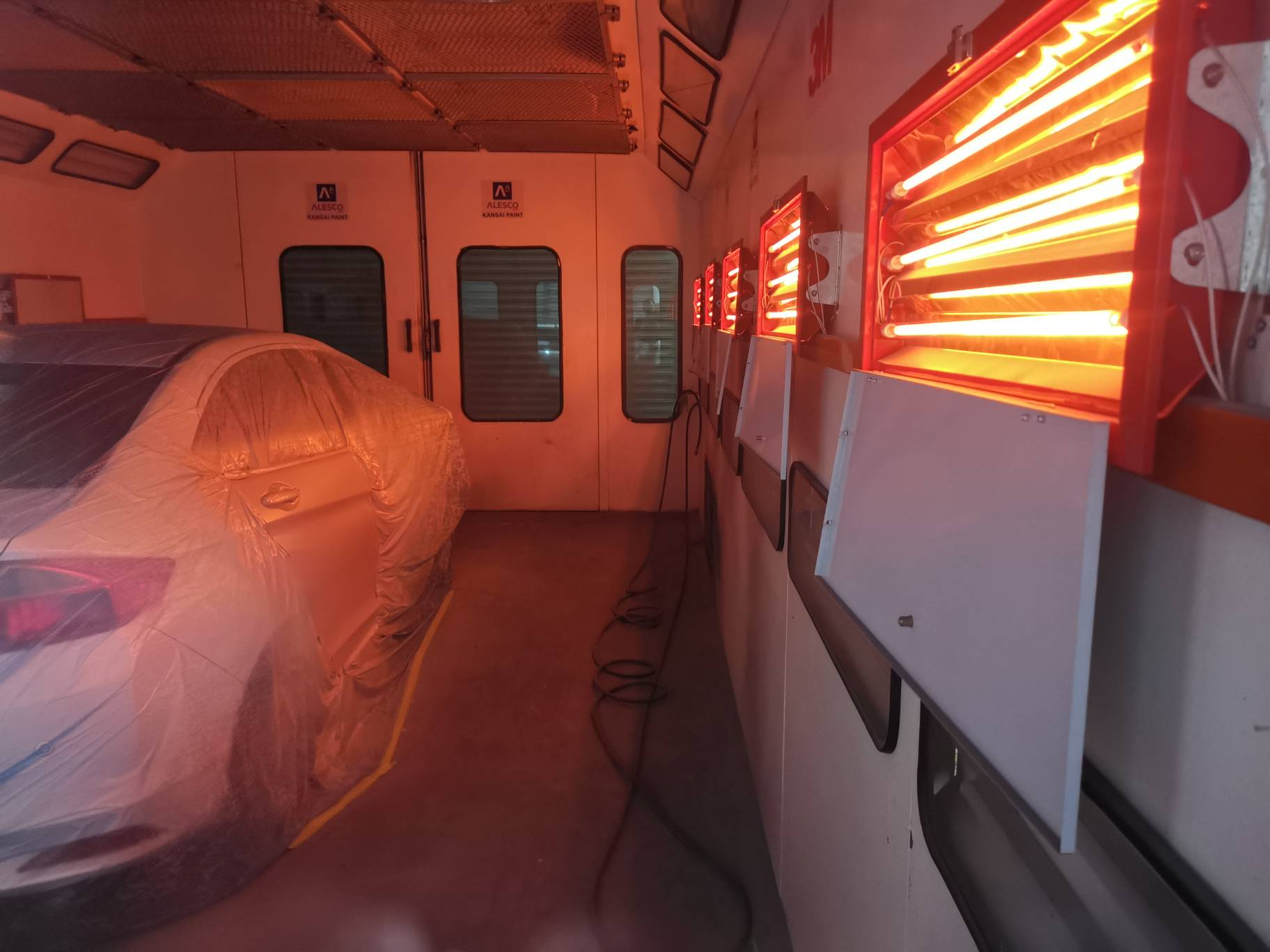
Curing brake linings is a bit of a balancing act. You’ve got this tiny window of temperature you have to hit perfectly. If the heat slams into the material too fast or unevenly, you’re looking at thermal cracks and those annoying internal pores. That’s why we lean on short-wave quartz heaters. Instead of just baking the surface, these lamps push radiant energy deep into the lining. It’s a much more thorough way to get the job done.
The Battle Against the “Skin Effect”
The real headache in brake pad production is the temperature gradient. If the outside cures and hardens while the core is still cold, the material shrinks unevenly. We handle this by playing with the wattage and where the quartz tubes are sitting. It lets us ramp up the heat in stages. If you don’t do this, you get the “skin effect”—where the surface seals shut and traps gases inside. That’s exactly how you end up with those dreaded pores.
Why Quartz Actually Works
We use high-purity quartz glass because it lets the IR energy through without any fuss. The best part? These heaters react instantly. Forced-air ovens are sluggish; they take forever to catch up. With quartz, the second your sensors hit the target temp, you can kill the power. It’s the only way to make sure you don’t over-cure the parts.
Real-World Shop Floor Tips
Here’s the thing: spacing matters. If you mount those lamps too close, you’ll scorch the surface before the center even gets warm. I’d suggest using a PID controller and some fast-response thermocouples to keep everything tight. Also, keep in mind that high-wattage tubes put out a lot of ambient heat. If your housing isn’t vented properly, you’re going to fry your wiring and sensors. And once that heat soak kicks in, your temperature set-points will start drifting, and you’re right back where you started.