Stop Wasting Floor Space on Your Brake Pad Dryers
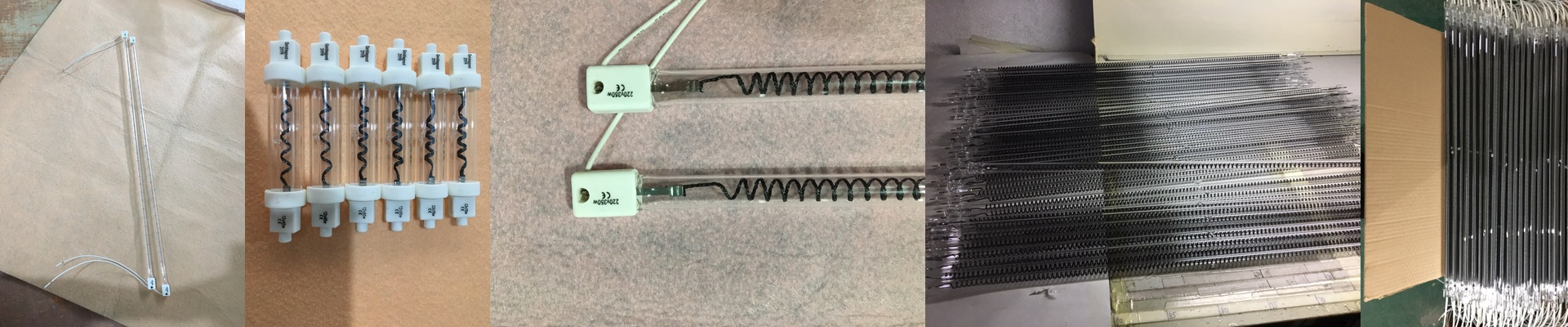
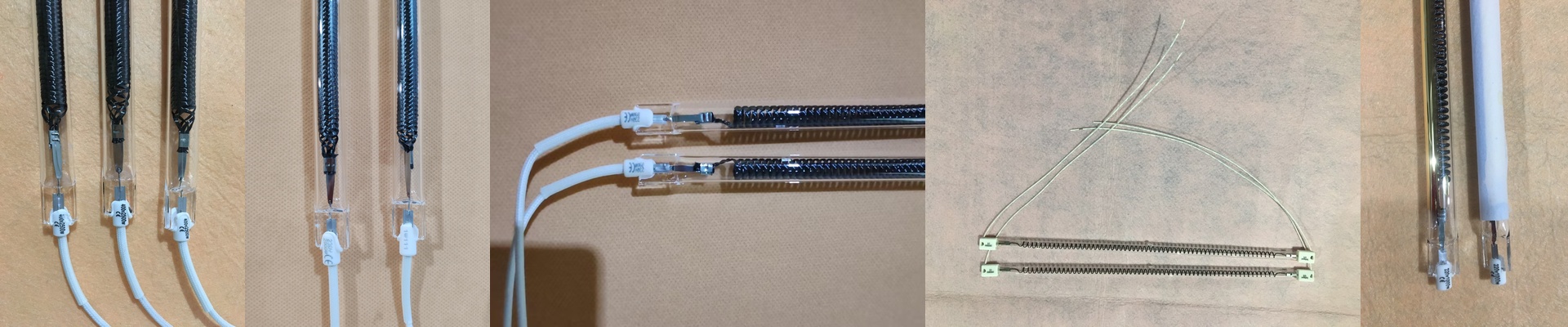
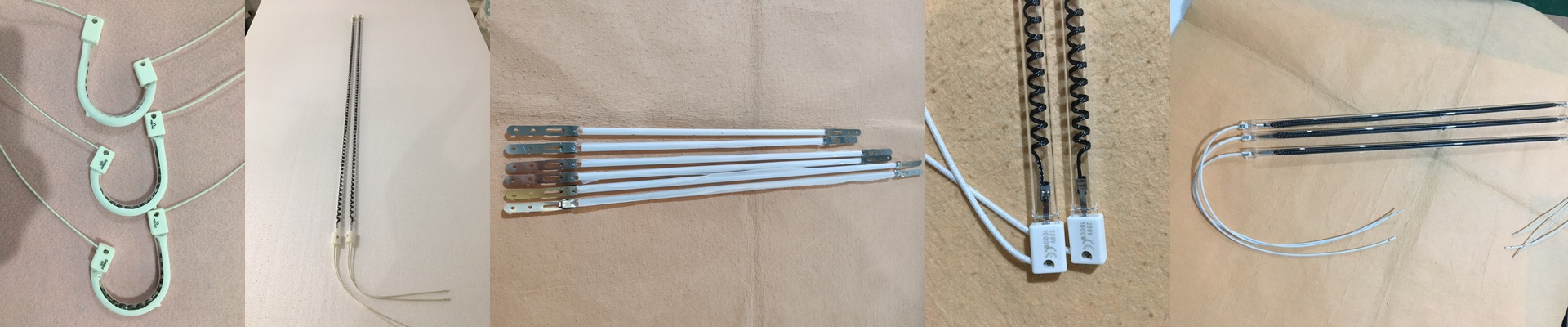
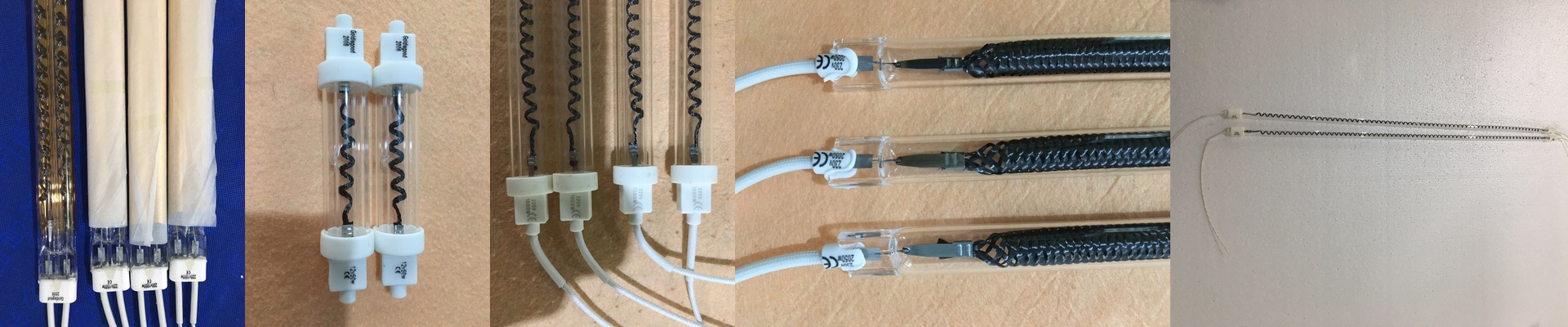
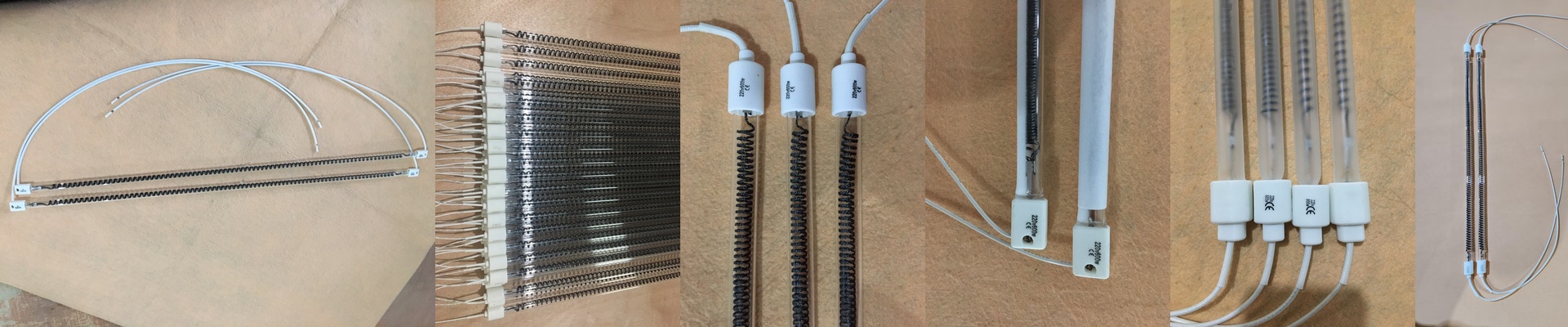
If you’re still using standard convection ovens to dry your brake pad coatings, you know the struggle. You’re basically heating up a giant box of air and hoping that heat eventually finds its way into the material. It’s slow. And because it’s slow, you end up with these massive tunnel ovens that eat up half your shop floor just to make sure the core temperature is right. We do things differently. We swap out the hot air for shortwave infrared (IR) emitters. Instead of warming the room, we drive the heat straight into the coating.
Why Shortwave IR actually works
Think of it this way: shortwave IR hits at a higher frequency. It doesn’t just sit on the surface; it penetrates deep into the brake pad. It’s fast. Really fast. You aren’t waiting around for the air to get hot. The second those lamps click on, they hit the target. This means your curing tunnel can be way shorter, which lets you push more parts through every hour without having to move a wall or expand your building.
Getting the setup right
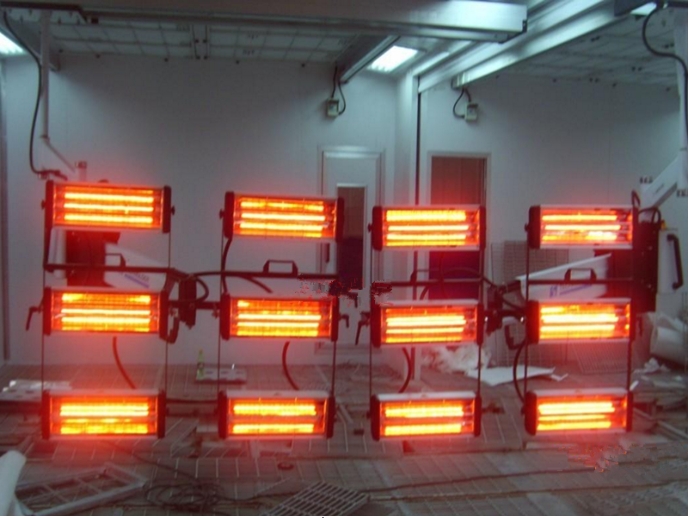
When we build these systems, we’re obsessed with heat density. We use high-wattage quartz lamps so you can put the energy exactly where the coating is thickest. The best part? You can zone the heater banks. You can blast the pads with intense heat right at the start and then dial it back as they head toward the exit. It keeps you from over-baking the parts. Just a heads-up on the electrics: these arrays pull some serious power. Make sure your panels can handle that initial surge when the system kicks in.
The catch (because there’s always one)
IR is a powerhouse, but it has one weakness: it needs a clear line of sight. If your pads are stacked or overlapping, the lamps can’t “see” the shadowed areas. That’s where you get cold spots and uneven curing, which is a nightmare for quality control. You have to be precise with your conveyor layout and the angle of your lamps. Before you lock in your belt speed, we always suggest doing some thorough thermal mapping. Trust me, it’s better to find a cold spot now than to find a batch of rejected parts later.