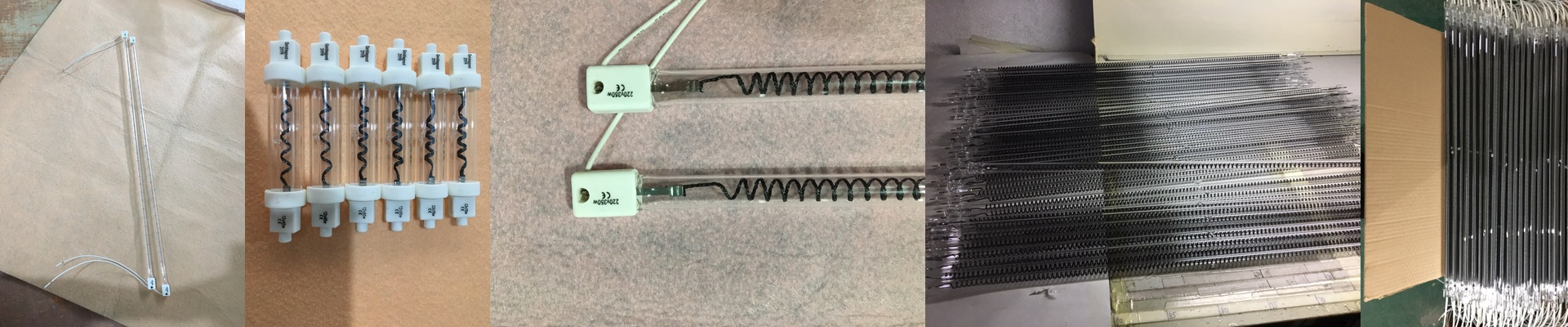
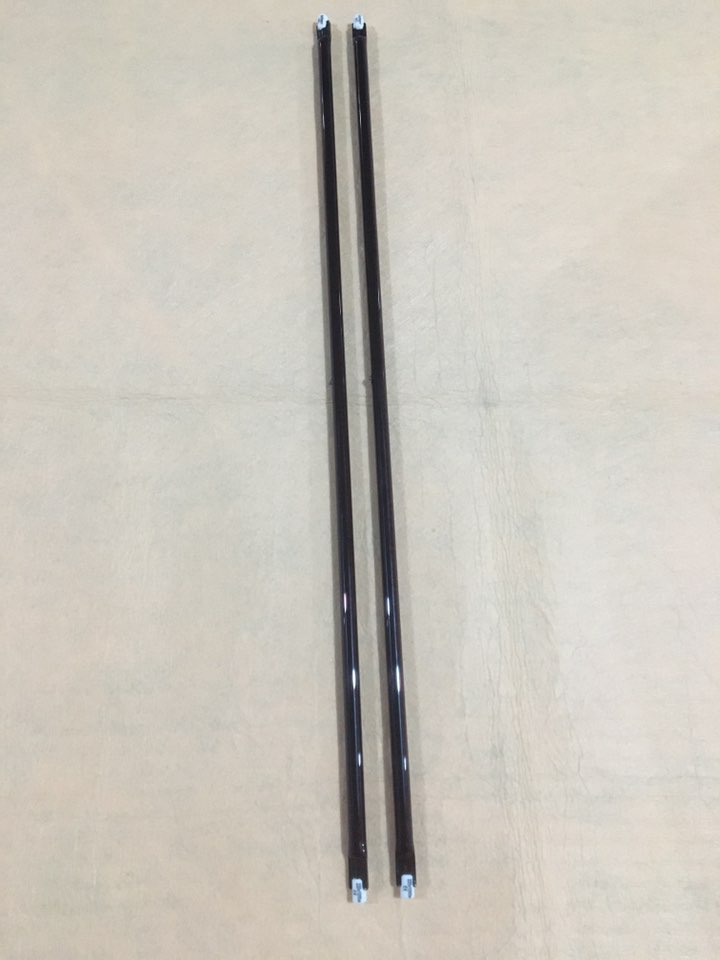
What This Carbon Fiber Quartz Heater Is All About
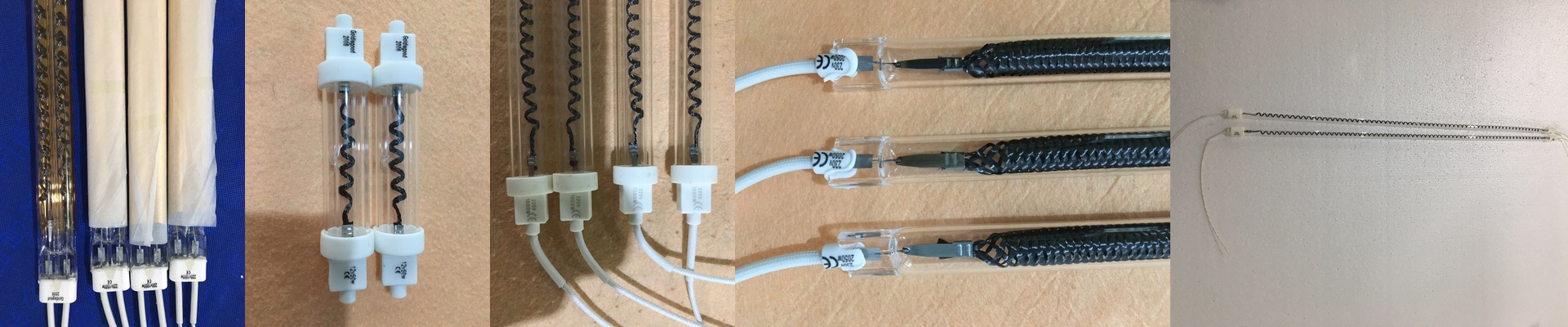
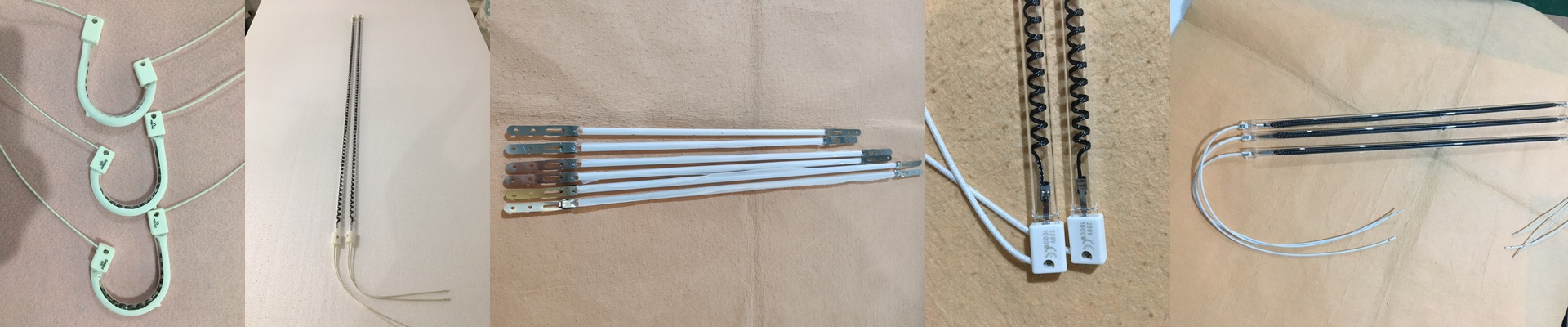
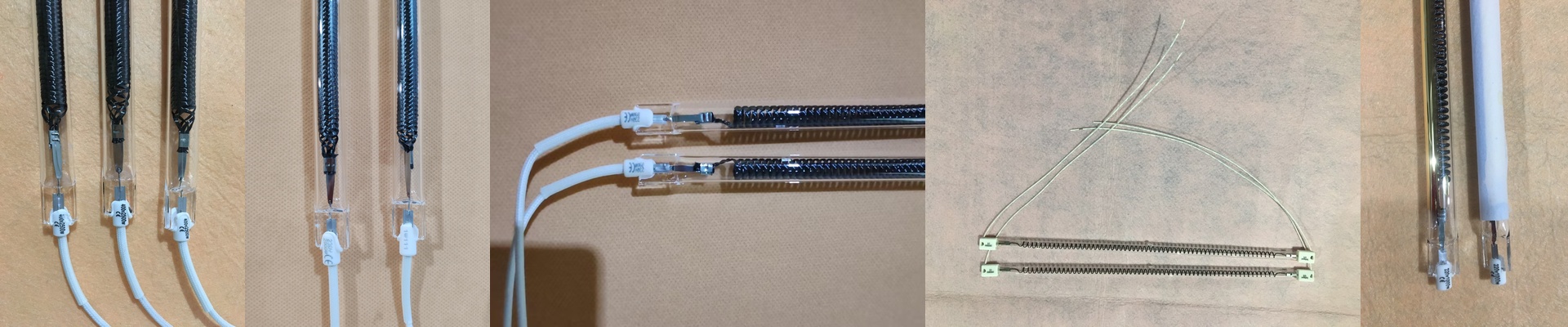
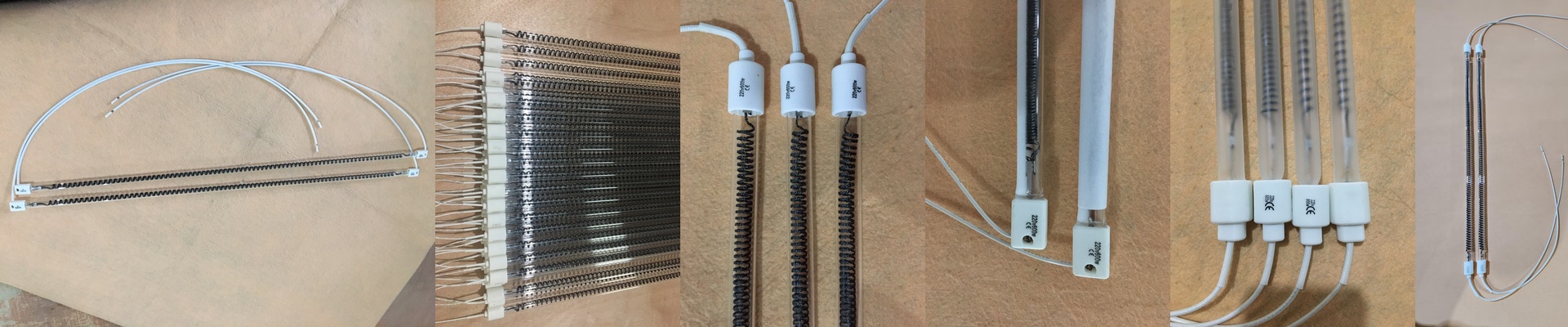
We built this carbon fiber quartz heater for one reason: to get serious heat, fast, and put it exactly where you need it. Think of it as a shortwave infrared powerhouse. Instead of the usual resistance wire, it uses a carbon fiber filament tucked inside a sealed quartz tube. The payoff? It fires up in seconds and delivers a concentrated blast of energy. This isn’t your average space heater. It’s a specialized tool, built for engineers who need precise temperature control in a tight spot.
The Power Behind the Punch
Let’s get into the numbers, because they tell the story. These units run at400V, not the standard 230V. That’s how we pack so much power into such a small package. You can choose between2500Wand3000W, depending on what your process is asking for. Size matters, too. A300mmtube length is a common setup. It gives you the right amount of emitting surface while still fitting into cramped machine spaces. Just know this: that power density comes with a trade-off. It gets hot. So your machine’s cooling and thermal management need to be ready for the extra heat in the air.
Built to Take the Heat
Every material choice here was about surviving under pressure. Thequartztube is there because it laughs in the face of thermal shock. You can go from room temperature to full blast, over and over, and it won’t crack. Inside, thecarbon fiberfilament is rock-solid. It stays electrically stable and has a long life, avoiding the burnout you see with thinner wire elements. And for the connection? We use theR7sconnector. It’s the industry standard for a reason. It’s secure, rated for high temps, easy to wire, and holds steady even when the machine is vibrating like crazy.
Where It Shines (and Why It Matters)
This heater really comes alive in tough industrial jobs, like**PET blowing**and other plastic processing. The shortwave infrared cuts right through the material surface, heating it from the inside out. The result? Faster cycles and more even heating than old contact methods. For your engineers, that means a straightforward drop-in replacement. You get the heat profile you need without overhauling the whole machine. And it’s tough enough to handle the daily grind on the shop floor, without losing its consistency.