Carbon Fiber Heating Tube: The Industrial Heat You Can Actually Count On
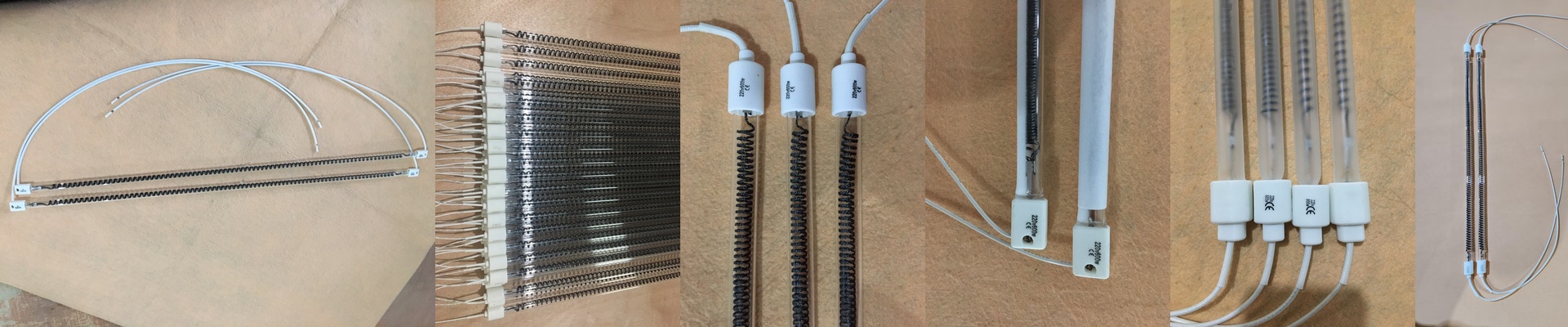
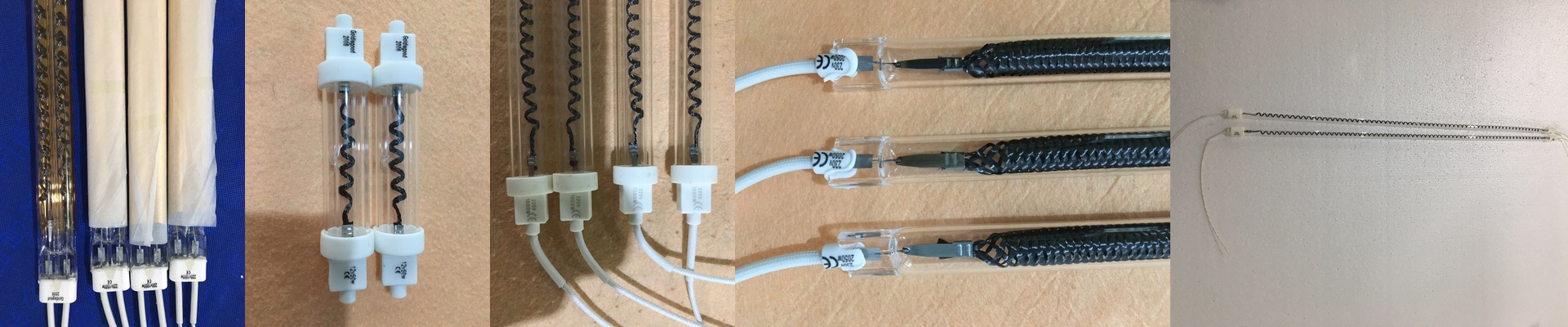
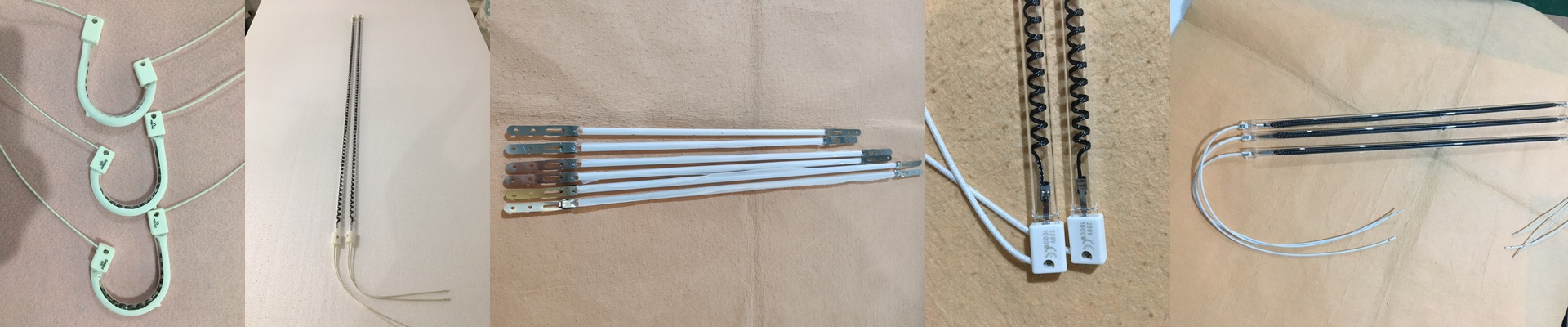
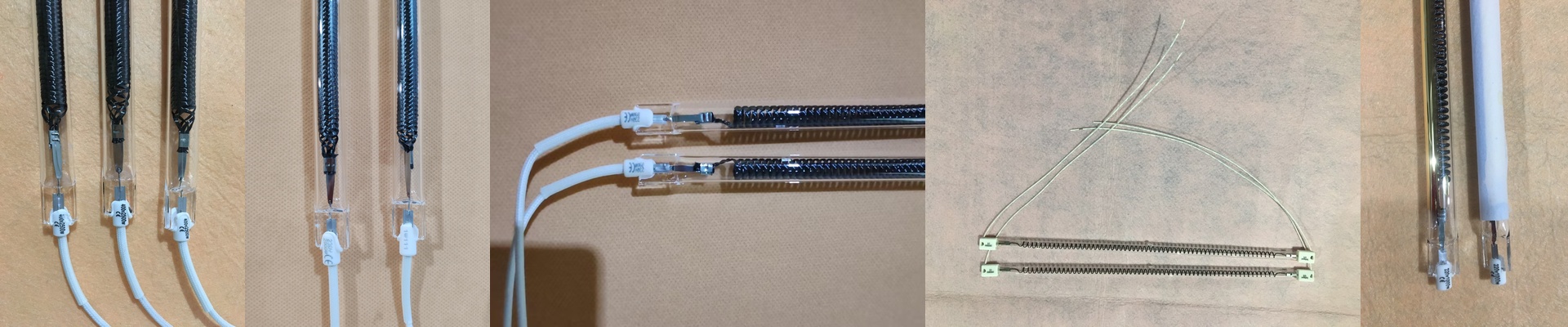
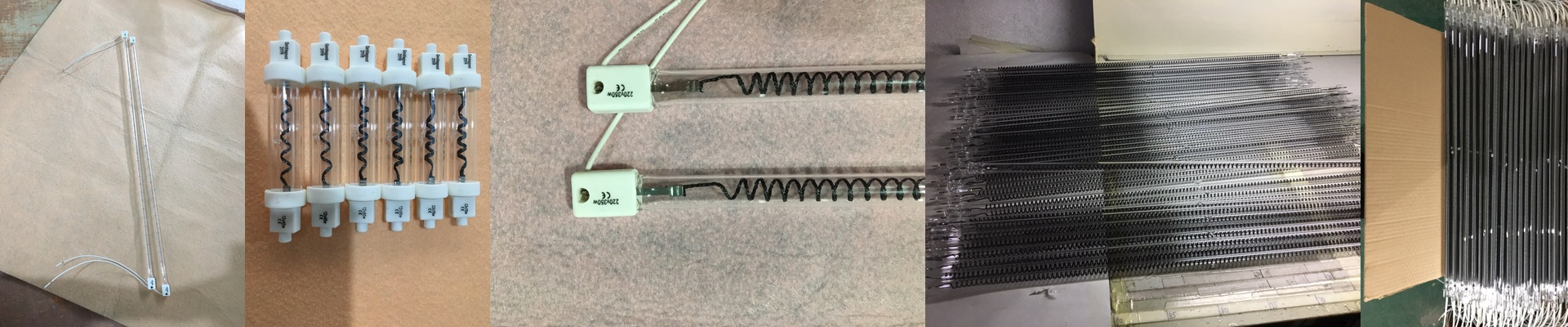
We built this carbon fiber heating tube for one simple reason: to give you infrared heat that’s intense, controllable, and ready when you are. It’s a quartz-based halogen lamp, packed into a small footprint, designed for the jobs where standard heaters just don’t cut it. Think of it as focused power for the moments you need a rapid response and energy that stays on target.
The Specs, Straight Talk
These tubes run at 400V, usually at 2500W, in a 300mm length. Why 400V? Because most industrial plants already have high-voltage circuits. That means lower current draw, so your wiring stays manageable. On a crowded machine, that space savings is a real relief. And that 2500W packed into 300mm? It concentrates the heat. The watt density is high, so the temperature climbs fast. That speed is exactly what makes this tube a fit for processes that can’t wait around. But here’s the catch: with that kind of power comes heat. You’ve got to plan for it. Make sure the surrounding equipment can handle the load, or you’ll risk overheating nearby parts.
Built to Take the Heat
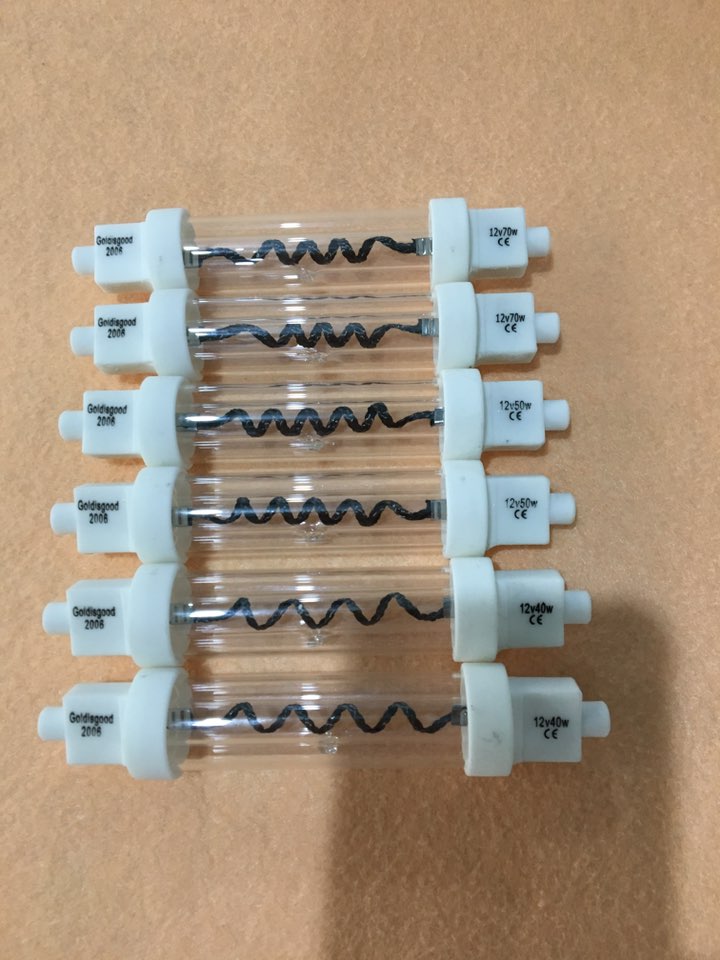
Inside the quartz envelope, the carbon fiber filament runs hot, and the halogen cycle keeps things stable by preventing blackening. The payoff is consistent output, day after day. The quartz tube itself can handle serious temperatures, and it gives you a clean, rigid shape that fits into tight spots without drama. We pair these tubes with R7s connectors. Practical choice. Solid contact, no extra adapters, and it makes replacement on the line straightforward. The design stays compact, and the install stays quick.
Where It Shines in the Real World
This setup really earns its keep on tasks like PET blowing, where you need localized, fast heating of preforms. The focused infrared heat gets the material up to temperature fast, which helps keep cycle times tight. It’s also a strong fit for plastic welding, sealing, and curing. In those jobs, precise temperature control and a quick response mean fewer scrapped parts. Out in the field, the combination of high voltage, compact size, and halogen stability gives you performance you can rely on. It wires up clean, runs hard, and holds its output steady. Just remember the reality of that power density: plan your cooling and mounting to match the thermal load.