Introduction
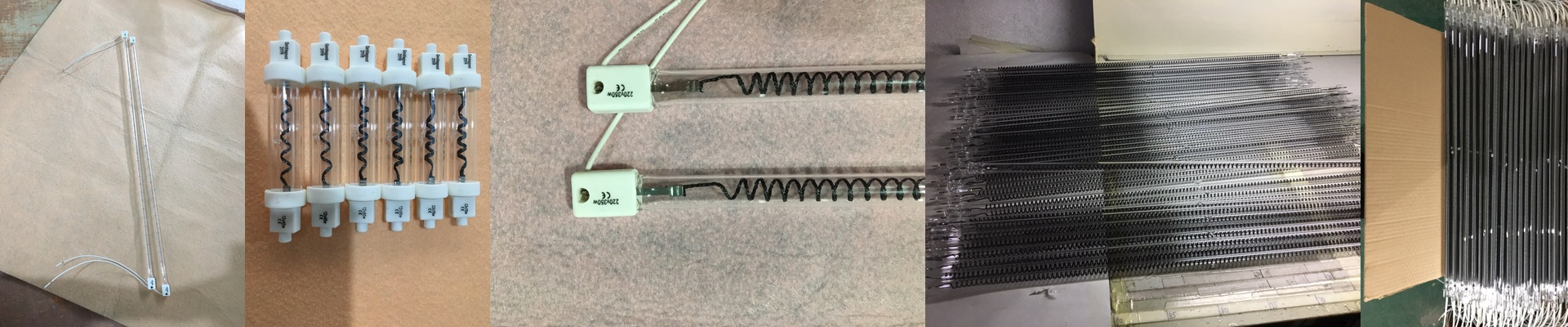
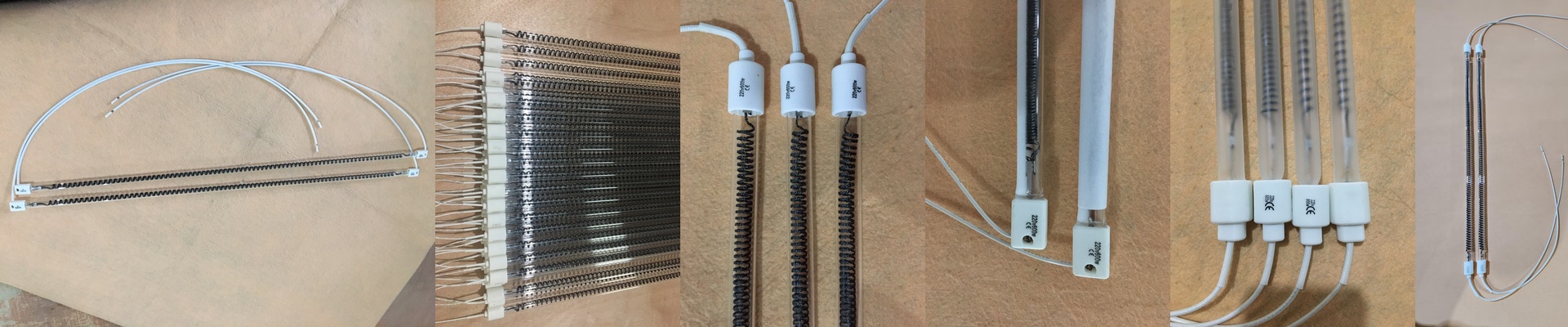
We built these carbon heat lamps for one simple reason: to give you raw, controllable heat in a seriously compact package. Forget the standard halogen bulbs. Inside these lamps, a carbon filament sits snug in a quartz sleeve. That design pushes the heat spectrum toward longer wavelengths, which means it blasts through materials faster and warms surfaces evenly. What does that look like for you? Shorter cycle times on plastics. Quicker drying on coatings. And way less wasted energy heating up the air around your machine.
The Power Behind the Heat: Voltage, Wattage, and Size
It all comes down to power density. A typical unit packs 2500W of heat, powered by a 400V supply. That high voltage is the secret to squeezing so much wattage into a short length—often just 300mm. So you can fit serious heat into tight spots. The physics are pretty straightforward: power is voltage squared, divided by resistance. Running at 400V gives us the headroom to hit high wattage without pushing the current so hard that your wiring and connections start to overheat. That’s why the wattage-to-length ratio matters. A 300mm tube at 2500W throws off enough heat for demanding jobs like PET blowing or thermoforming. But here’s the catch. These lamps run hot. Seriously hot. So the fixture and reflector around it have to be built to handle that heat. If your machine’s cooling isn’t up to the task, the lamp will cook itself, and its lifespan will plummet.
What’s Inside: The Filament, the Quartz, and the Connections
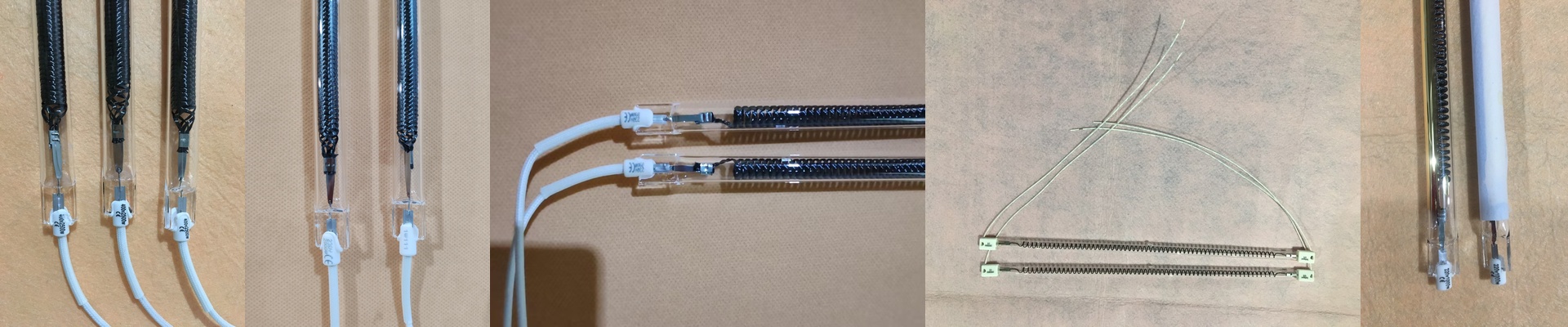
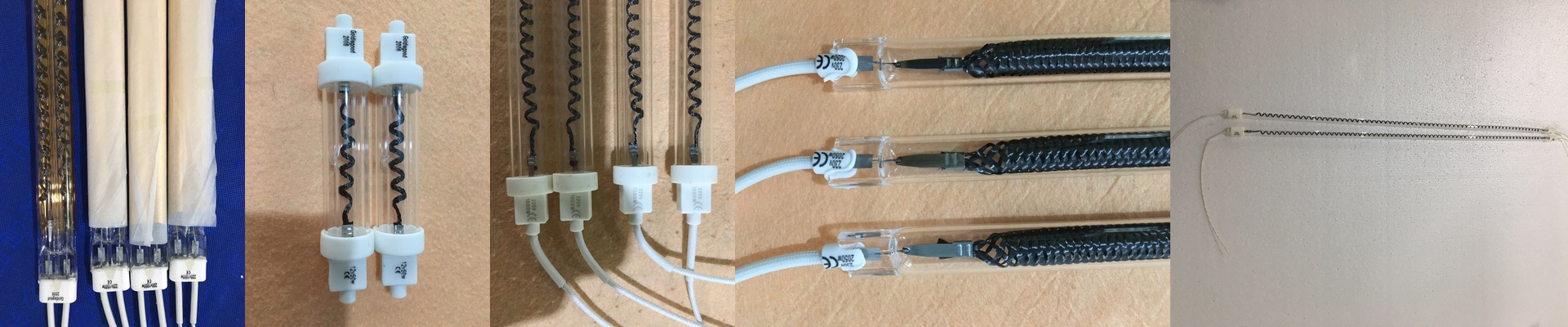
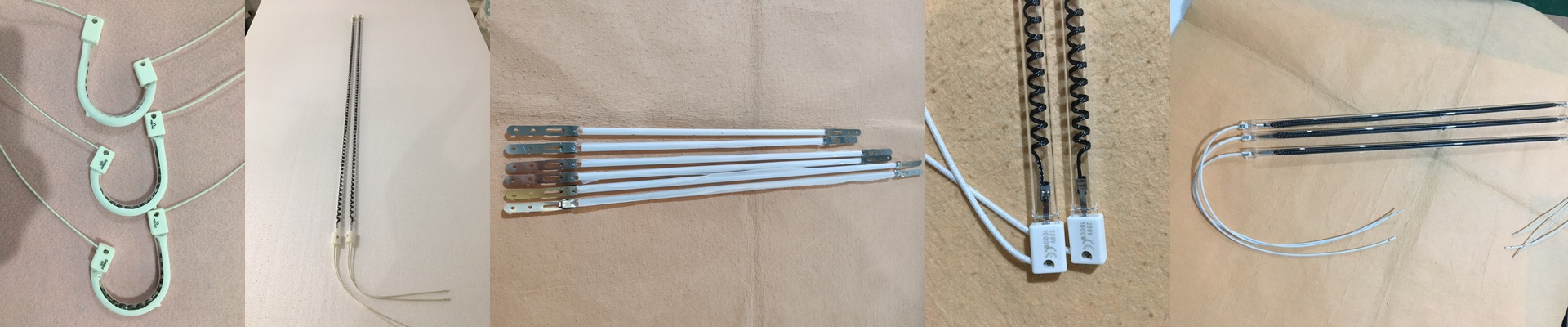
At the heart of the lamp is the carbon filament. It handles high current without breaking down, and it keeps a stable resistance over time. We house it in quartz because it can take the shock of rapid on-off cycles and stays clear even when the heat is on. Often, the quartz envelope is coated or treated to fine-tune the heat spectrum, pushing the energy into the shortwave or near-infrared bands. That’s where plastics and coatings absorb heat most efficiently. And the connections? They matter. This isn’t a delicate part. You’ll typically see R7s and Sk15 fittings. These are tough, two-contact designs built for high current and high heat. They hold their alignment, prevent hot spots, and let you wire the lamp in series or parallel without a bunch of adapters. They also keep the lamp locked in place inside reflectors and ceramic holders. So it won’t rattle around from vibration and risk cracking the quartz.
Where It Works: Real Solutions for Real Problems
In the real world, these lamps shine when you need fast, focused heat. On PET blowing lines, they heat the parison quickly and evenly. That means better wall thickness and less scrap. For drying and curing, they drive off solvents without scorching the material underneath, because the energy is tuned to what the coating actually absorbs. And in thermoforming, they bring sheets up to temperature fast, keeping your line moving. The practical wins are everywhere. The 300mm length gives you layout flexibility. The 400V/2500W rating gives you serious power without overloading your control circuits. And the R7s or Sk15 fittings make installation a simple, drop-in job. Just keep this in mind: this is a high-temperature device. Treat it like part of a system. Match the reflector, holder, and cooling to the lamp’s output. When you do, you get reliable heat, predictable cycles, and fewer late-night breakdowns.