Introduction
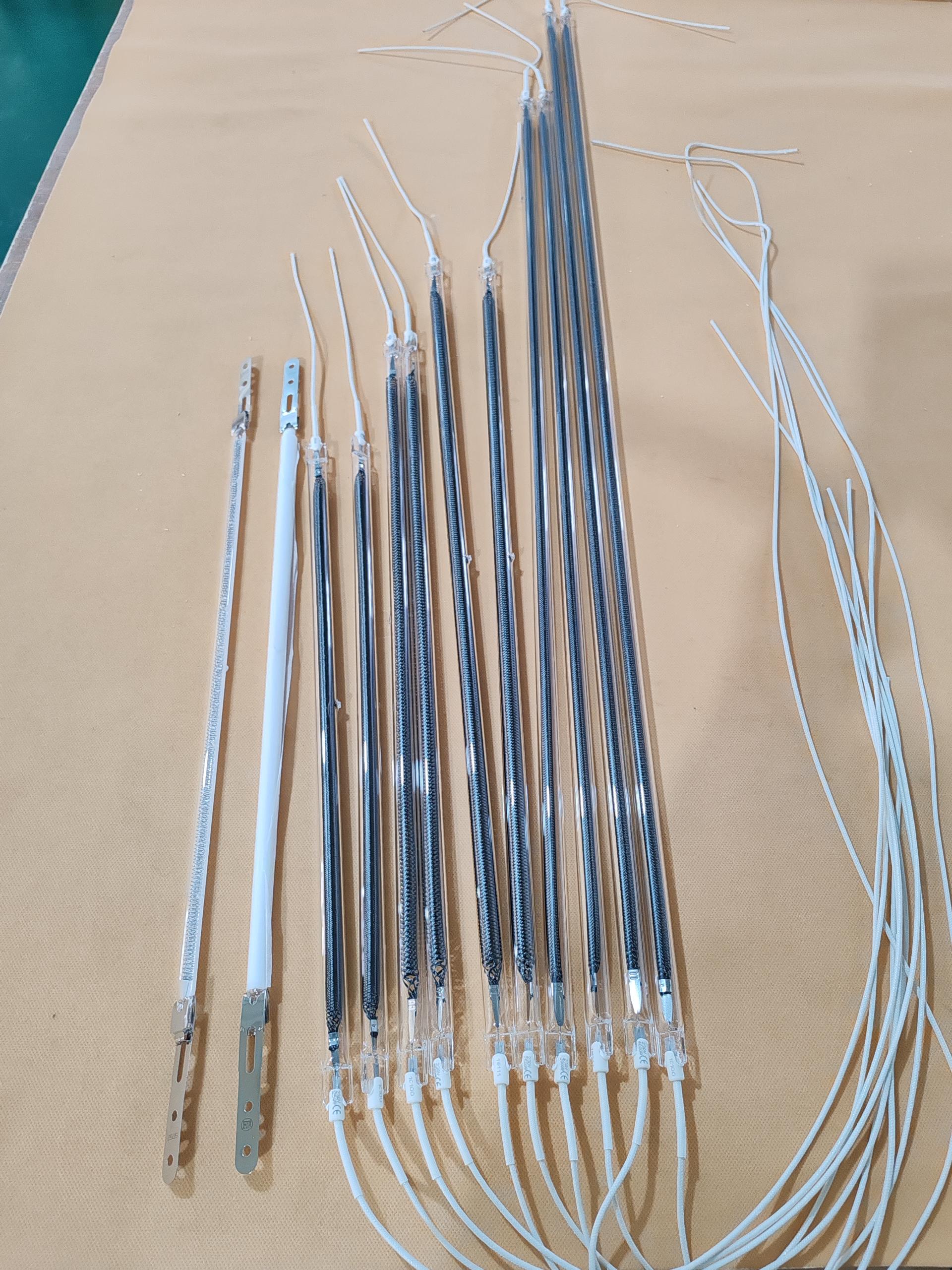
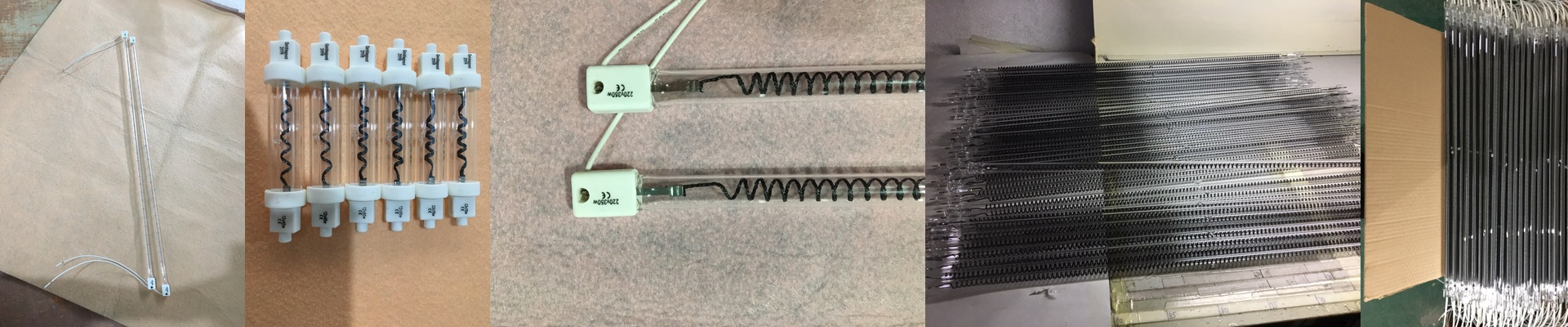
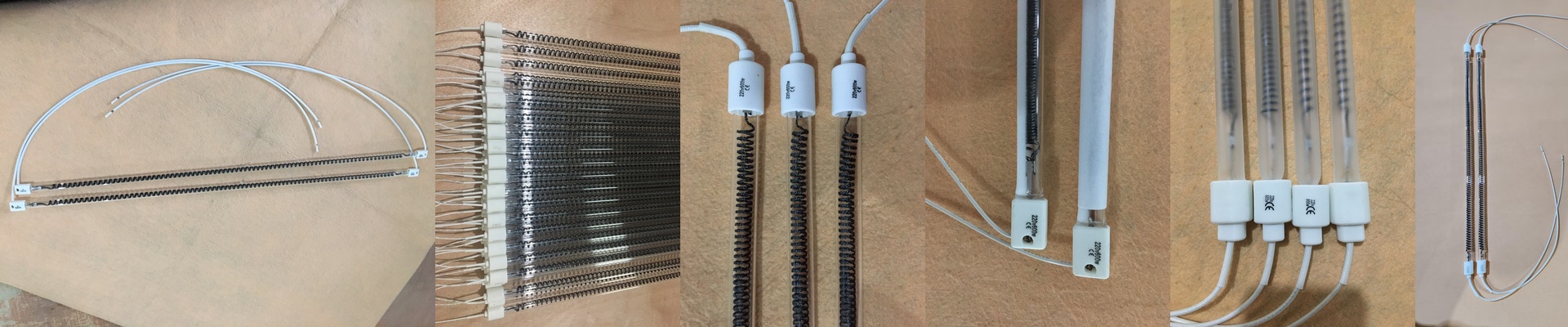
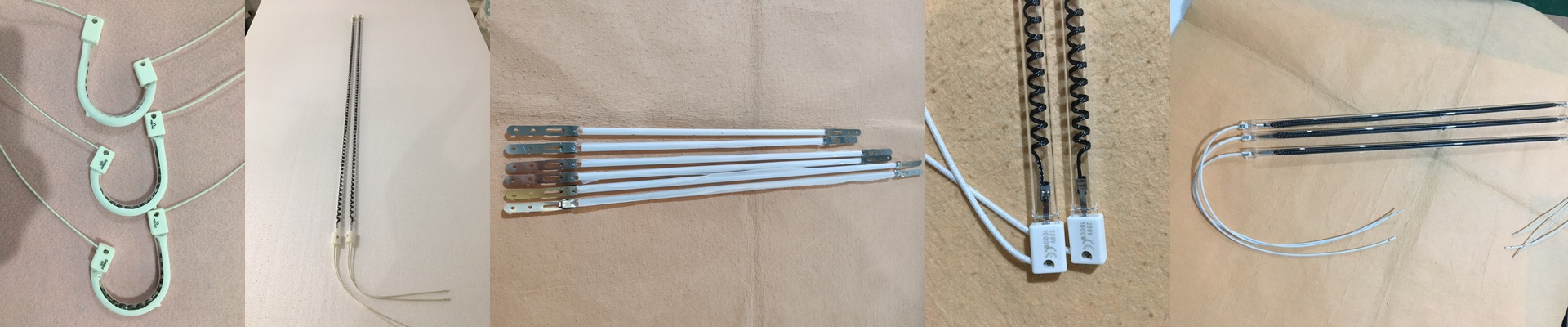
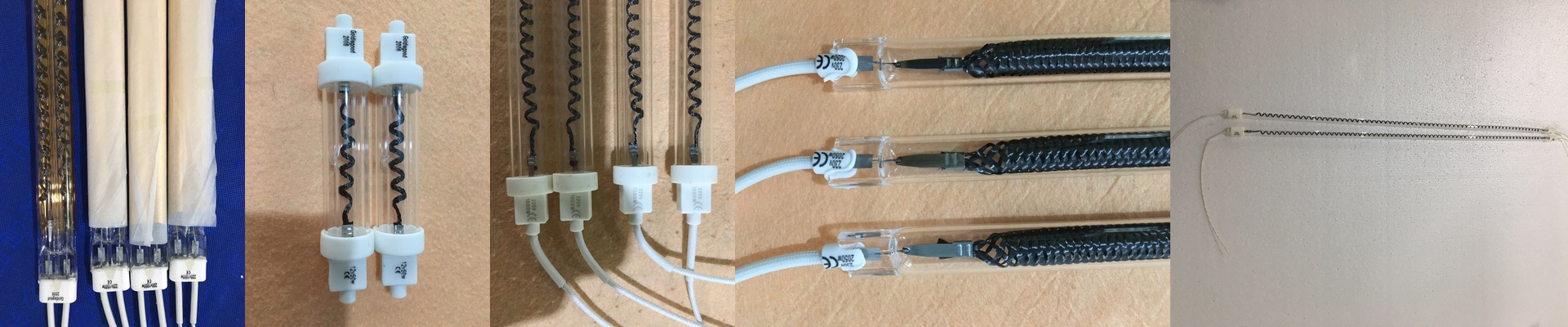
We built the 220V 2000W medium wave carbon fiber infrared heating lamp as a direct-replacement heat source for industrial processes that need fast response, stable output, and a compact footprint. It is designed for engineers who need predictable heating performance without over-engineering the machine around the lamp.
Technical Deep-Dive: Power, Voltage, and Thermal Output
The 220V 2000W rating is not arbitrary. It is a deliberate balance between available mains supply, conductor sizing, and the heat density required for industrial throughput. At 2000W, the lamp produces high irradiance in a focused zone, which lets you heat targets quickly without spreading energy across a large area. The 220V supply simplifies wiring on standard equipment. You do not need step-up transformers or special high-voltage insulation just to run the lamp. That keeps control panels smaller and reduces panel heat load. Medium wave operation sits between shortwave and longwave. Shortwave heats fast but can overshoot on thin or sensitive materials. Longwave is gentler but slower. Medium wave gives us a thermal response that heats quickly while still allowing reasonable temperature control. The trade-off is real: 2000W concentrated into a small zone means the surrounding components—reflectors, fixtures, and the target itself—must tolerate higher temperatures. You need proper heat shielding and airflow or conduction paths to keep nearby parts from drifting out of spec.
Material and Design: Carbon Fiber Filament and Infrared Emission
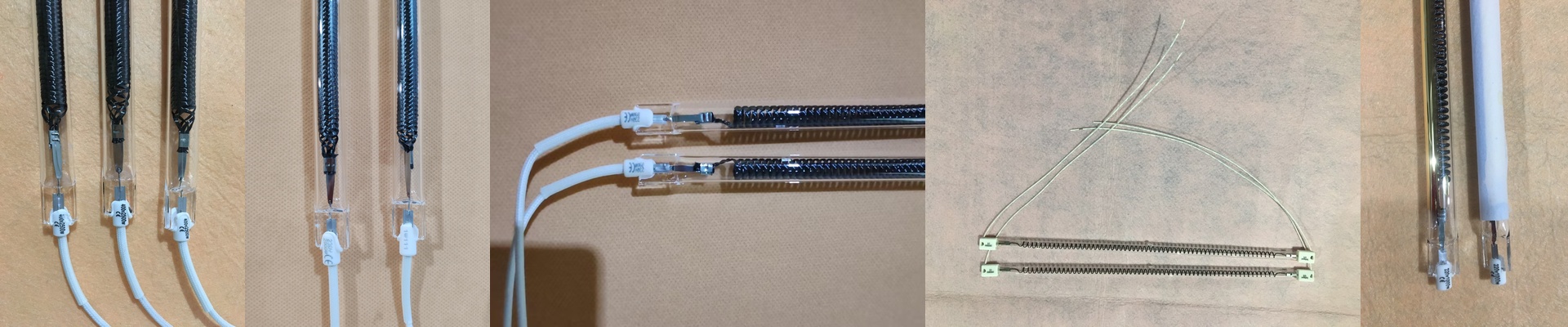
The core of this lamp is the carbon fiber filament. Compared with traditional coiled wire elements, carbon fiber provides uniform resistance along the length and consistent thermal expansion behavior. That helps the lamp start up predictably and run without hot spots that shorten life. Carbon fiber also maintains mechanical integrity under repeated thermal cycling. In production environments where equipment powers up and down, that reliability matters. The lamp is engineered for infrared emission. The filament operates within a temperature band optimized for medium wave infrared output, which transfers energy efficiently into the target material. Infrared heating is line-of-sight, so we design the lamp geometry to match the target geometry—so the heat lands where it is needed. The quartz envelope supports the filament and keeps the internal environment stable. It resists thermal shock, which is critical when the lamp cycles quickly.
Application and Benefits: Fast Response, Controlled Heat, Easy Installation
This lamp is used where engineers need rapid, repeatable heating in a tight footprint. Typical applications include plastic processing—such as preheating parisons or heating sheet prior to forming—coating curing, adhesive activation, and component drying. The fast thermal response of the carbon fiber element shortens warm-up time. That translates to reduced idle time and more consistent cycle times on automated equipment. The medium wave output profile helps prevent surface scorching while still delivering energy into the material thickness. Installation is straightforward. The lamp is designed to drop into standard fixtures, and the 220V 2000W specification aligns with common industrial power distribution. You wire it up, set the aim, and the heat profile remains stable. The practical benefit is controllability. You can tune power delivery with standard controls and get repeatable results shift after shift. The reality on the shop floor: high heat density demands proper mounting. Use heat-resistant sockets, keep reflectors clean, and manage airflow so the lamp runs within its thermal envelope. When you do that, the lamp delivers consistent infrared heat with minimal maintenance.