Brake Lining Curing with Infrared: How We Stop Cracks with Precise Halogen Lamp Control
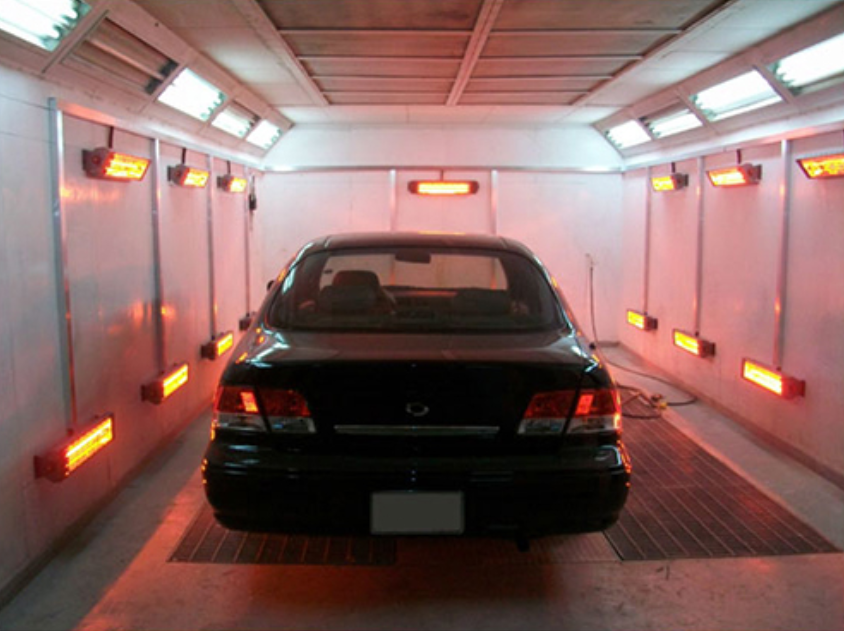
We built this lamp for the brake pad shop floor, plain and simple. Out there, the curing oven has to get hot—fast—and then hold that temperature like a rock. Because when the heat profile wanders, the friction material bakes unevenly. You end up with micro-cracks and porosity. And that’s not a “maybe.” That’s a whole batch headed for the scrap pile. So we engineered a shortwave infrared halogen lamp that keeps thermal control tight. The result? A resin cure that’s uniform from the first layer to the last.
Power, voltage, and fit: matching the heat to your oven
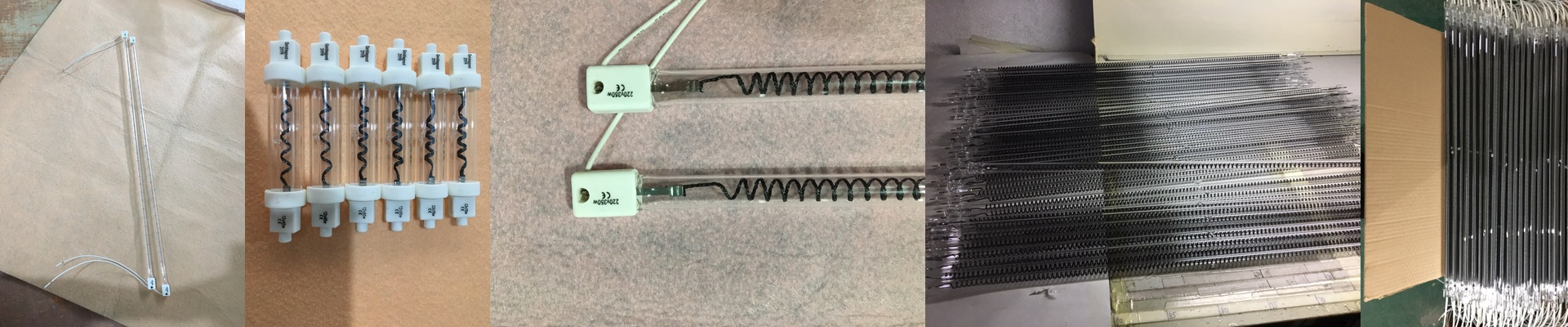
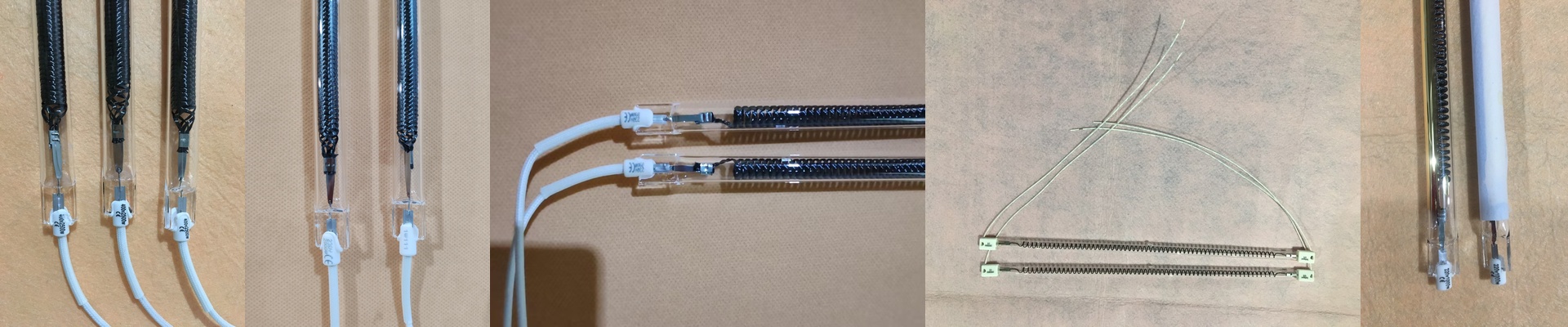
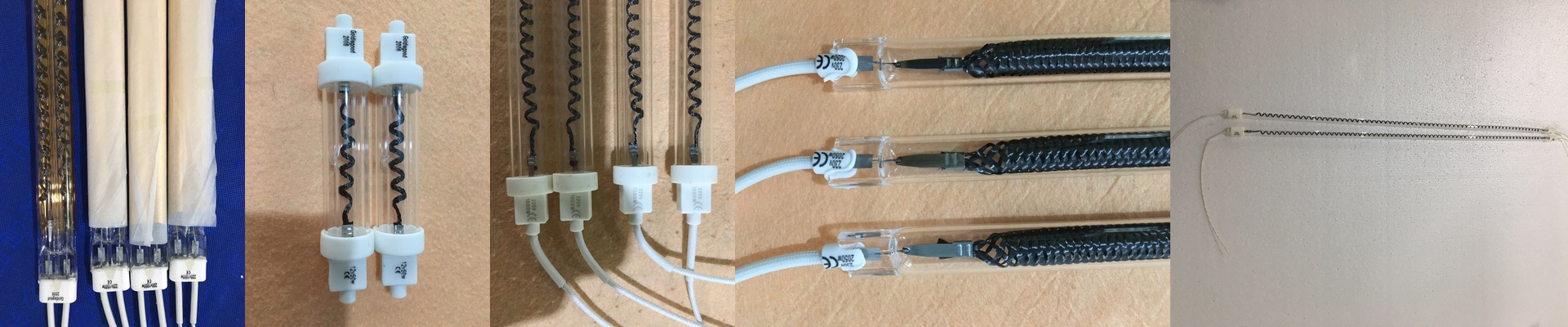
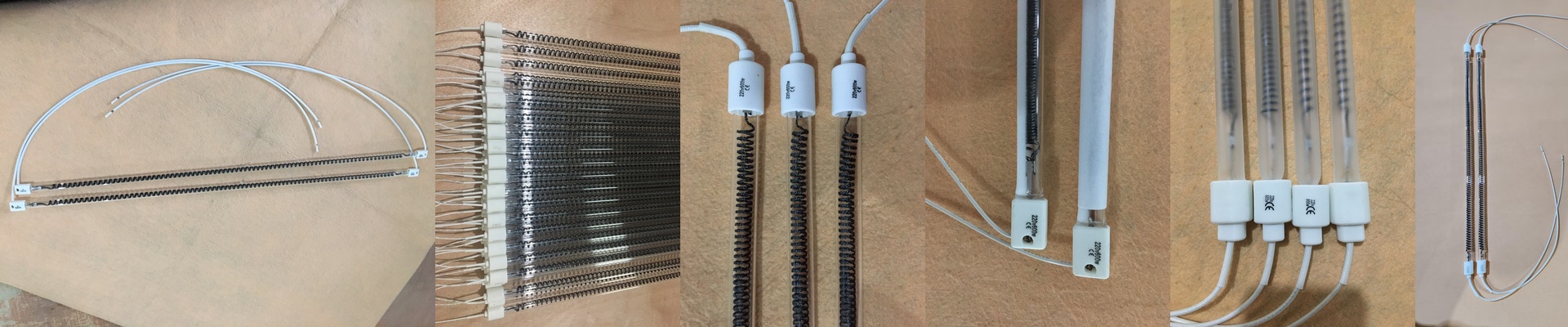
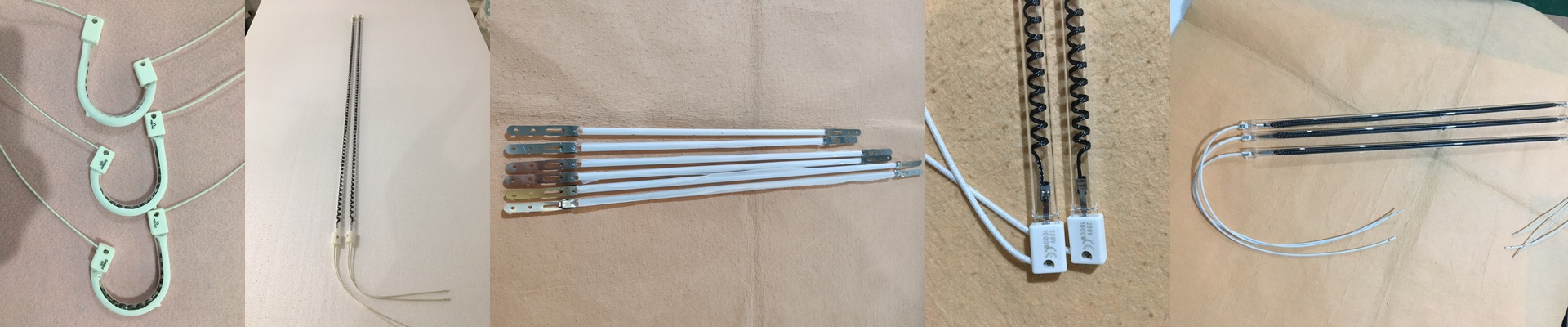
A brake lining curing lamp has to pack a lot of heat into a small space. We spec the unit at 400V, so it has the current it needs for rapid resistive heating without straining the wiring. The 2500W rating gives you the wattage to ramp the oven up quickly and recover fast after door cycles. And the 300mm tube length is chosen to fit standard curing chambers. That means you get a compact heat source you can position close to the part—without redesigning the whole oven. It’s fast. Really fast. But here’s the thing: that performance only works if the cooling around the lamp is properly sized. If airflow is too small, the tube runs hotter than intended, and the control loop ends up fighting to compensate.
Halogen, coating, and the R7s: why the small stuff matters
The halogen element gives you shortwave infrared that penetrates the brake lining surface and heats from within. That shrinks the gap between a hot skin and a cool core—the kind of difference that creates internal stress. The quartz envelope handles the thermal shock of rapid on/off cycles, and the reflective coating pushes more energy forward where you need it, instead of wasting it sideways. And the R7s connector? Not an afterthought. It gives you a stable, two-contact termination that can handle high current and repeated insertion. On the production floor, that translates to fewer hot-spot failures at the ends and less downtime spent re-seating lamps.
In practice: curing without cracks or porosity
When you’re curing brake linings, you’re chasing consistent polymer cross-linking. Infrared control lets you hold the resin window exactly. Too low, and the bond comes out weak. Too high, and the binder outgasses, leaving voids. With this lamp, the oven hits setpoint quickly, holds steady with minimal drift, and cures the stack evenly. You get a process you can repeat—fewer scrapped parts from thermal cracking and porosity. And the lamp drops right in as a direct replacement. Wire it up, set the controller, and run.