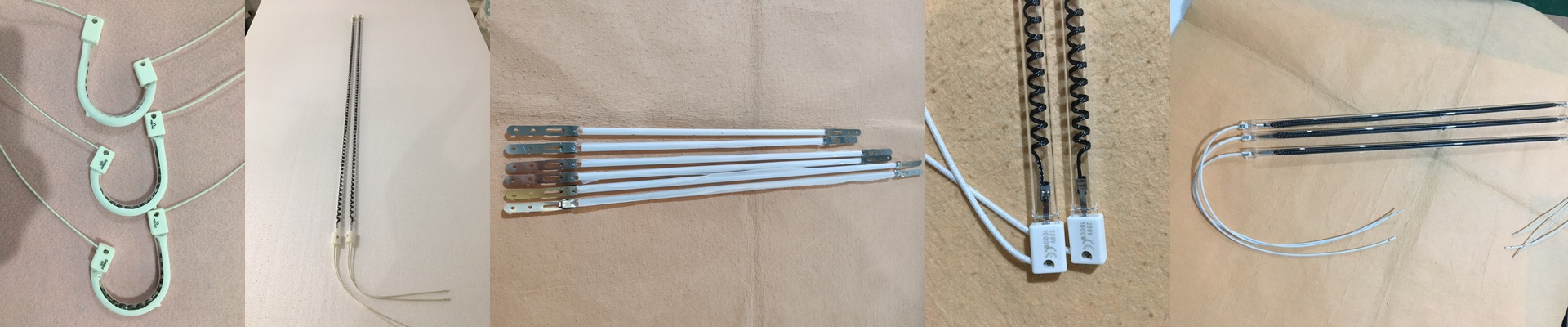
Getting Your IR Lamp Layout Right for Brake Pad Ovens
If you’ve ever worked with brake pad coatings, you know the struggle. You need the heat to be just right—enough to bond the friction material, but not so much that you scorch the whole thing. The real headache starts when you’re dealing with different vehicle models. One minute you’re running small pads, the next they’re huge. If your heating wall is just a fixed grid of lamps, you’re in trouble. You’ll end up with cold spots on the big pads or burnt edges on the small ones. It’s a frustrating cycle.
The Balancing Act: Heat and Space
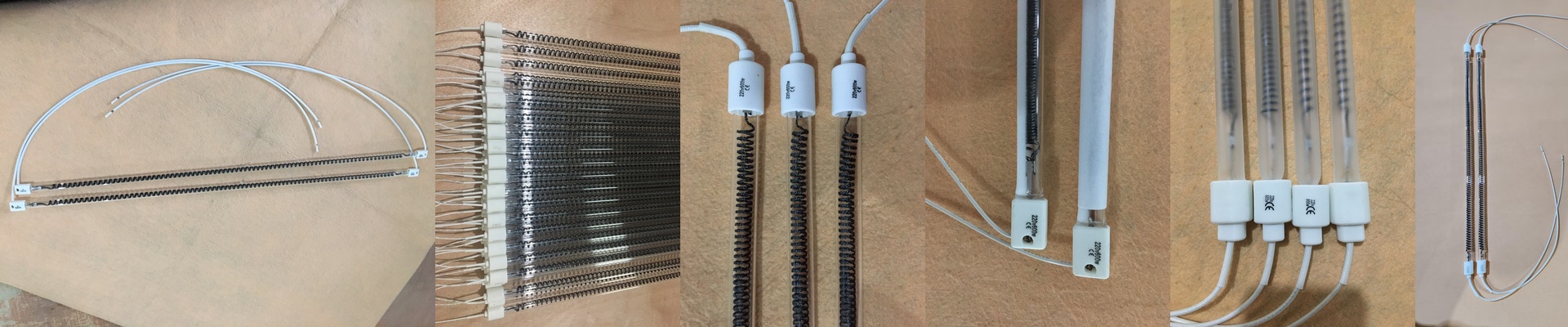
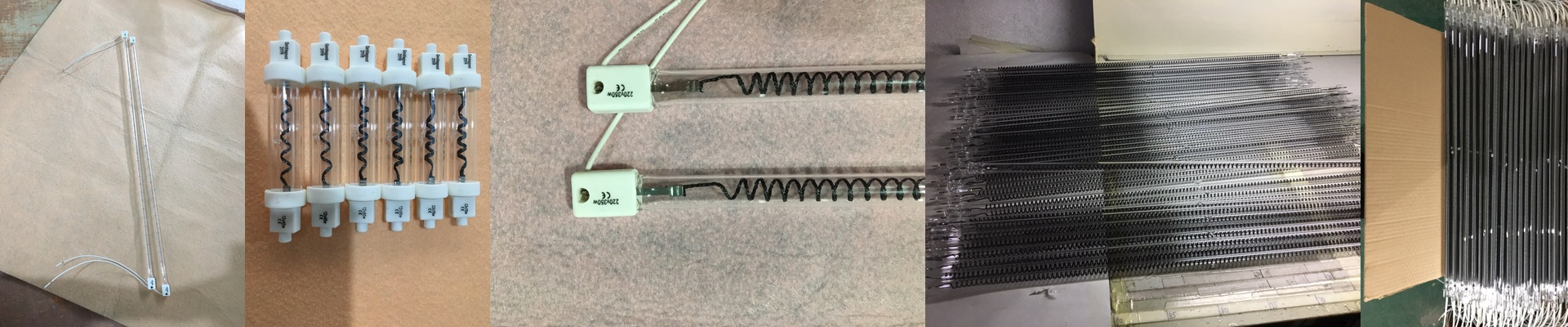
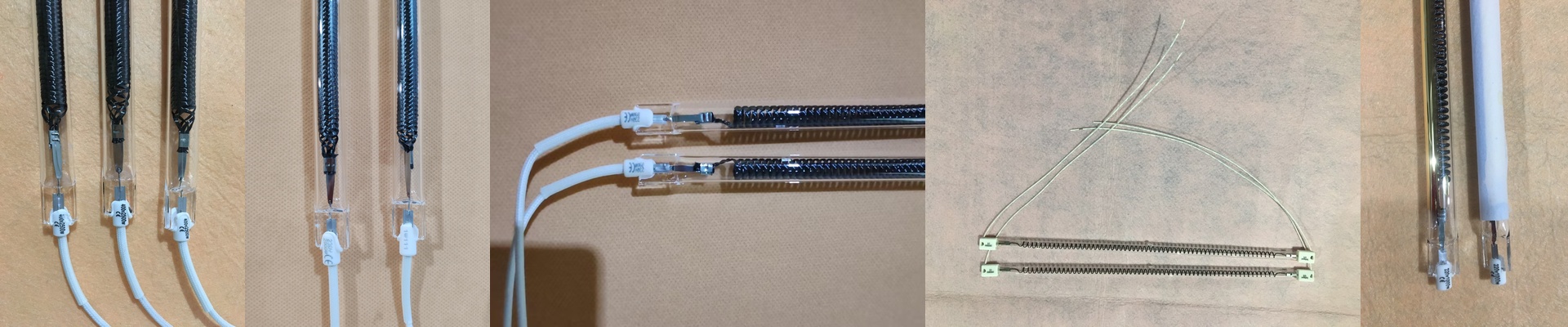
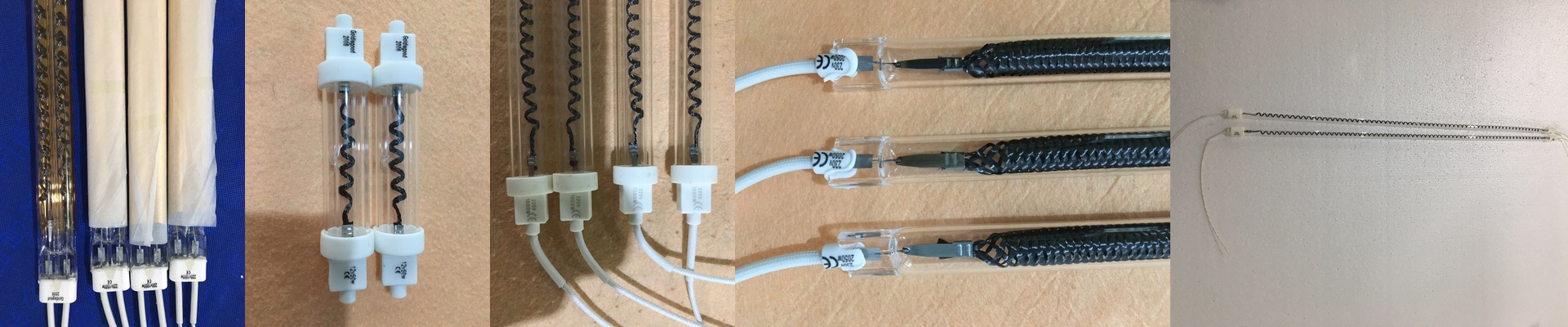
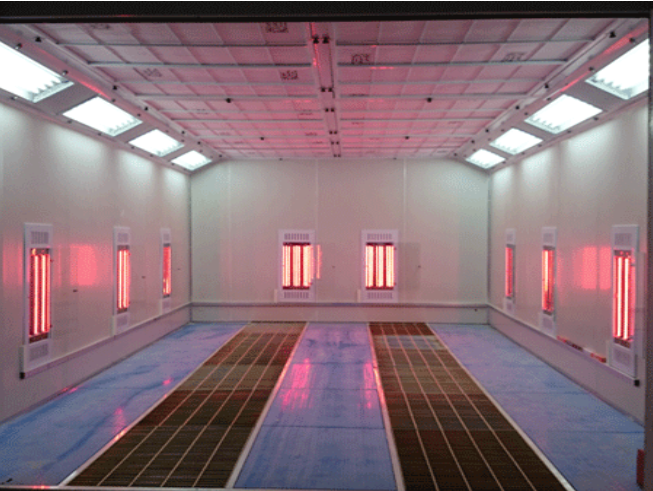
Here’s the thing about shortwave IR lamps: they hit hard and they hit fast. That’s great for getting the coating up to temp quickly, but it creates these intense “hot zones.” If you jam the lamps too close together, you’re going to burn the coating. But if you leave too much breathing room? The center of the pad stays under-cured. It’s a tightrope walk. We’ve found that the best way to handle this is by breaking the wall into separate banks. Instead of one big “on” switch, you have independently controlled zones. You can just toggle specific rows on or off depending on the height of the pads on the line. It just makes sense.
The Nitty-Gritty of the Build
It’s not just about where the lamps go, though. You have to think about the reflectors. We usually go with polished aluminum or stainless steel to push that energy forward. But there’s a catch. When you pack those lamps too tight, you mess with the reflection angle. You actually lose some efficiency. And don’t forget the wiring. These high-wattage tubes pull a lot of current. If your control panel isn’t beefy enough to handle the switching loads, you’ll be tripping breakers all day. Nobody wants that.
A Better Way to Do It on the Shop Floor
If you’re building this out, please, do yourself a favor: use a modular rail system. Welding fixed brackets is a nightmare because it locks you in. With rails, you can just slide the lamp holders up or down to tweak the heat after the oven is already installed. Plus, if your product line changes and you start running larger pads, you don’t have to rebuild the wall. You just shift the rails, rewire the zones, and you’re back in business. It’s way less stress.