
Getting Your Brake Pad Curing Right: It’s All About the Wavelength
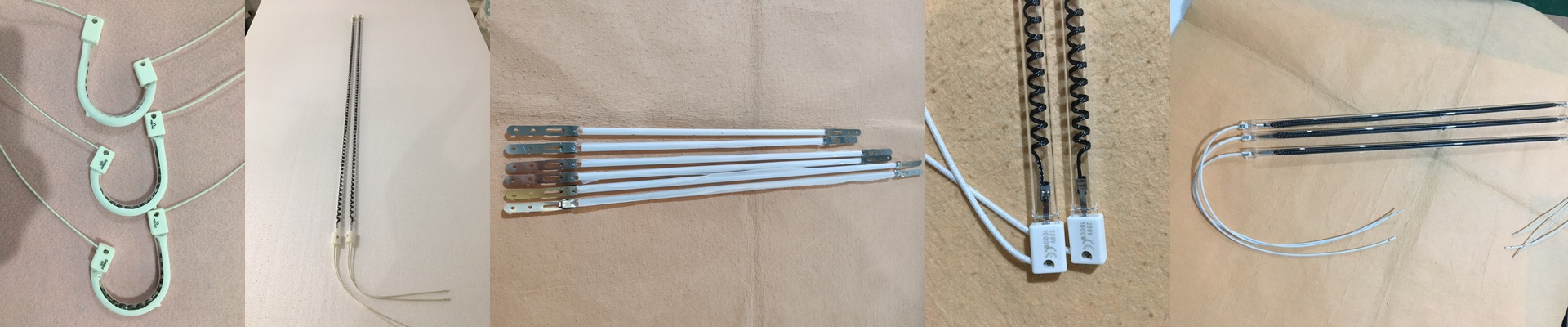
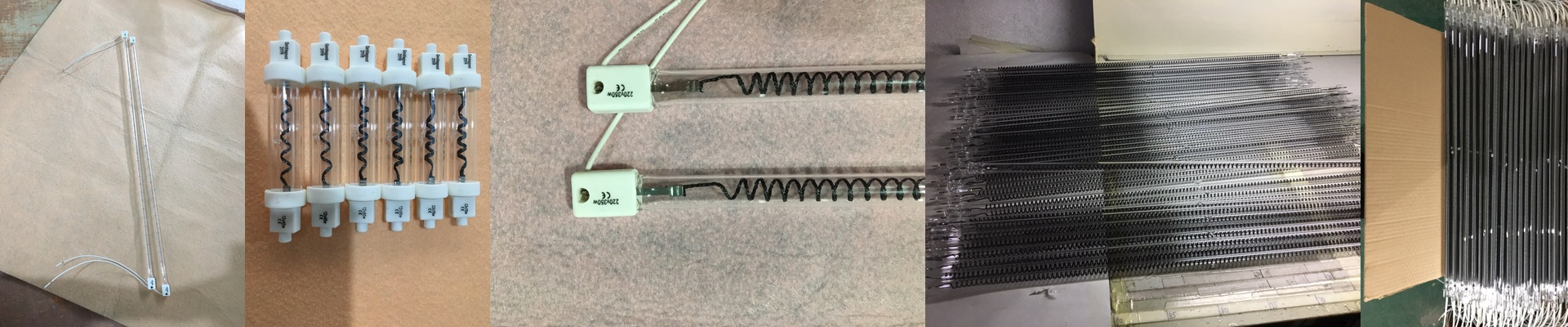
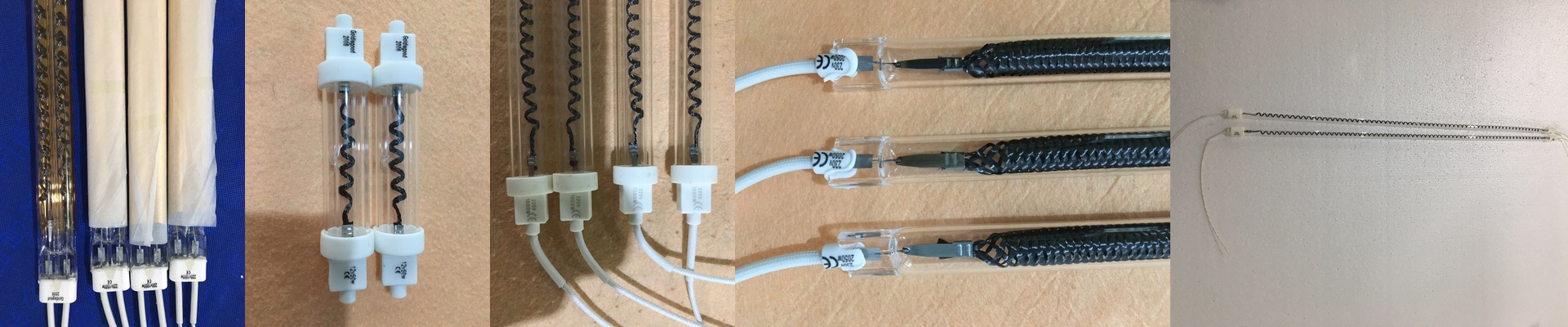
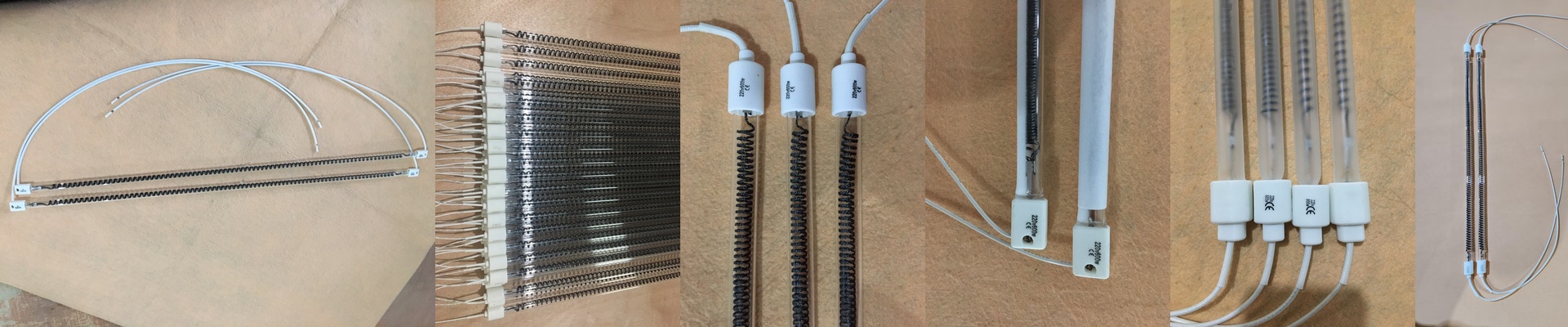
Here is the thing about brake pad coatings: you can’t just treat them all the same. You’re usually dealing with two completely different animals—ceramics and semi-metallics. They handle heat in totally different ways. If you just throw a generic IR lamp at the problem, you’re going to end up with ceramic pads that aren’t cured or semi-metallic binders that are basically scorched. The wavelength struggle Ceramic pads are tricky because they tend to bounce short-wave energy right back at you. To fix that, we tweak the emitter’s output. By shifting toward medium-wave IR, the heat actually sinks into the surface instead of just glancing off. Semi-metallics are the opposite. Because they’re packed with copper or steel fibers, they soak up heat fast. Too much power in one spot and you get “hot spots.” That’s how you end up with coatings that peel or, even worse, a warped substrate. More than just a lightbulb We don’t just toss a lamp in a box and call it a day. We look at your line speed first. If you need a fast-cure line, you need the punch of high-wattage short-wave lamps. But there’s a catch. Those things get hot. Really hot. If your cooling system isn’t built to handle that ambient heat, your lamps are going to burn out way sooner than they should. The balancing act It’s tempting to just crank up the intensity to speed things up. But you can’t just push it to the limit. If you blast a semi-metallic pad with too much energy too quickly, you’ll cure the “skin” before the solvents inside can escape. The result? Blisters. It’s a pain to fix. You have to find that sweet spot between how fast you ramp up the heat and the total soak time. Whether you need coated quartz or halogen, we help you pick the emitter that actually matches your material’s absorption curve. Because if you get the wavelength wrong, you’re basically just paying a huge electric bill to heat up the air in your factory.