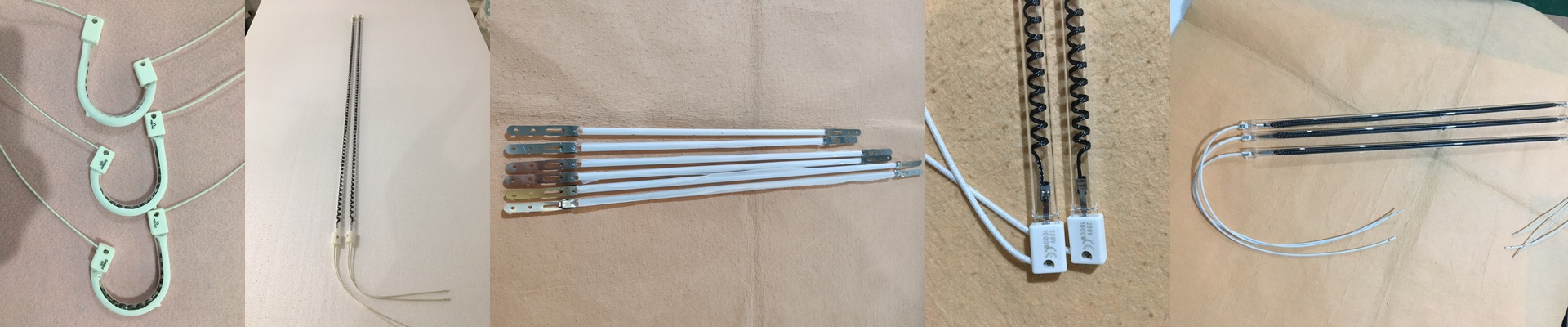
Let’s Talk About Carbon Fiber Ceramic Heaters
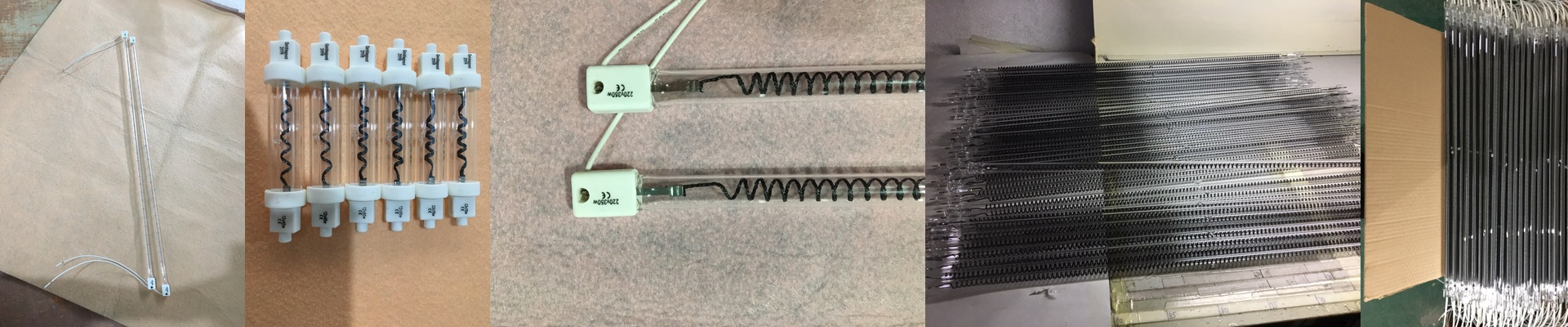
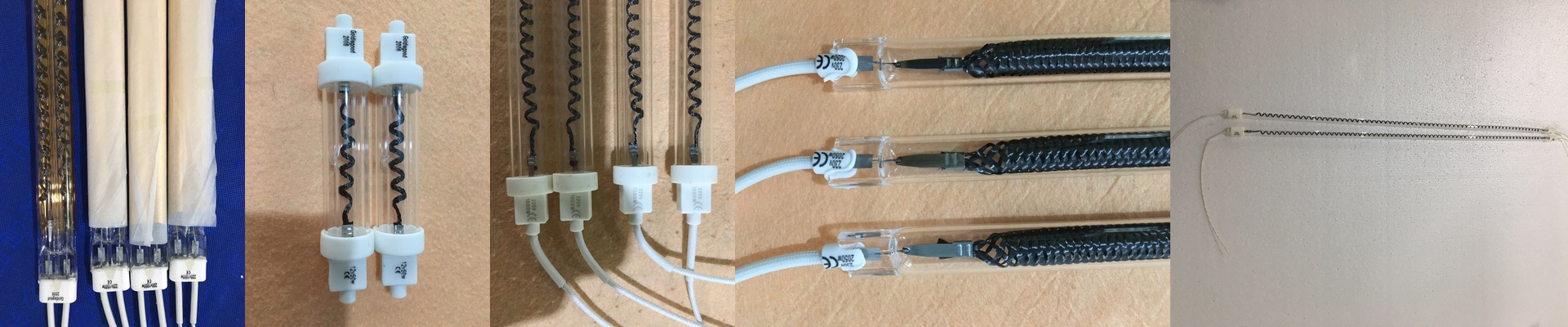
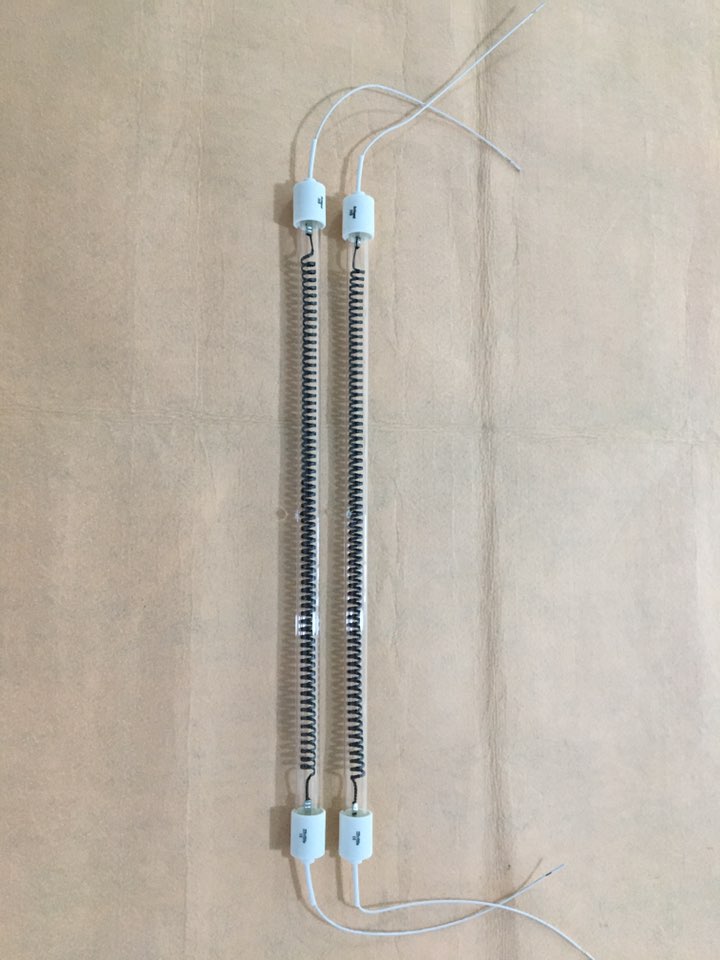
Here is how we actually make these things: we take carbon fiber filaments and bake them right into a high-purity ceramic matrix. The result? The heat shifts into that medium-to-long wave spectrum. But the real win here is that carbon fiber doesn’t oxidize when things get hot. Unlike those old-school metal coils that eventually just give up and burn out, these can handle the constant heat-up and cool-down cycle without breaking a sweat.
Getting the Heat Right
The ceramic body does double duty—it holds everything together and pushes the heat out. We’ve tuned these for high power density, so you aren’t sitting around waiting for the machine to warm up. It’s fast. And because carbon fiber doesn’t stretch or shrink much when the temperature jumps, you don’t have to worry about the element cracking the second you flip the switch. You get a nice, steady heat profile from one end to the other. One quick warning, though.Don’t try to cheat the system. If you have a low-wattage element and you try to “over-drive” it just to hit your target temperature a few seconds faster, you’re going to fry those filaments. Match your power supply to the specs, or you’ll be replacing the unit way sooner than you should.
The Practical Stuff
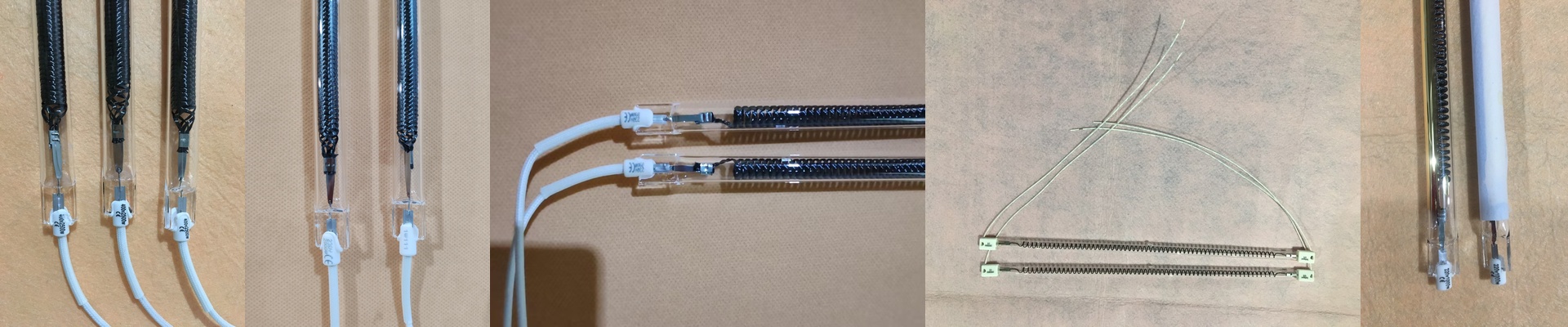
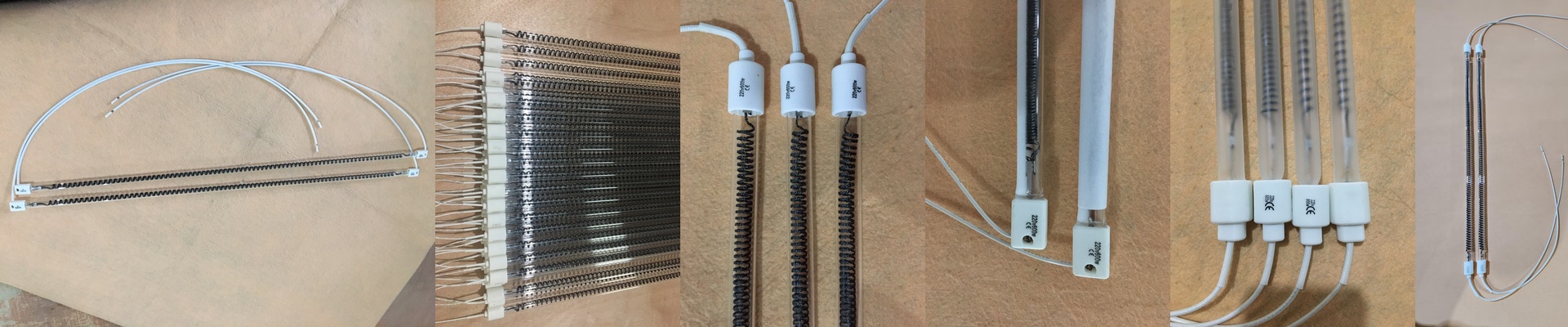
The ceramic housing is basically a suit of armor. It keeps the filaments safe from chemicals and physical knocks. We usually suggest these for the messy environments where metal sheath heaters would just rust away or corrode. Another cool part? The heat is directional. You can point it exactly where you need it on your workpiece instead of wasting energy heating up the entire machine frame. When you’re wiring these in,be careful. Loose terminals are a nightmare—they create hotspots that can literally crack the ceramic end-caps. Also, do yourself a favor and use high-temp rated leads. Nobody wants to deal with melted insulation near the connection points.
The Trade-offs
Look, these are way more efficient at converting energy than traditional resistive heaters. But they have a weakness: they’re brittle. If your shop has a lot of heavy vibration or things tend to get bumped into, you’ll want to build a protective cage. One direct hit and the ceramic will shatter. Also, give your mounting brackets a little breathing room. The material needs space to expand slightly as it heats up, otherwise, you’re looking at stress fractures.