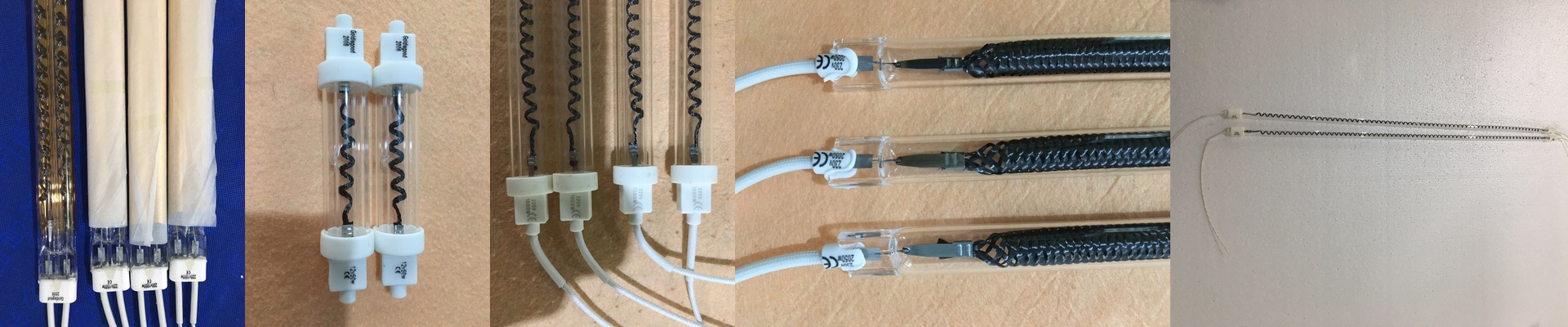
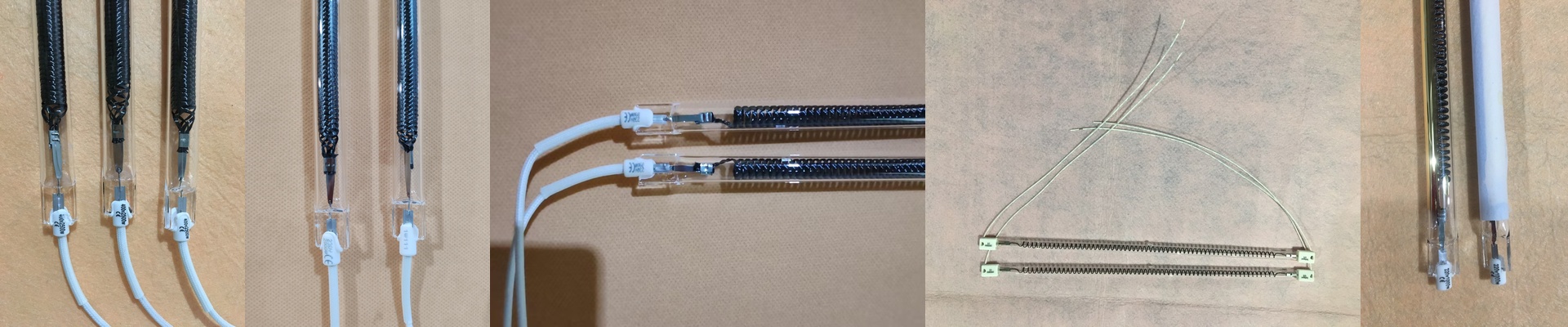
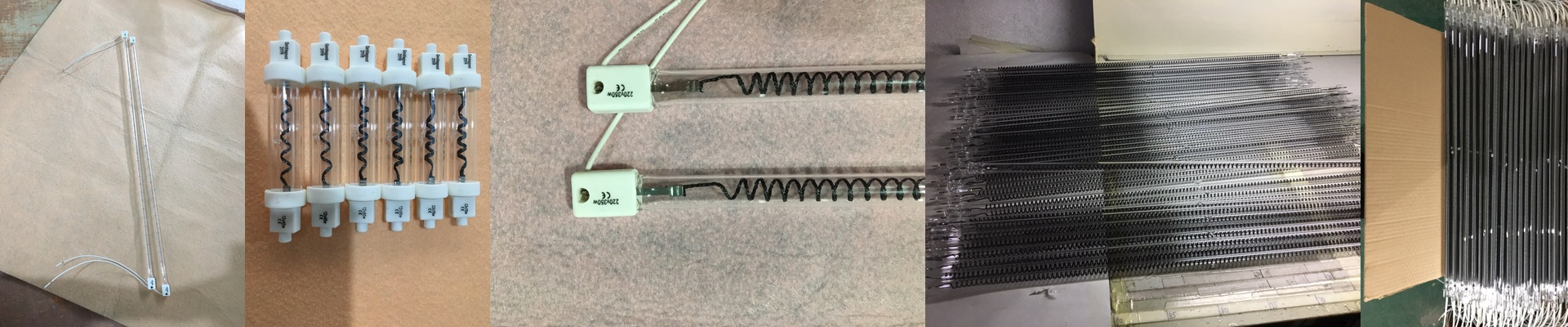
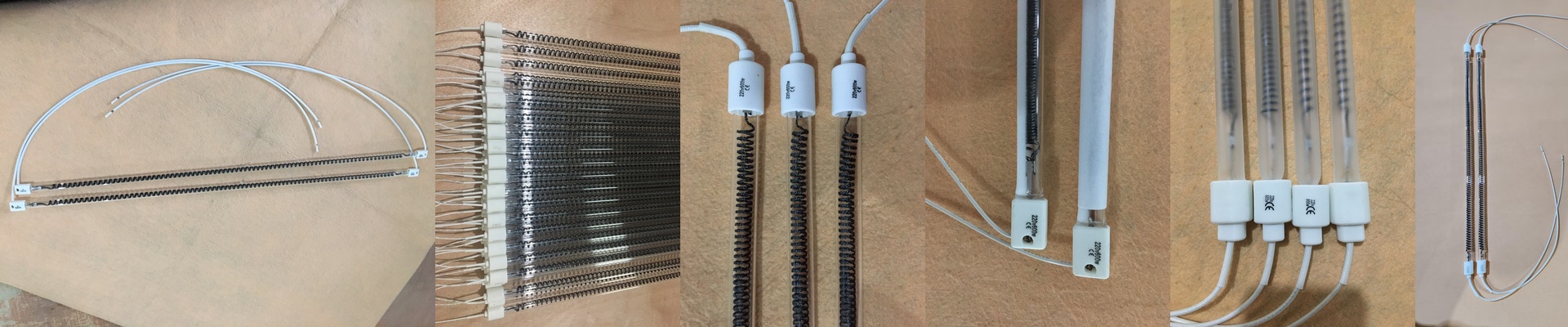
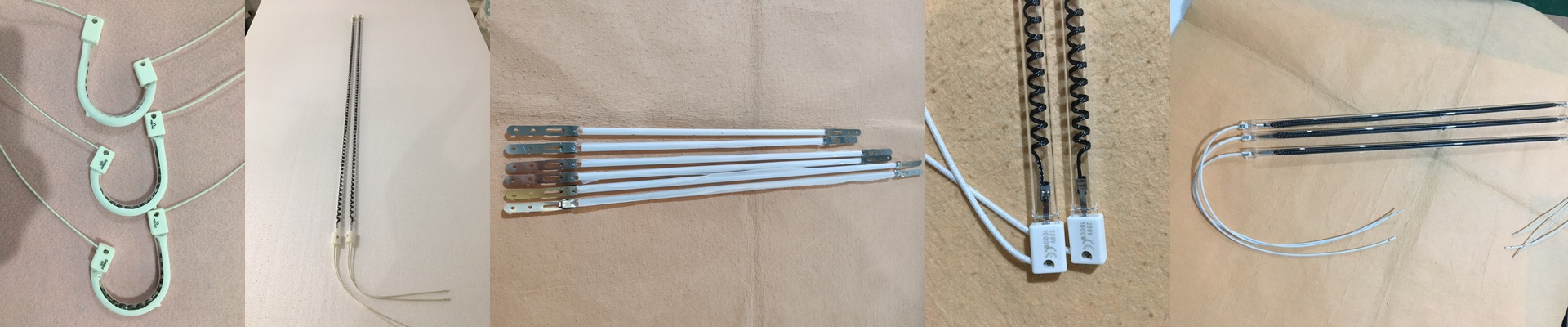
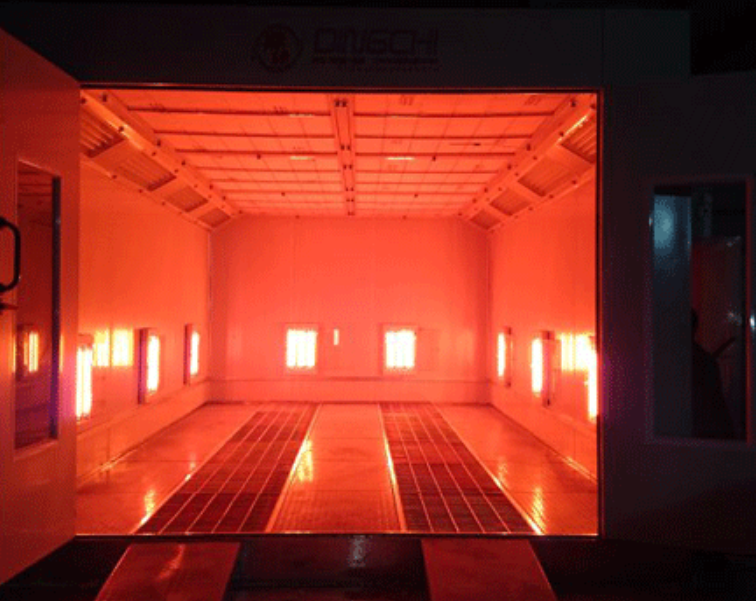
That annoying brake squeal? It usually starts way before the pads ever hit a car. It starts in the curing oven. When your friction materials don’t cure evenly, you end up with internal stress and weird density gaps. Once those pads hit the road, those inconsistencies turn into vibrations. That’s where the noise comes from. We use short-wave infrared (IR) lamps to kill that problem at the root. Why standard ovens fail Think about a regular convection oven. It heats the surface first, and then the heat slowly crawls toward the center. If you’re working with thick brake pad blends, the outside often over-cooks before the middle even gets warm. Our IR lamps work differently. Instead of waiting for the heat to travel, the radiation shoots straight into the resin matrix. It hits the molecules throughout the entire thickness of the material all at once. No more “hard shell, soft core” issues. Just a uniform, solid cure. The heavy lifting To make this happen, we use high-wattage quartz halogen tubes. These aren’t your average heaters. They pack a massive amount of power into a small space to get that resin up to temperature fast. But here’s the thing: you’ve got to keep an eye on your power draw. These arrays pull a lot of juice. Make sure your wiring and breakers can handle the peak current, or you’ll be spending your morning resetting panels every time you ramp up. Getting it right on the floor We designed these lamps for the real world, which means they’re easy to swap. We use standard connectors so you can pull a burnt-out tube and pop in a new one without having to tear apart the whole rack. Just be careful with the intensity. Because IR is so direct, it’s easy to scorch the surface if your belt is moving too slow or the lamps are sitting too close. You’ll need to play around with the distance and dwell time to match your specific resin. Get the timing wrong, and you’ll char the pads. Get it right, and the noise disappears.