Getting Brake Pad Curing Right (Without the Cracks)
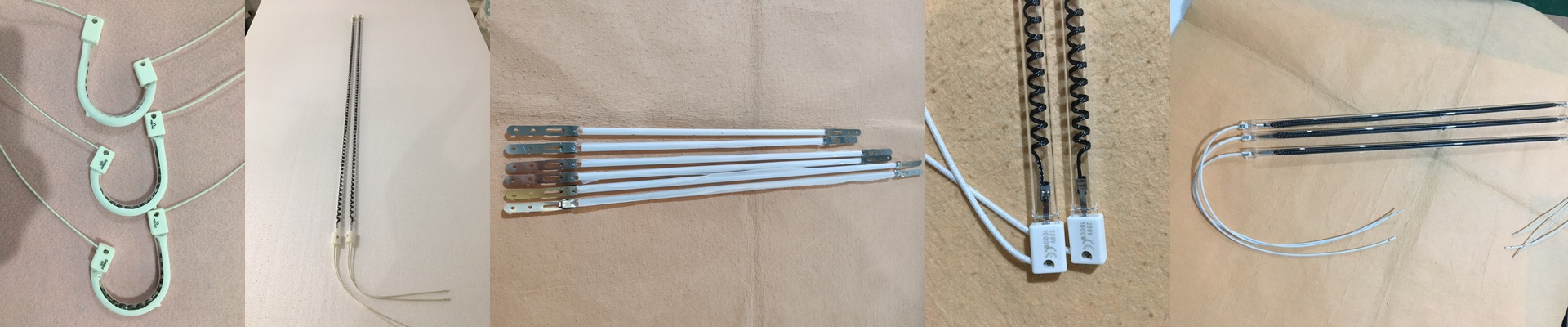
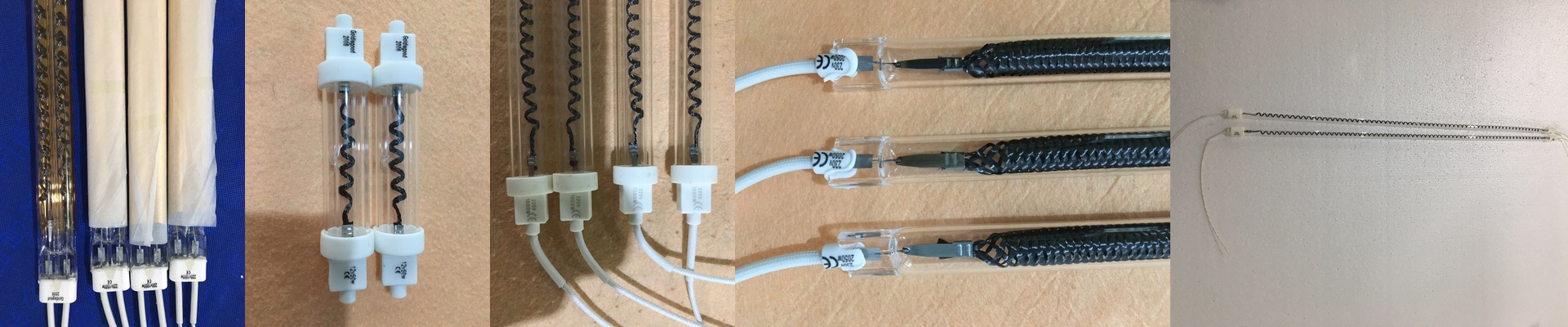
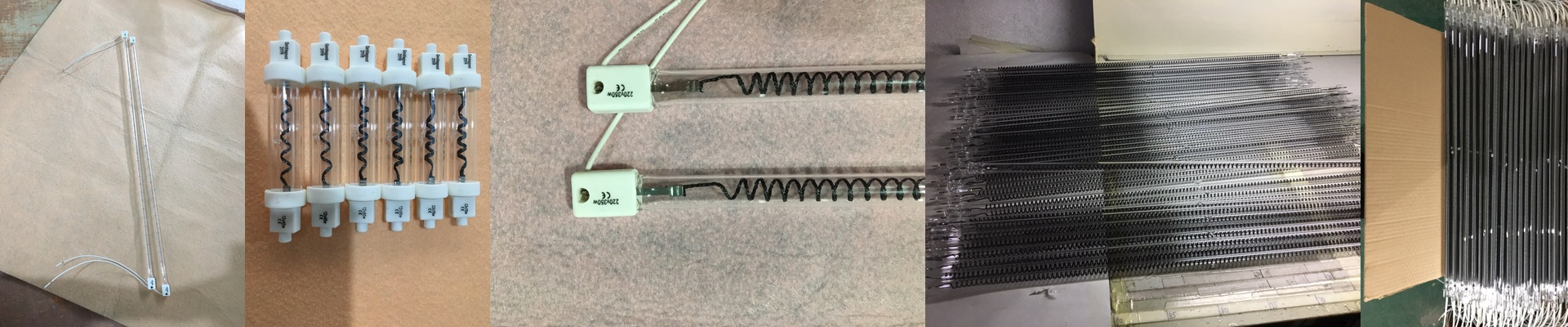
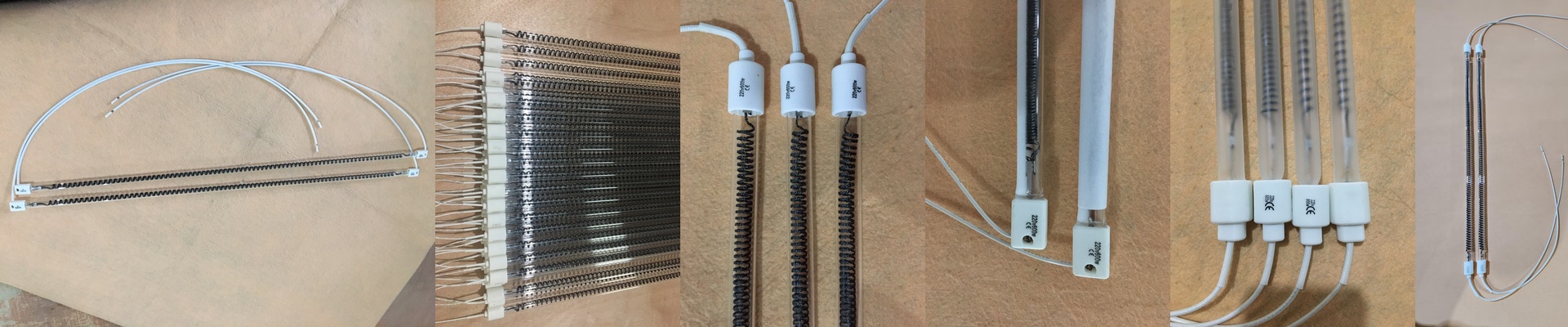
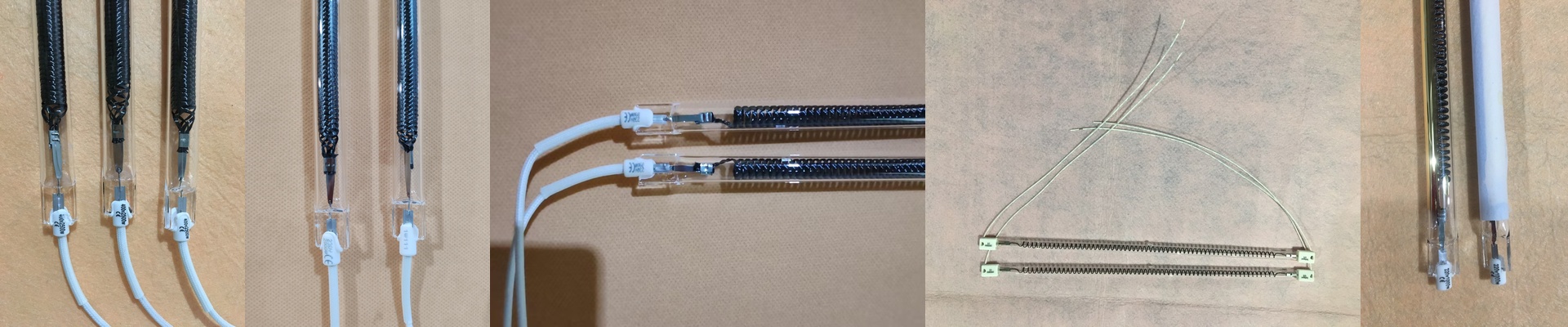
Curing brake pads is a bit of a tightrope walk. If you crank the heat too fast, the binders basically explode, leaving your friction material full of tiny holes. But if you go too slow? You’re just wasting time and killing your production numbers. The real nightmare, though, is uneven heat. That’s how you get internal stress, which leads straight to thermal cracking. To fix this, we stopped relying on slow, drifting hot air and switched to short-wave IR lamps. They hit the core of the material directly. The fight against the “skin effect” Here’s the thing: to keep those cracks away, the temperature needs to climb steadily. We tune our IR lamps to push heat deep into the pad. If you don’t, you get what we call the “skin effect.” The outside hardens into a shell while the center is still wet. When those inside gases try to escape, they get trapped. That’s where your porosity comes from, and it absolutely ruins the structural integrity of the pad. The gear that actually works We go with quartz-halogen elements because they hit operating temp almost instantly. No waiting around. But you can’t just flip a switch and walk away. We use a closed-loop PID controller and a pyrometer to tweak the power in real-time. We also match the IR wavelength to the specific resin binders in the pads. It’s the difference between heating the actual product and just wasting electricity heating up the oven walls. A few warnings from the trenches High-intensity IR lamps pack a punch. They’re fast, but they’re hungry. If your wiring isn’t ready for that initial power surge during the ramp-up, you’re going to be tripping breakers all day. And keep an eye on your cooling. These things get incredibly hot. If your fans aren’t positioned just right, the housing will warp and you’ll fry your connectors. Get the airflow sorted first, or you’ll be replacing hardware a lot sooner than you’d like.