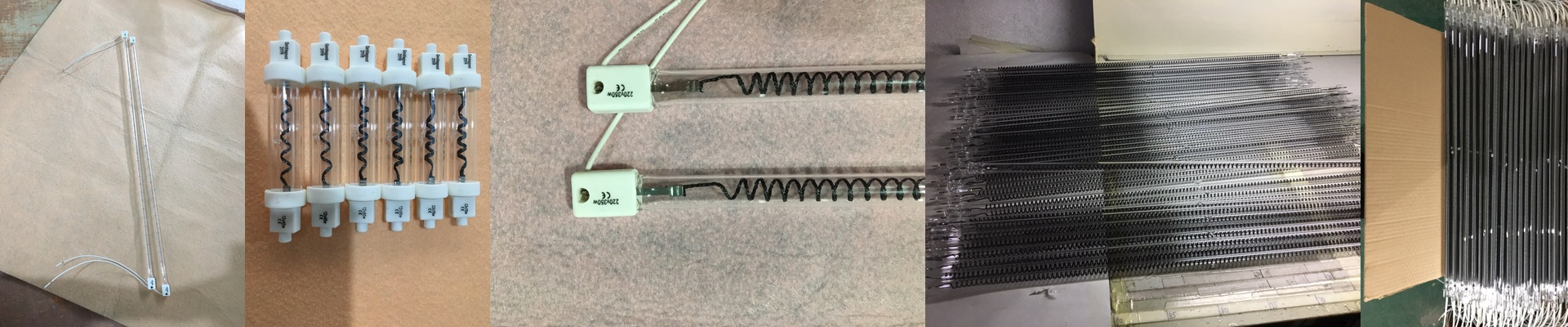
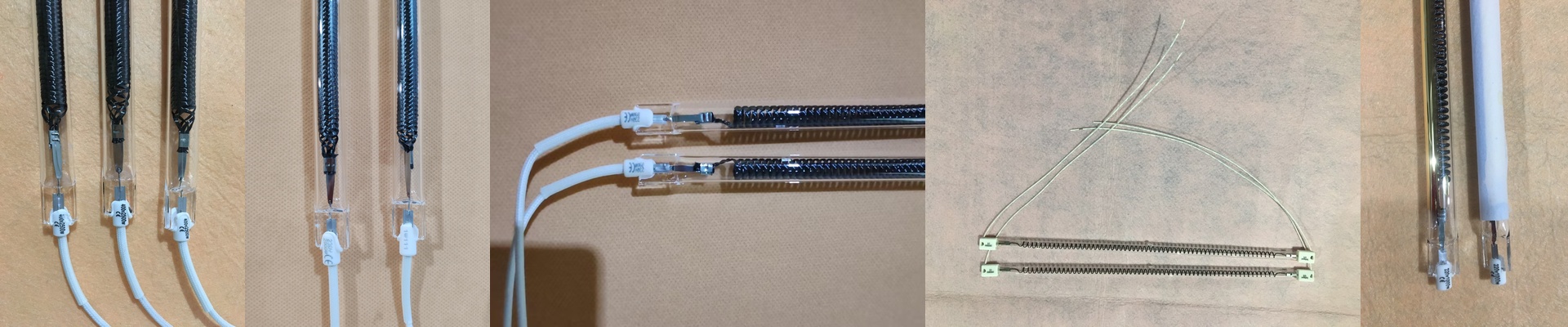
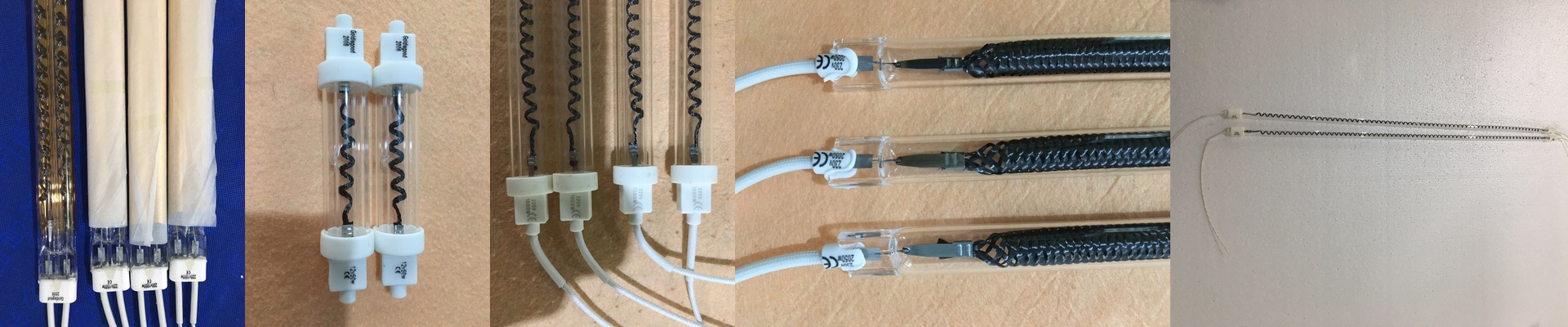
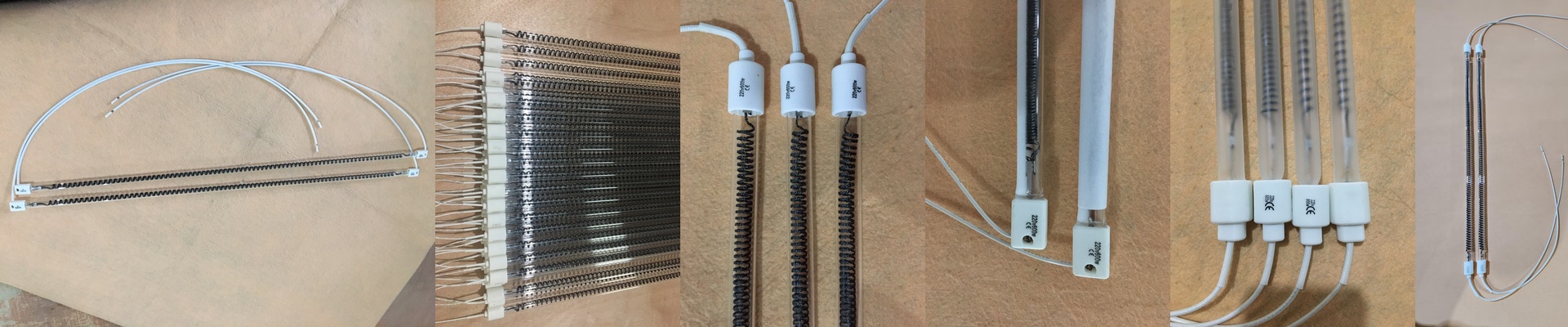
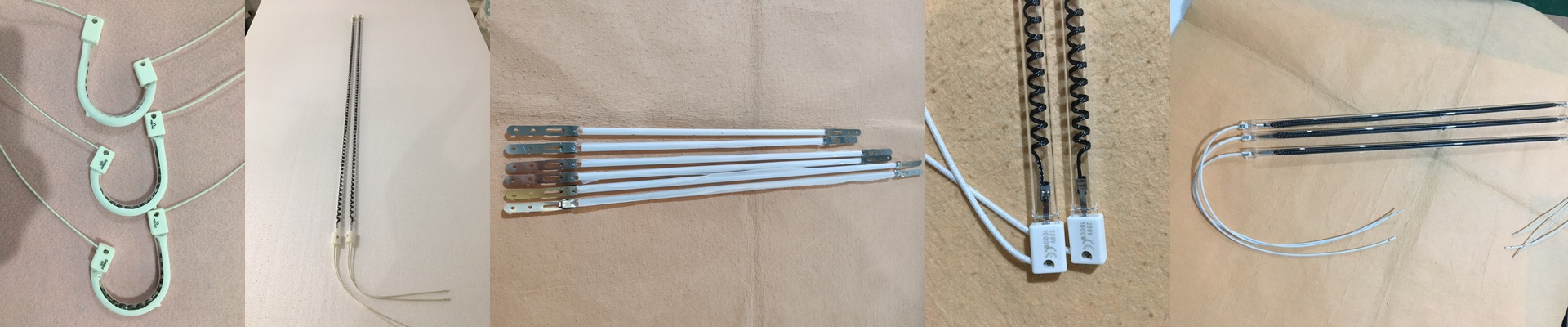

Ever deal with that frustrating “spring-back” on automotive interior parts? You pull a piece out of the thermoformer, and it just… warps. It’s a nightmare. It happens because the material is still holding onto internal stress from the heating cycle. We’ve found a way to stop that. We use short-wave infrared lamps, but the secret isn’t just the heat—it’s where we put it. Targeting the trouble spots Here’s the thing: heating a part evenly is actually a mistake. Your parts have different thicknesses and weird angles. If you treat the whole thing the same, you’re asking for trouble. Instead, we use a partitioned lamp array. This lets us target specific zones. We crank up the power in the high-stress areas to hit that glass transition temperature exactly where it counts. It basically kills the tension in the material. No tension, no warping. Simple. Getting to the core Short-wave IR is great because it doesn’t just sit on the surface. It punches deep into the polymer. Because the heat hits the core so fast, your cycle times drop. You get the part hot, mold it, and cool it down before the material has a chance to “creep” or drift out of shape. It’s fast. Really fast. And that makes the whole floor run smoother. The hardware reality check Now, a heads-up on the gear. These high-wattage lamps pull a lot of power. You can’t just plug them into a random outlet and hope for the best. You’ll need control panels built for high current draw. And please, don’t skimp on the cooling fans. If your airflow is weak, you’re going to melt your connectors and be looking at a costly repair. Hitting those tight curves When you can control the heat zone by zone, you’re basically deciding how the part shrinks. That’s how you nail those complex interior curves without breaking a sweat. We spend just as much time thinking about the cooling as the heating. By balancing the IR input, the part sets in the right geometry the first time. You can finally stop relying on manual trimming or corrective jigs to fix mistakes that shouldn’t have happened in the first place.