Stop Guessing With Your Brake Lining Curing
In brake lining production, “close enough” isn’t good enough. If your infrared modules start drifting or losing power, you’re heading for trouble. You get uneven resin polymerization, and suddenly your friction coefficients are all over the place. It’s a nightmare for quality control. That’s why we build our IR modules to just… work. Even after 24 hours of non-stop cycling, they don’t suffer from that annoying power drop-off you see with the cheap lamps.
Why the power stays steady
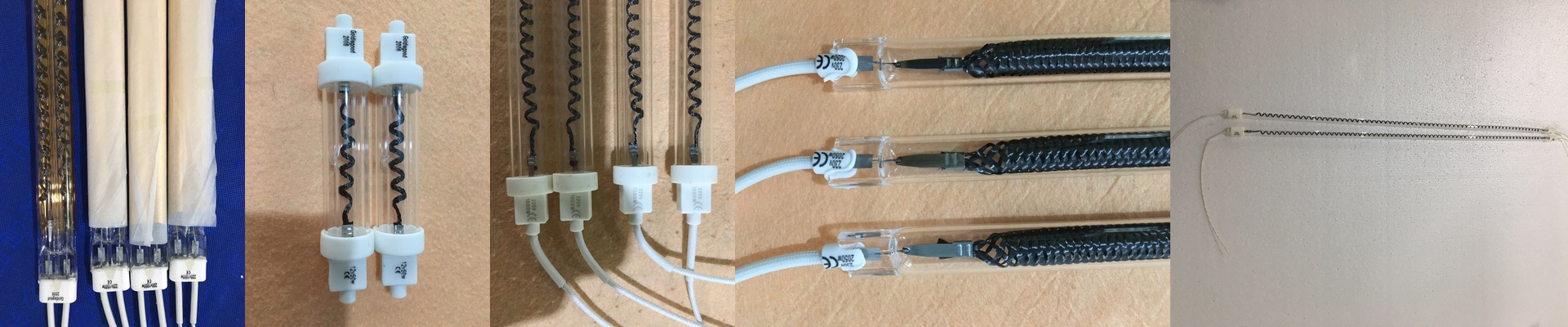
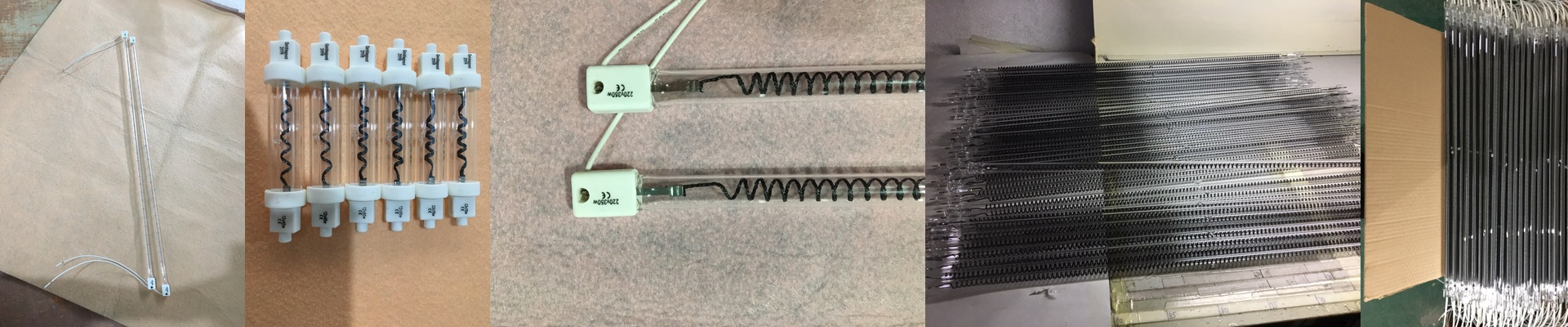
Here is the secret: it’s all about the filament’s thermal equilibrium. We use high-purity quartz glass and a very specific halogen gas fill. Why? Because it stops the tungsten filament from evaporating too fast. When a filament thins out, the resistance shifts and your wattage tanks. By keeping the internal pressure stable, we keep your wattage flat for thousands of hours. No dips. No surprises.
The hardware side of things
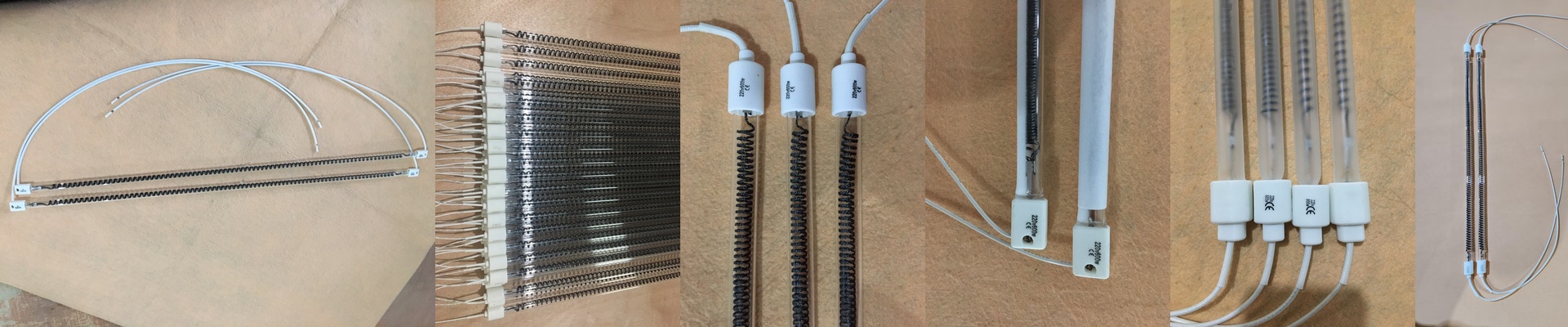
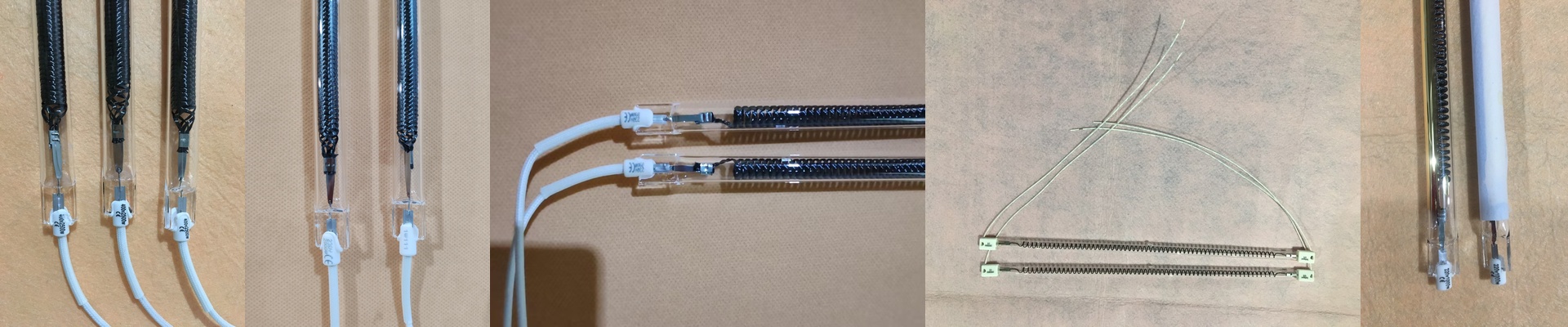
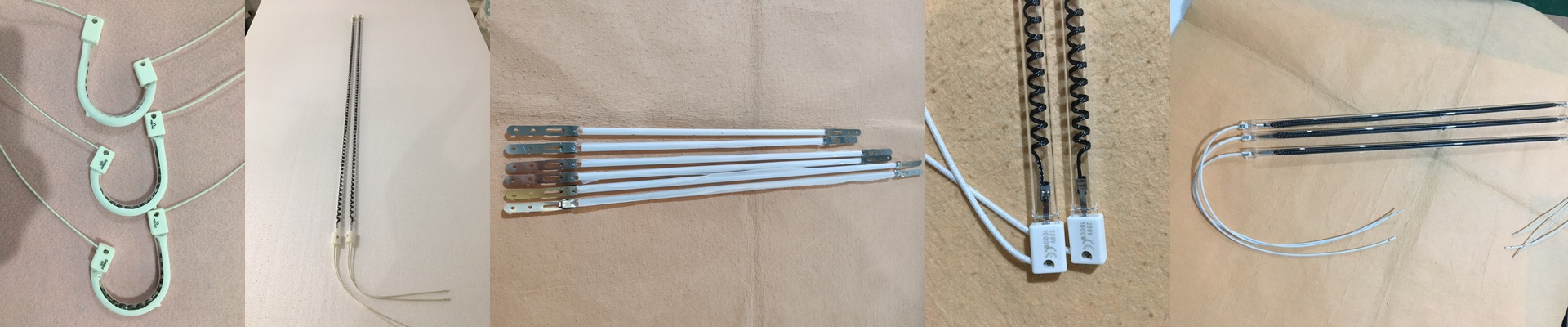
These high-output curing tubes pack a serious punch. You get immediate shortwave radiation that actually sinks into the lining material, instead of just scorching the surface. And we didn’t forget the small stuff. We use industrial-grade connectors because we know how heat kills electrical contacts through oxidation. But a word of advice:watch your cooling. High-wattage tubes get hot—really hot—around the sockets. If your housing isn’t vented properly, those connectors will burn out. Make sure your airflow matches your wattage, or you’re just asking for a premature failure.
Getting it on your floor
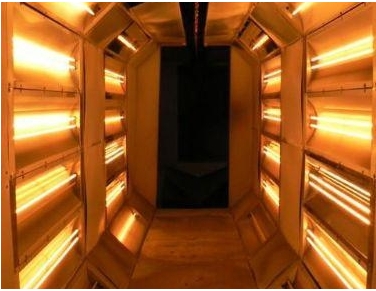
We designed these to be drop-in replacements. We’ll match the length and voltage to your existing grid, so you don’t have to deal with bulky, ugly transformers taking up space. The goal is simple: zero maintenance. You wire it up, dial in your PID controller, and walk away. Because the shortwave spectrum cures the material so quickly, you can actually shorten your oven length. That gives you some much-needed breathing room on your factory floor.