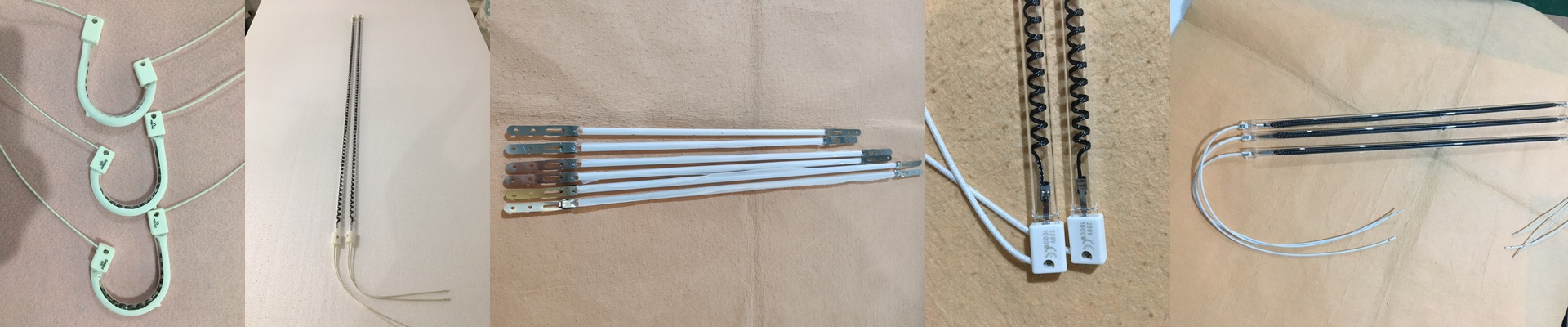
Getting Your IR Heating Walls Right: No More Hot Spots
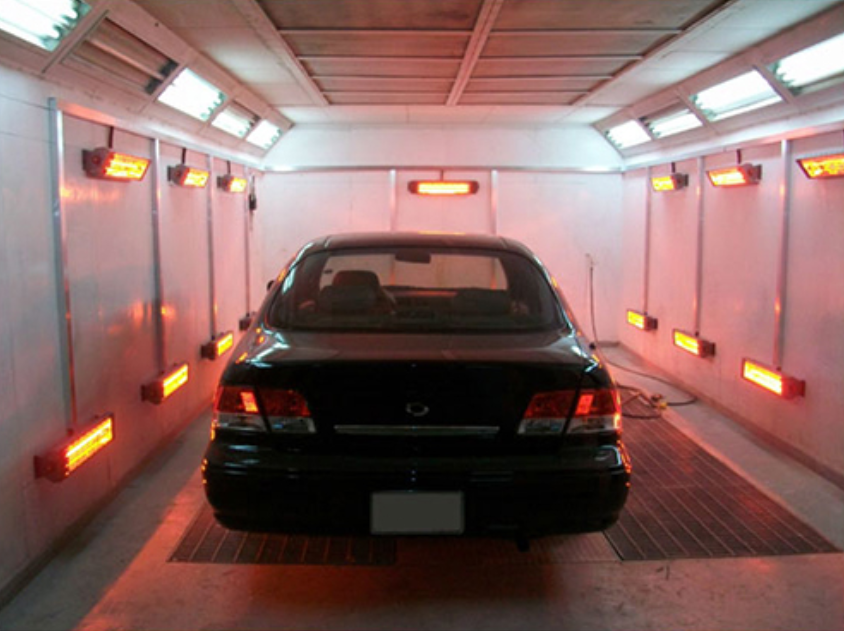
If you’re building a custom heating wall for a paint booth, you quickly realize that just throwing more wattage at the problem doesn’t work. Whether you’re curing a tiny set of brake pads or a massive body panel, the real secret is how you spread those infrared lamps vertically. Get it wrong, and you’re looking at uneven cures or—even worse—burnt spots.
Matching the Heat to the Car
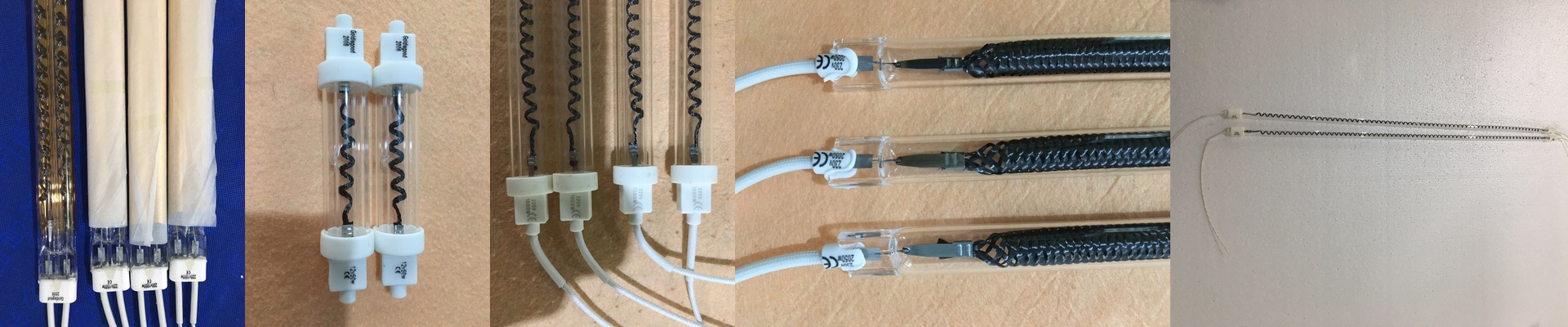
Think about it: a low-slung sports car and a high-roof transit van are completely different beasts. You can’t just use one standard lamp layout for both. That’s why we group the lamps into vertical zones. By setting them up in switchable banks, you can blast the lower chassis with heat without accidentally melting the roof. One thing to watch out for is the gap between the lamp and the part. IR intensity drops off fast. If your lamps are spaced too far apart, you’ll end up with “zebra striping”—those annoying alternating bands of cured and uncured coating. To stop that, we just tighten the pitch in the areas where precision actually matters.
Dealing with the Heat
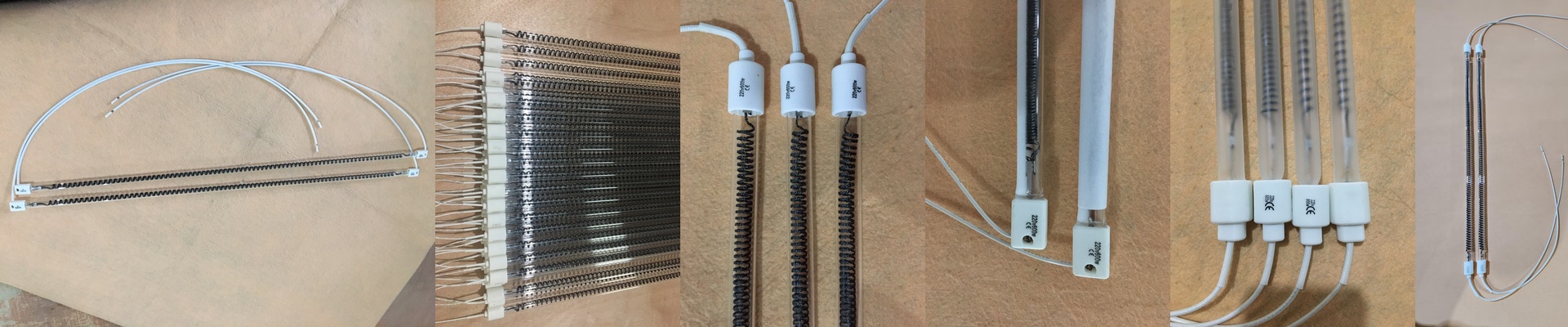
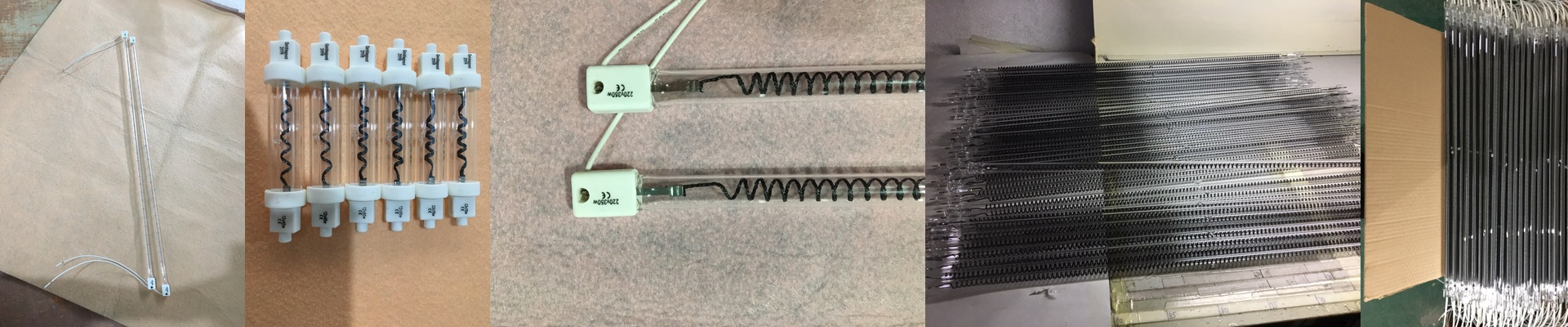
Shortwave IR is great because it ramps up fast, which keeps the line moving. But there’s a catch. When you pack a lot of lamps into one wall, things get hot. I mean really hot. If you crowd them too much, you risk frying your wire insulation or tripping the thermal cut-offs. To keep things from overheating, we use reflective backing plates. This pushes the energy forward toward the vehicle instead of letting it soak into the wall itself. Plus, you’ll want to make sure your ventilation is actually strong enough to pull that excess heat away from the housings.
Setup and the Boring Stuff
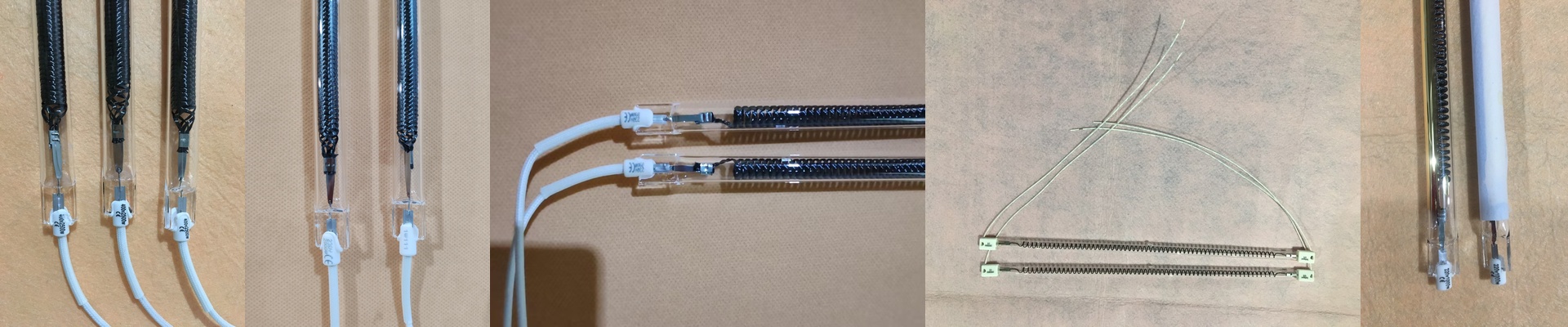
We use modular brackets for these walls for a reason. If you change your product line next year, you can just shift the lamps up or down. No need to rebuild the whole thing. We also stick with quick-disconnect connectors. It means your team can swap out a burnt-out tube in a few minutes. No rewiring the entire rack, no headaches. Just a heads-up: when you tighten the lamp spacing, you’re putting more stress on your power supply. Double-check that your breakers can handle the draw when all your zones are running at once.