Stop the Cracks: A Better Way to Cure Brake Pads
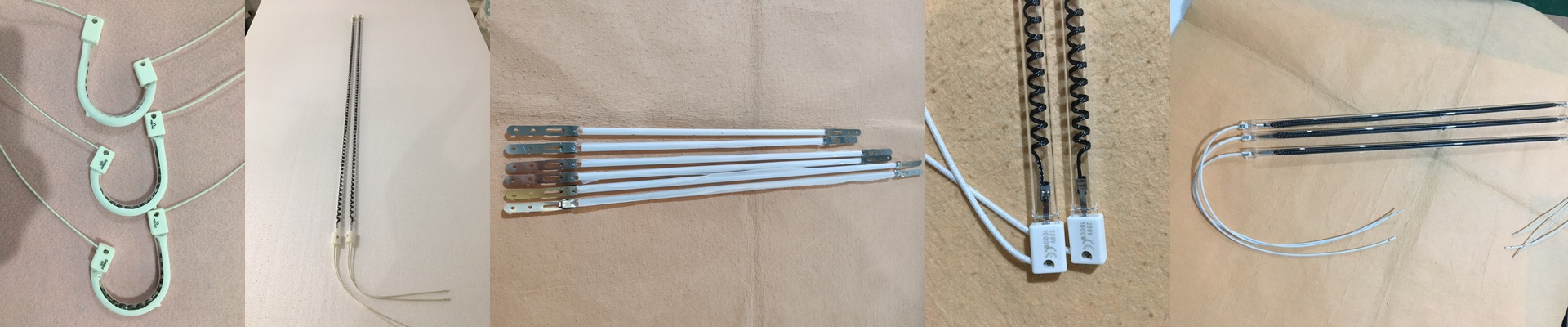
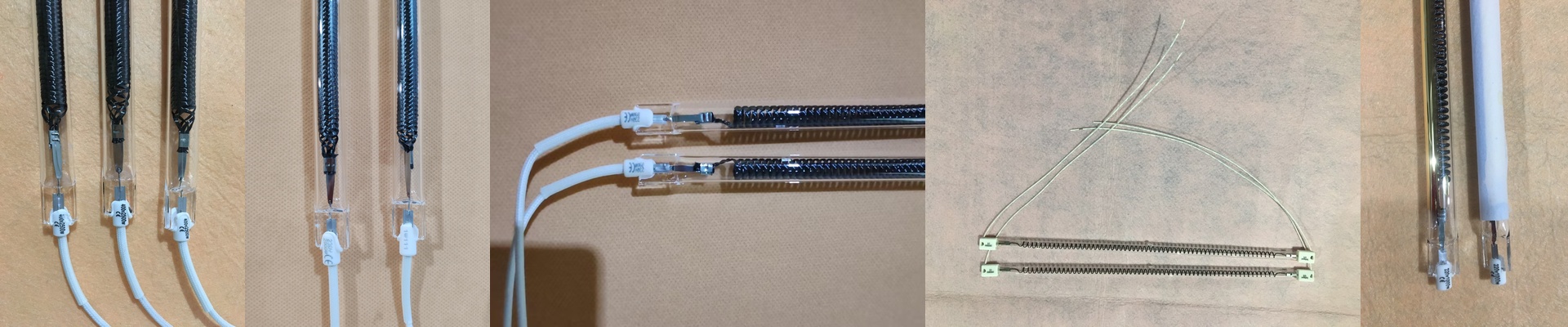
Curing brake pads is a bit of a tightrope walk. If you push the temperature too fast or let it get uneven, you’re asking for trouble. You end up with thermal cracks and those annoying little air pockets inside the material. Once that happens, the structural integrity is gone. The pad is basically junk. We’ve found a way around this using precision infrared (IR) heating. Instead of just blasting the outside, it hits the core of the material without scorching the surface.
Why standard ovens usually fail
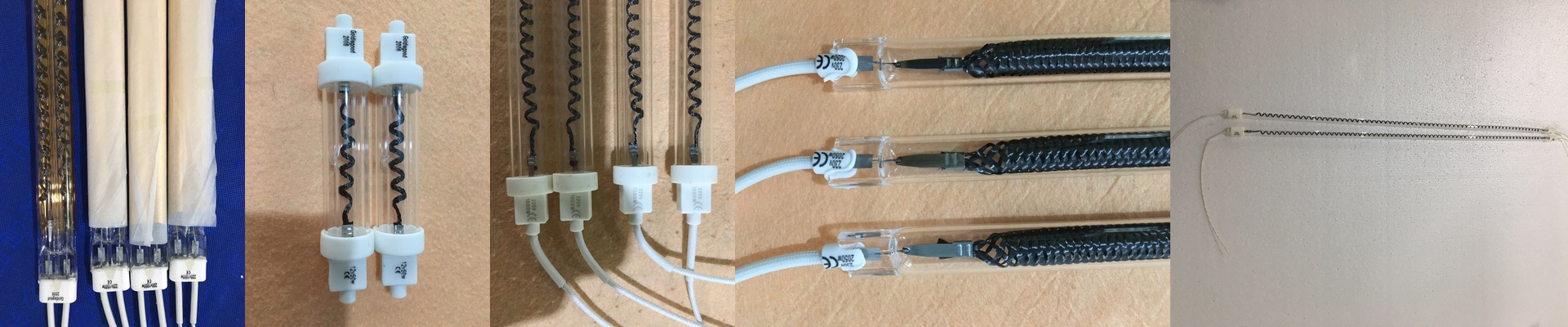
Think about a regular convection oven. It heats the air, and the air heats the part. It’s slow. Even worse, you get “skinning.” That’s when the outside cures way faster than the inside, trapping gases and leaving holes behind. IR is different. It penetrates the friction material directly. We tune the wavelength to match the resin, so the heat actually reaches the center of the pad. But you can’t just turn it on and walk away. You need a tight feedback loop. We use PID controllers and fast IR sensors to keep things in check. If the surface temperature spikes, the system throttles the power instantly. It stops the resin from “flashing,” which is exactly what causes those surface cracks.
The trade-offs you need to know
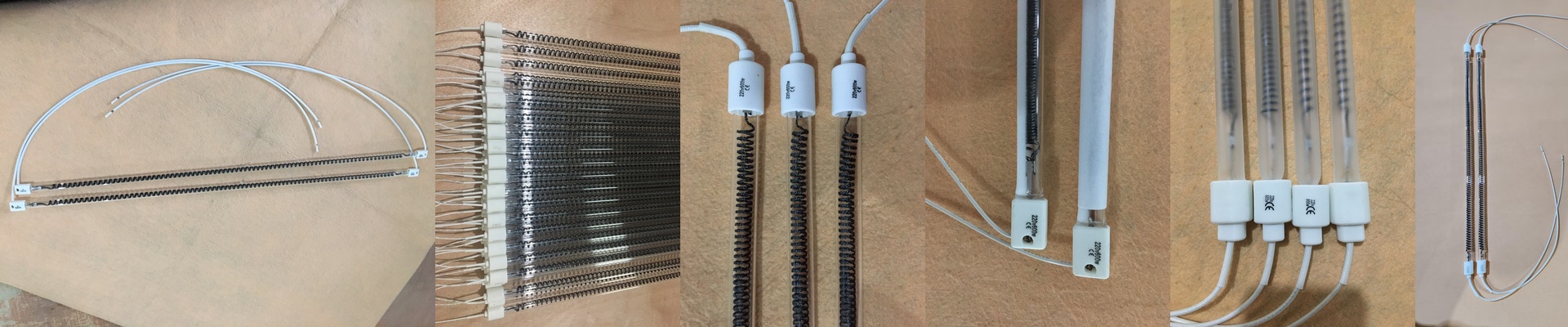
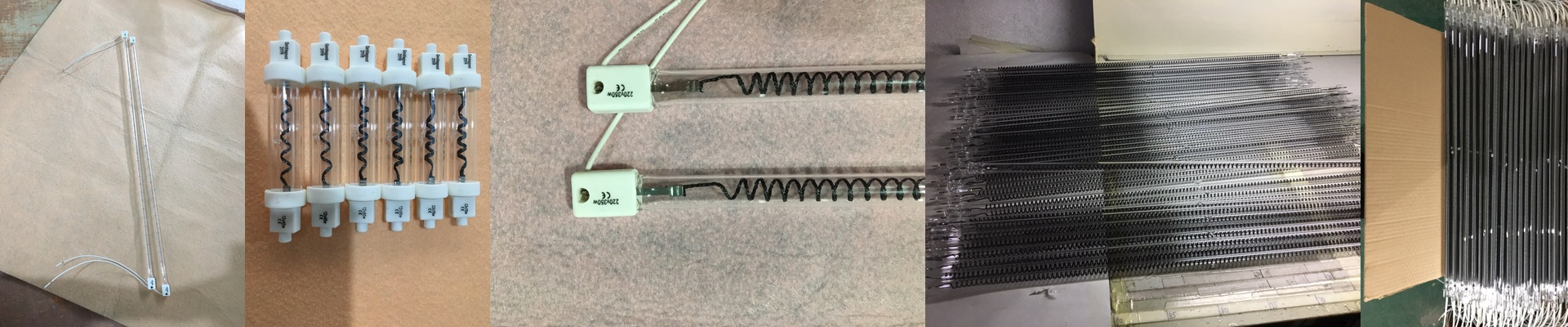
To get the strength you need, you have to hit a specific soak time at peak temperature. We use zoned IR arrays to make sure the heat is flat and consistent across the whole rack. No hot spots, no cold spots. Here’s the catch: high-density IR emitters are fast, but they’re power-hungry. You’ll need to make sure your electrical panels can handle that initial surge. Plus, don’t skimp on the cooling fans. If the housing gets too hot, your sensors will start to drift, and suddenly your batches aren’t consistent anymore.
The payoff
When you get the IR control right, those stress gradients just disappear. You end up with a dense, uniform matrix. It means way fewer rejected parts. More importantly, it means the pads won’t delaminate when they’re under heavy load on the road. It’s a simple shift in physics that fixes the chemistry.