Stop Wasting Floor Space on Your Coating Lines
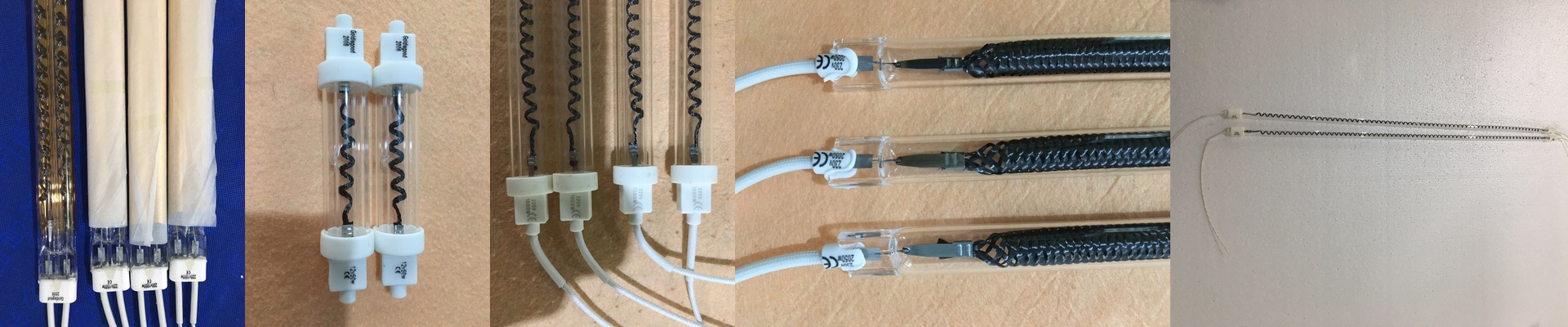
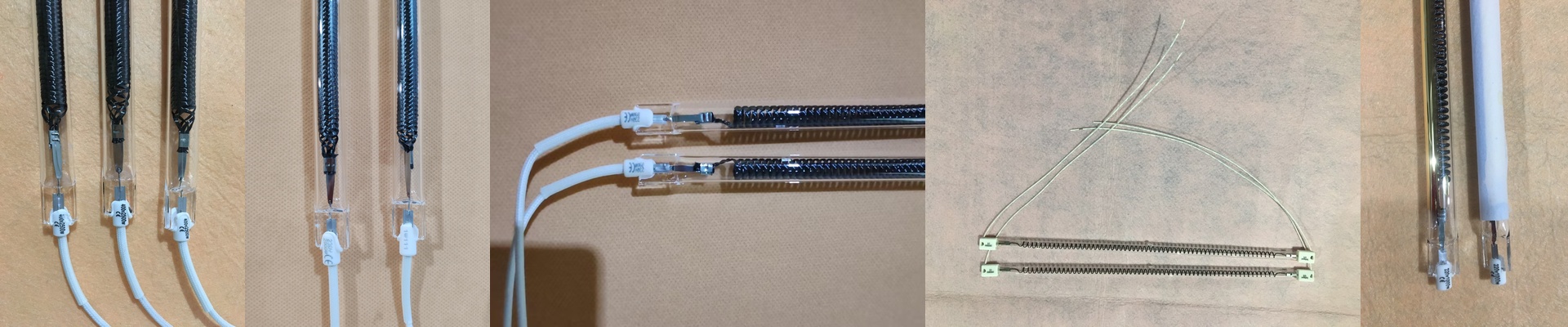
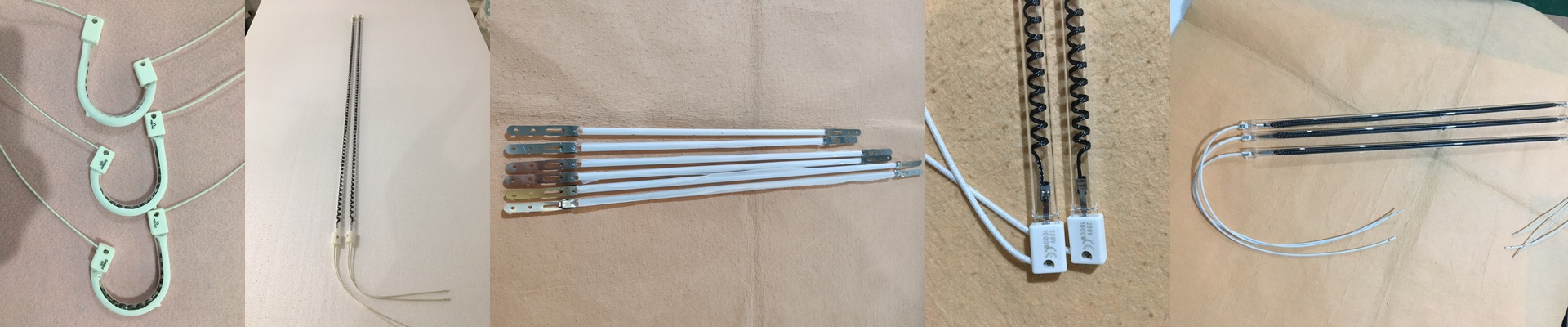
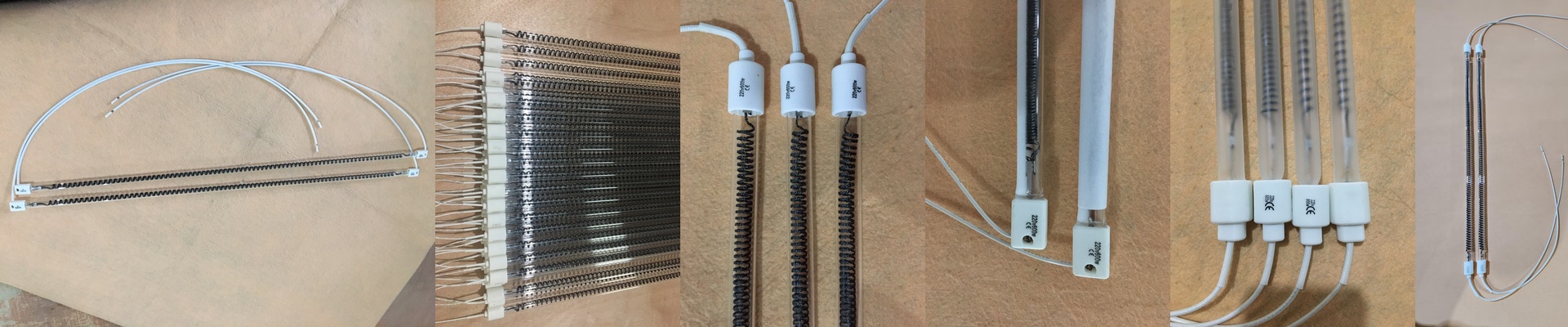
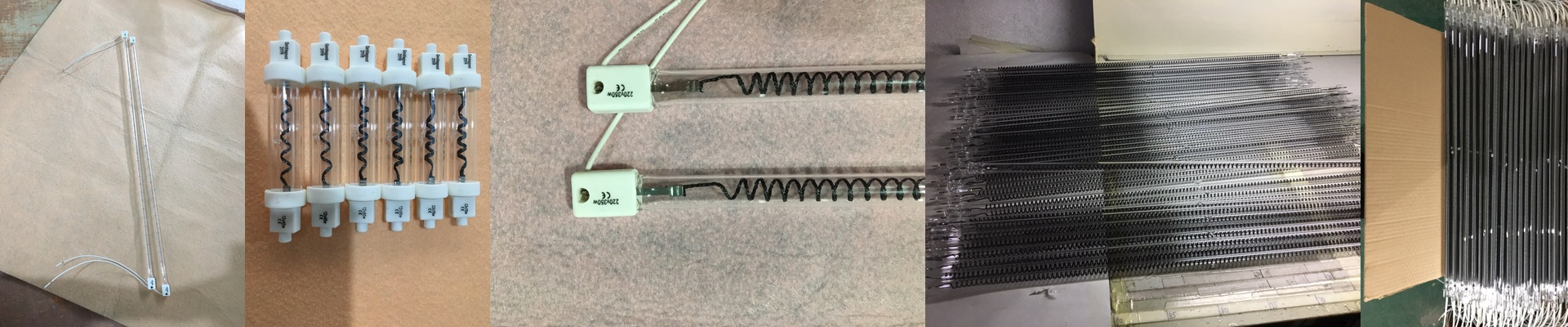
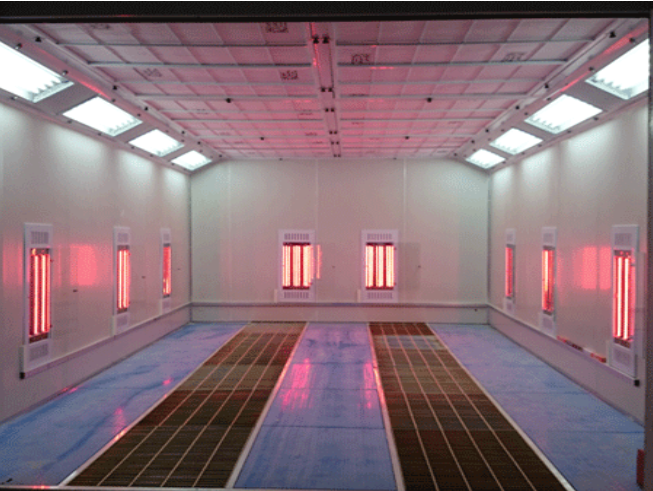
Let’s be honest: traditional convection ovens are a bit of a drag. They work by heating up the air, and then waiting for that air to slowly soak into the material. It’s slow. It creates a massive bottleneck in your production, and it forces you to build these giant, sprawling tunnels just to get the job done. We do things differently. Instead of messing around with the air, we use short-wave infrared (IR) emitters. These hit the coating directly. It’s not just heating the surface; it’s heating the whole thing from the inside out. Why this actually matters Short-wave IR operates at a higher frequency, which is just a fancy way of saying the energy digs deeper into the brake pad. You hit your curing temperature way faster. Because we’re using radiation instead of blowing hot air, we can slash the size of the tunnel. I’ve seen lines that used to need 20 meters of convection space get squeezed into a much smaller IR setup. And the best part? You don’t lose any of your output. You just get your floor space back. Getting the settings right Of course, you can’t just plug it in and walk away. We look at the thermal mass of your specific pads to figure out the right setup. We use high-wattage quartz lamps to flash off solvents and lock in those resins quickly. It’s all a balancing act between the lamp power and how fast your conveyor is moving. If you want to speed up the line, we just bump up the wattage or throw in a few more banks of lamps. Simple as that. The “gotchas” (because nothing is perfect) Now, IR isn’t a magic wand. These high-density banks put out a ton of heat, and that heat wants to soak into the oven chassis. If your cooling system isn’t up to the task, you’re going to warp your frames. Not a good look. You also have to be obsessive about positioning. If the gap between the lamp and the pad starts drifting, you’ll end up with “hot spots” that scorch the coating or areas that aren’t cured at all. Consistency is everything here. We build these systems to be drop-in replacements for those old, clunky gas-fired tunnels. You get a tighter footprint, a faster cycle, and a lot less headache.