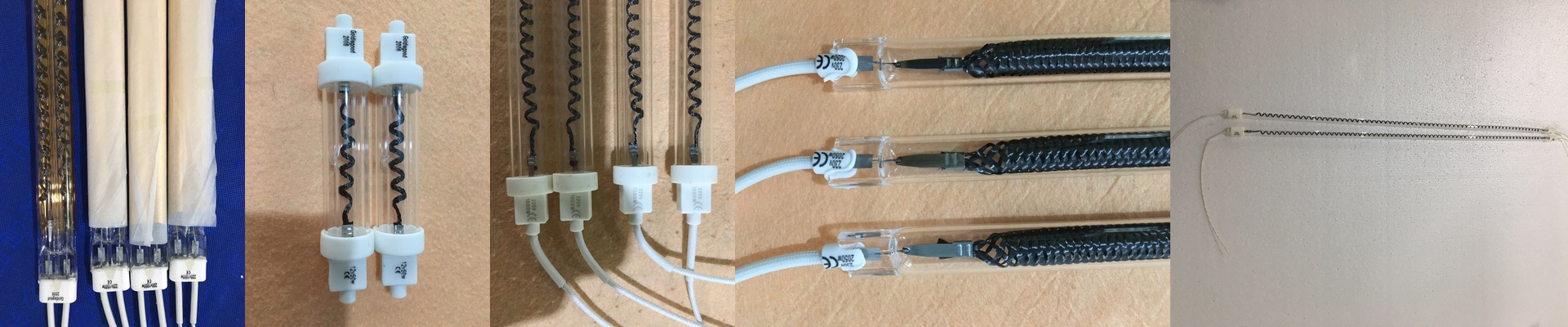
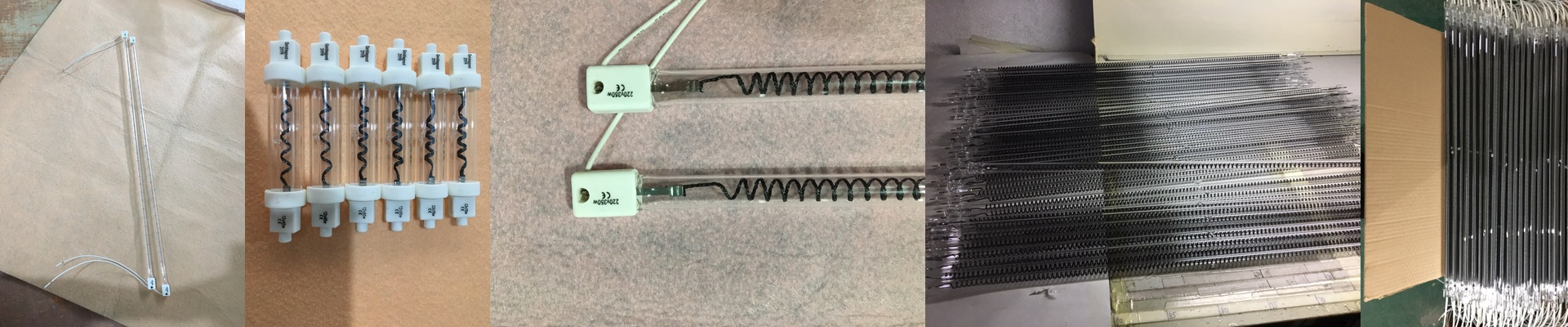
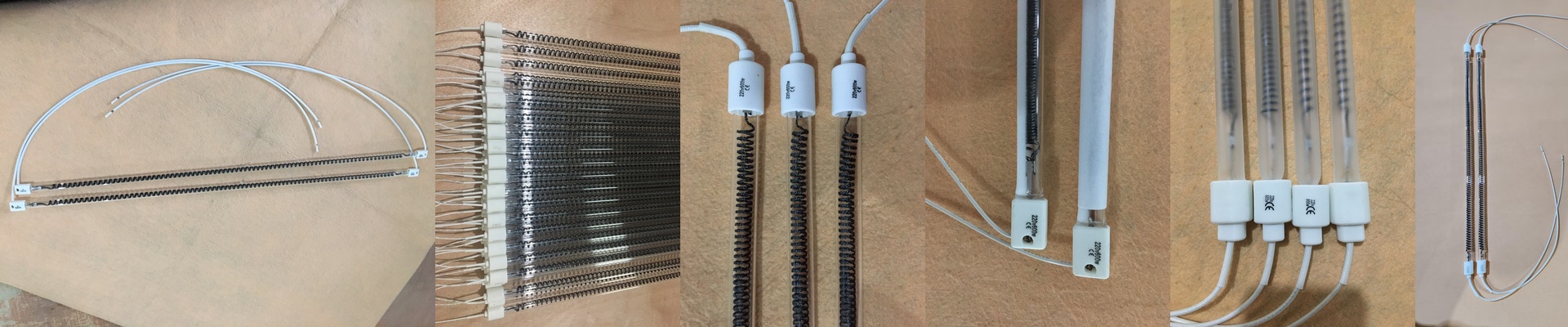
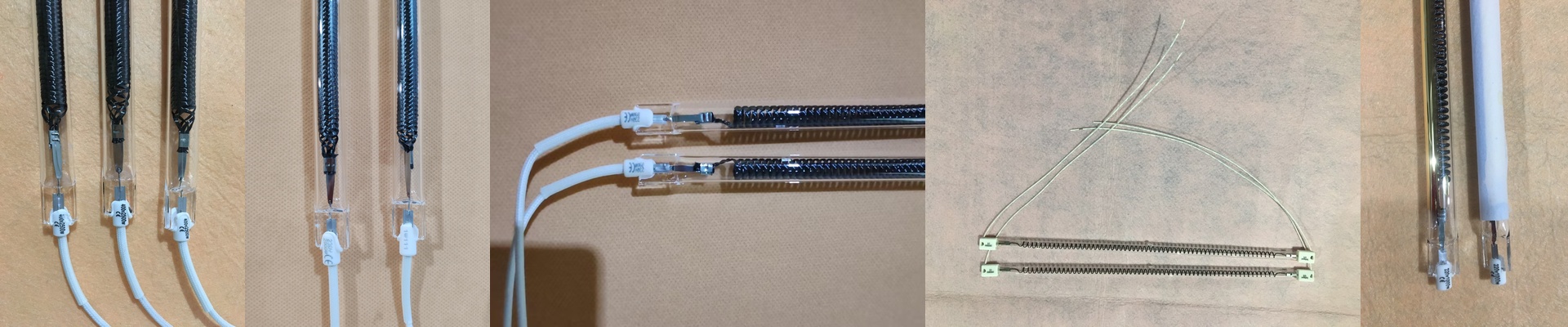
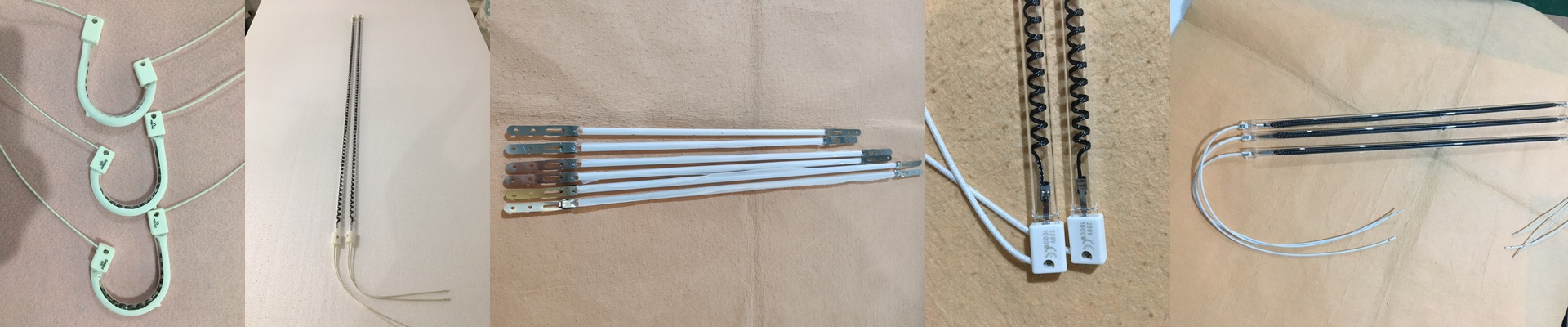
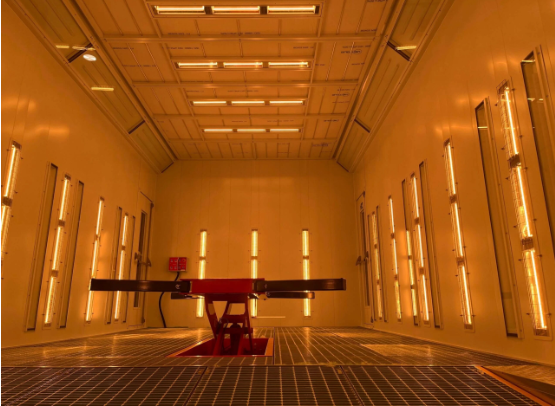
That annoying brake squeal? It usually starts way before the pads ever hit a car. It happens during curing. When friction materials don’t cure evenly, you end up with weird density gaps and internal stress. That’s where the vibration comes from. That’s where the noise comes from. We fix this by ditching surface-level heat and using shortwave infrared (IR) instead. Getting to the core Think about a standard convection oven. It heats the outside first, and then you have to wait for that heat to slowly crawl its way to the center. It takes forever and leaves you with a “temperature gradient”—basically, a pad that’s cooked on the outside and raw in the middle. Our IR setup doesn’t play that game. The radiation punches straight through to the core. The inside and the outside cure at the exact same time. You get a solid, uniform structure across the whole pad. No weak spots. No surprises. The nitty-gritty We don’t just blast heat at the parts. We tune the wattage-per-centimeter so you don’t scorch the resin. By tweaking the lamp length and voltage, we dial in the heat density just right. And because we use high-output quartz lamps, the ramp-up is nearly instant. You’re triggering your curing cycle in seconds. It’s fast. Really fast. We also add specialized coatings to those quartz tubes. This shifts the energy so the friction material actually absorbs the heat instead of it just bouncing off the metal backing plate. Real talk: The shop floor Switching to IR is great for your floor space. You can stop dealing with massive, clunky batches and move to a continuous flow. But you’ve got to keep an eye on your belt speed. If the pads fly by too fast, the core stays cold. Too slow? You’ll burn the binder. You need a PLC with tight timing to keep everything steady. Alignment matters, too. If your lamps are even slightly skewed, you’ll get hot spots on the edges. We usually suggest a mirrored reflector setup. It wraps the heat around the part, making sure every single millimeter is covered.