Stop the Cracks: Getting Your Brake Pad Curing Right
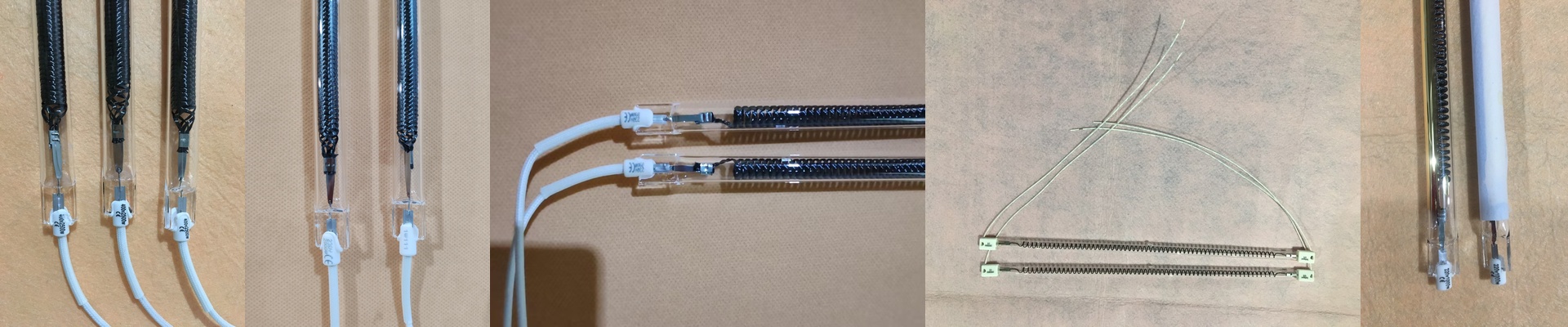
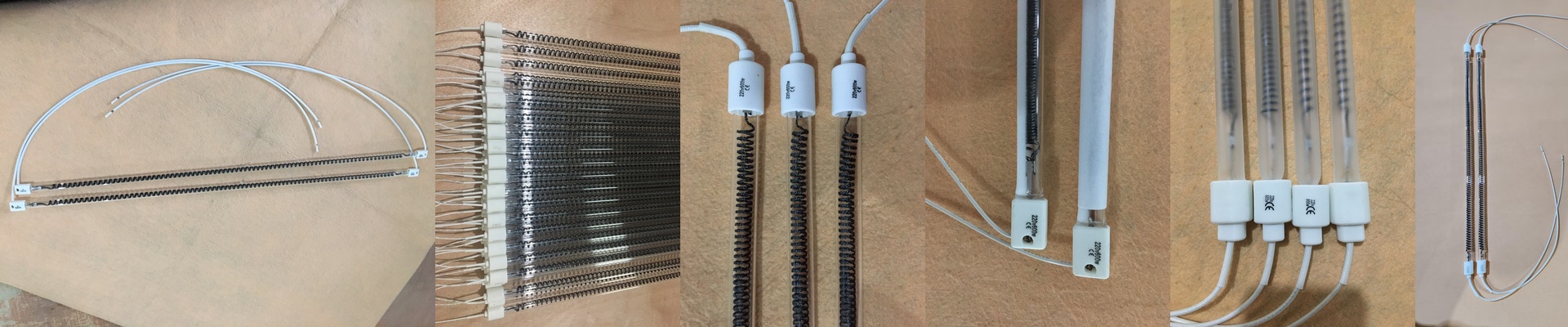
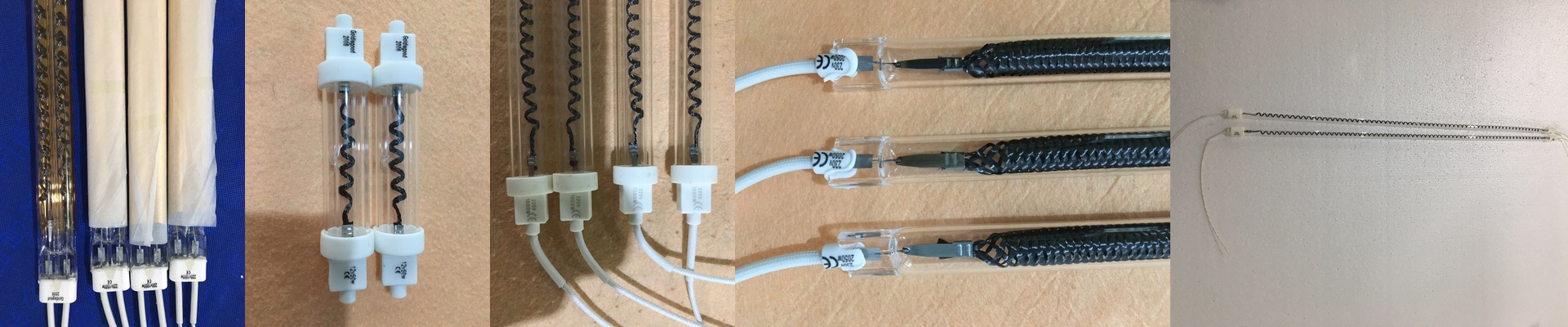
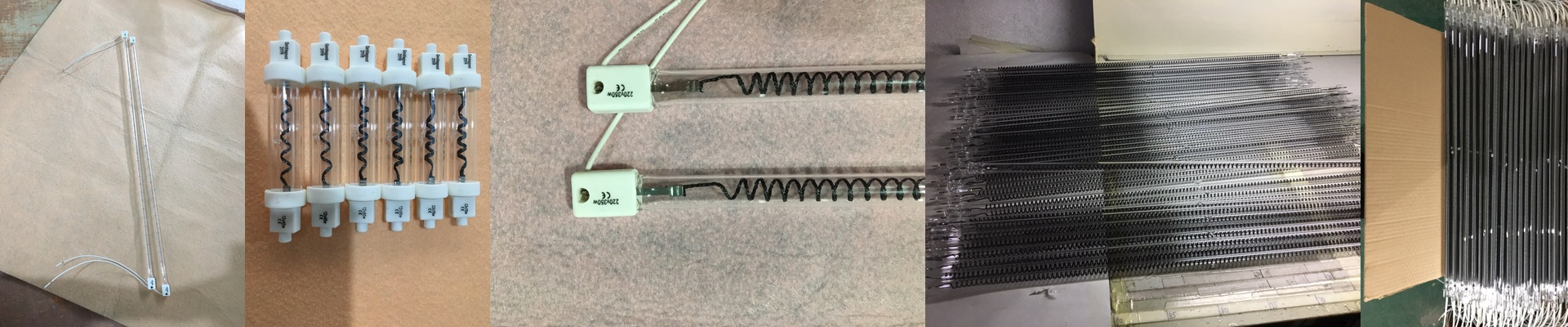
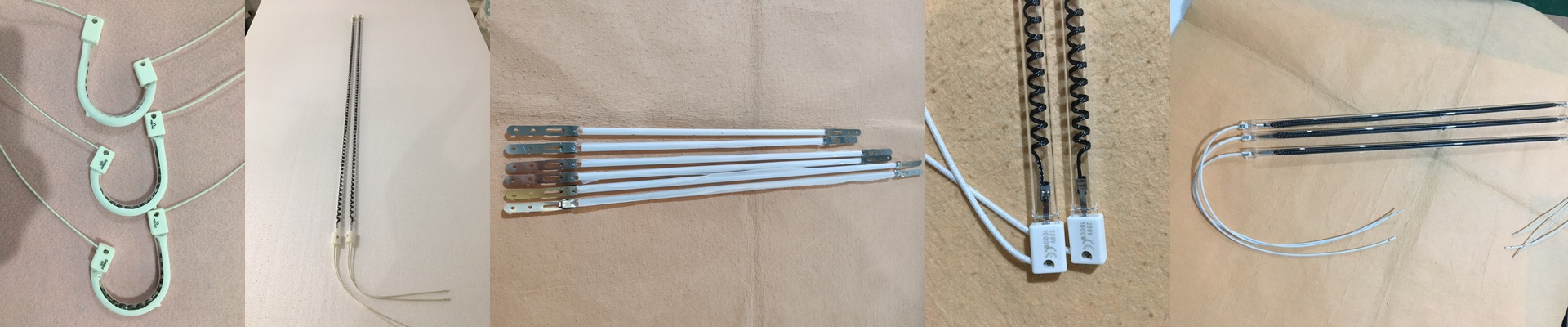
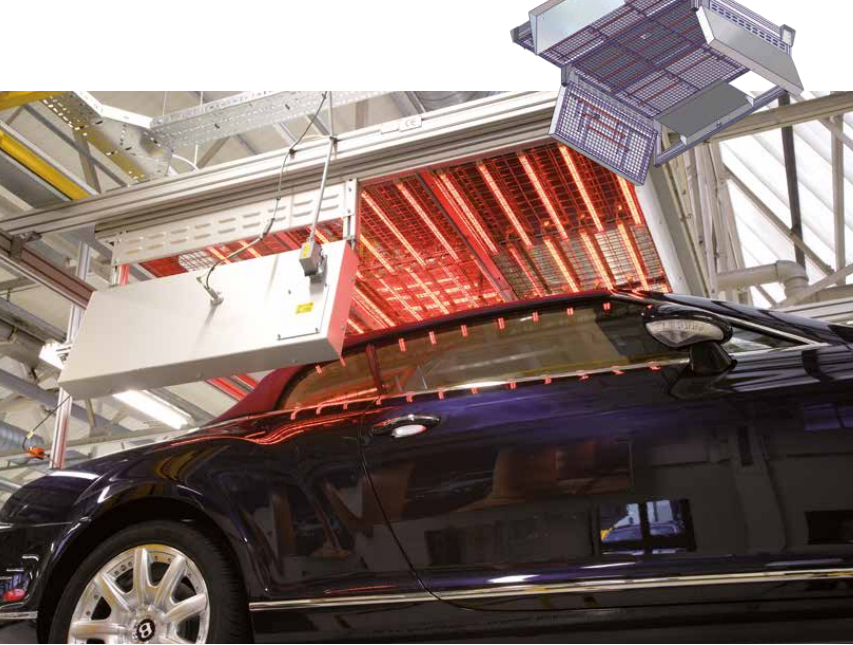
Curing brake pads is a bit of a tightrope walk. If you crank the heat too fast, you’ll scorch the surface. But if you go too slow? That internal moisture gets trapped, leaving you with a bunch of tiny holes and structural voids. It’s a headache. That’s why we use shortwave IR lamps. They let us hit that “sweet spot” temperature window so you don’t end up with thermal cracks. The battle against the “Skin Effect” Here is the thing: cracks happen when the outside of the pad is way hotter than the core. We use high-wattage IR lamps because they let us control exactly how fast the temperature climbs. By tweaking the power density, we make sure the heat actually sinks into the friction material instead of just flashing the surface. If you don’t do this, you get the “skin effect.” The outside hardens too quickly, trapping gases inside that eventually blow out, leaving you with a porous, weak pad. The gear you actually need We usually go with quartz envelopes for these lamps—they handle the heat without breaking a sweat. Since the shortwave output hits the resin’s absorption band directly, the response is instant. You throttle the power, and the heat changes immediately. Just a heads-up: running high-density lamps puts a lot of stress on your conveyor housing. Don’t skimp on your cooling fans. If you do, you’re looking at warped fixtures and a lot of wasted time. Making it work on the floor If you want tight tolerances, you have to wire this into a PID loop. There’s no other way. We’ve found that putting sensors directly on the pad surface is the best move. It feeds real-time data back to the controllers, which stops the material from overshooting its glass transition temperature. It keeps the structure dense. It stops the cracking. When the wavelength and the dwell time are dialed in, the pads come out smooth, solid, and totally free of those annoying surface fissures.