Stop the Power Dips in Your Brake Pad Curing
Brake pad lines are brutal. When you’re running 24/7, there’s no room for a “bad day.” If your infrared (IR) output dips even a little, you’re looking at uneven curing, warped materials, or—worst case—a whole batch of scrap. It’s a headache nobody wants. To keep things steady, we focus on two things: how the IR modules handle heat and how the electricity actually moves through the system.
Getting the Stability Right
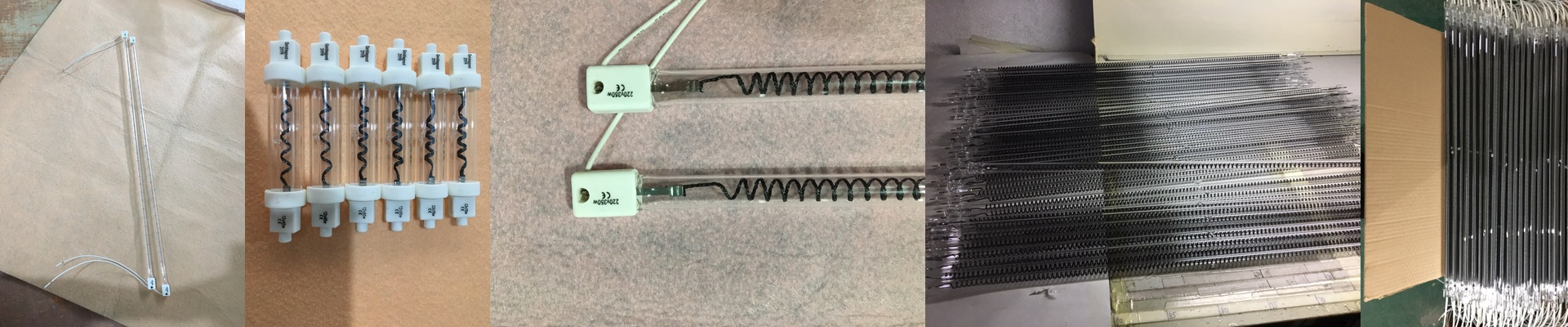
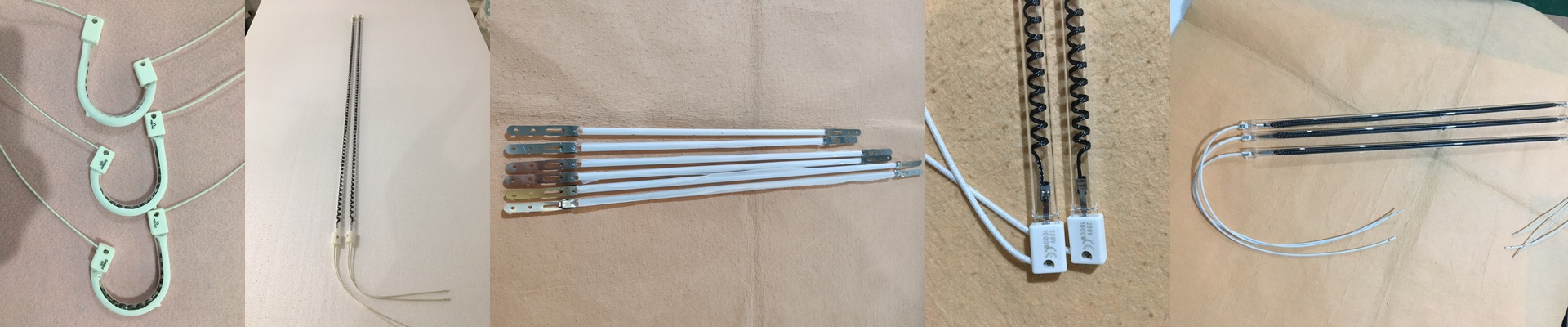
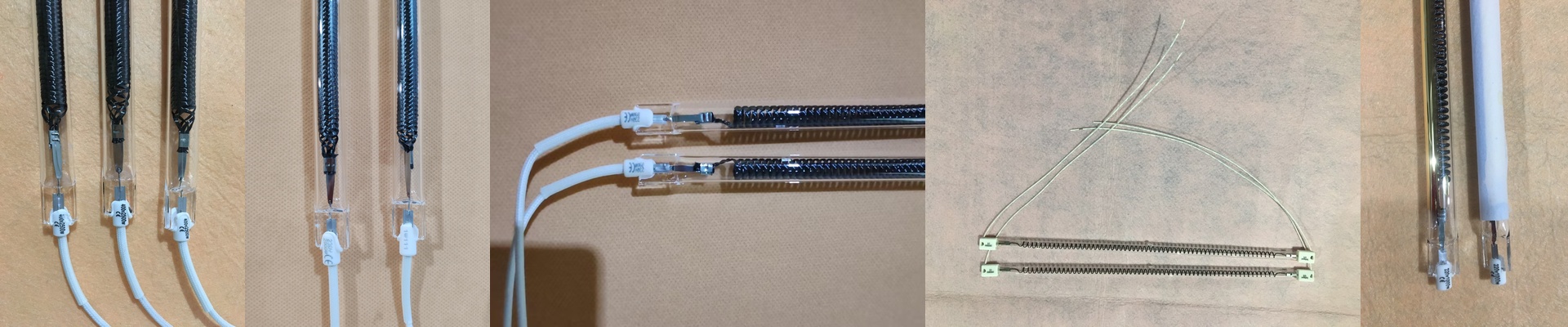
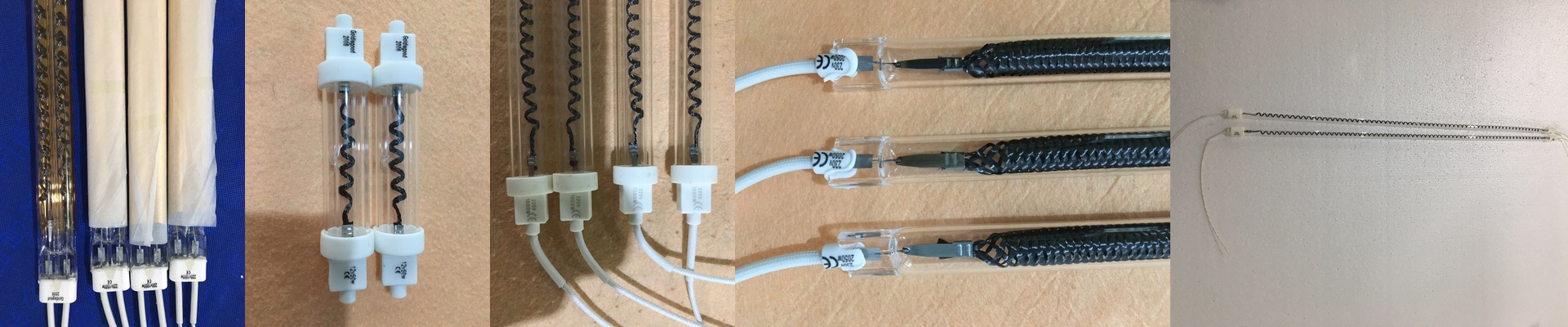
Here’s the thing about cheap lamps: they can’t handle the grind. Over time, the filament starts to sag. Once that happens, your heat distribution goes sideways, and your wattage isn’t flat anymore. We fix this by using industrial-grade quartz glass with specific doping. It keeps the filament locked in place. When the geometry stays put, the heat stays consistent. Simple as that. Then there’s the power supply. It has to match the lamp’s impedance perfectly. We build these modules to handle constant voltage without cooking the connectors. If your voltage ripples, your temperature swings. It’s a direct line.
Built for the Shop Floor
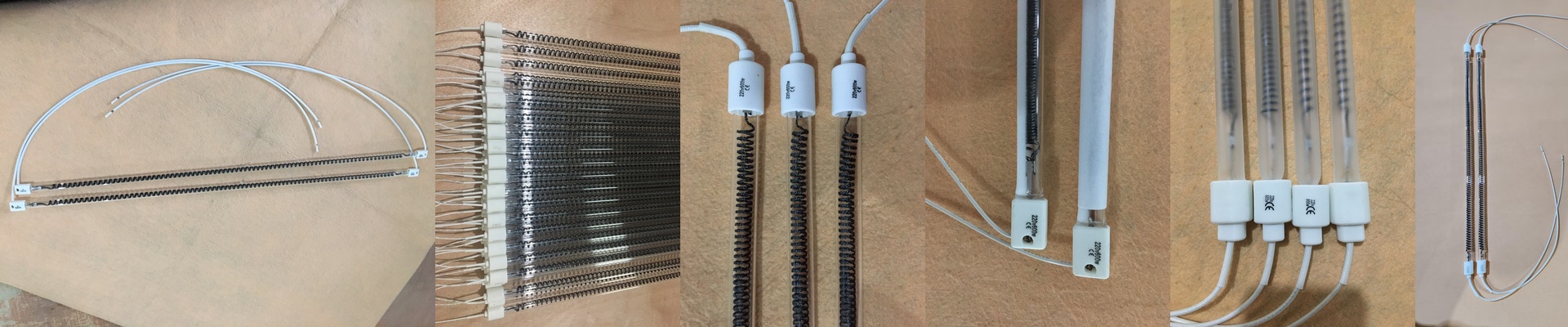
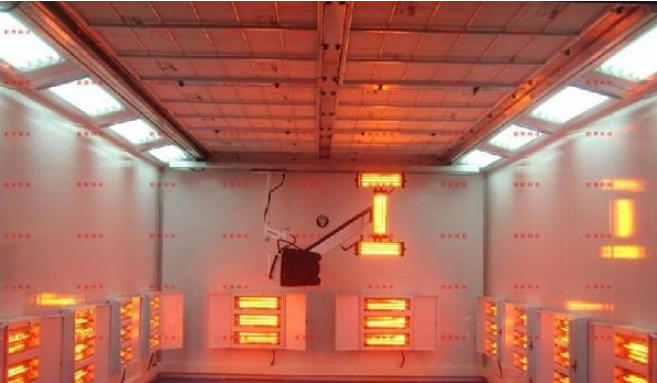
We know these things take a beating. That’s why the housing is designed to breathe, pushing ambient heat away so the electronics don’t fry themselves. We also use heavy-duty wiring and reinforced terminals. Why? Because a loose connection is usually the culprit behind those annoying “ghost” power drops that drive maintenance teams crazy. We stick with shortwave IR for a reason. It punches through the friction material much faster than medium or long-wave options. Plus, it lets you shrink the footprint of your curing tunnel, giving you a bit more breathing room on the floor.
The Balancing Act: Heat vs. Cooling
High-wattage modules give you the heat density you need to keep production moving fast, but they dump a ton of waste heat into the machine frame. You can’t just plug them in and forget about them. You’ve got to make sure your fans and vents are actually up to the task, or you’ll burn out your control boards way too soon. Keep the airflow clear. Keep the terminals tight. That’s the secret to hitting 24/7 uptime without the midnight emergency calls.