Getting a Handle on Carbon Infrared Heaters
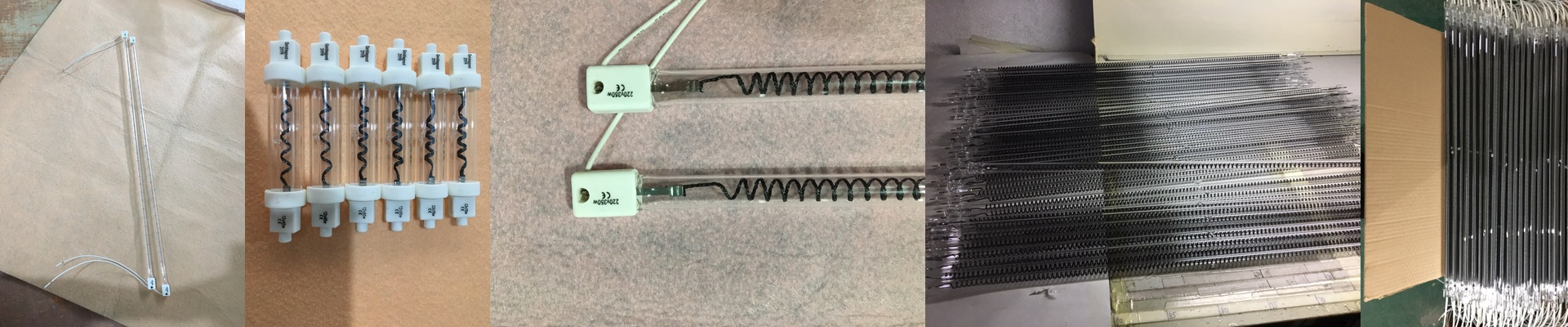
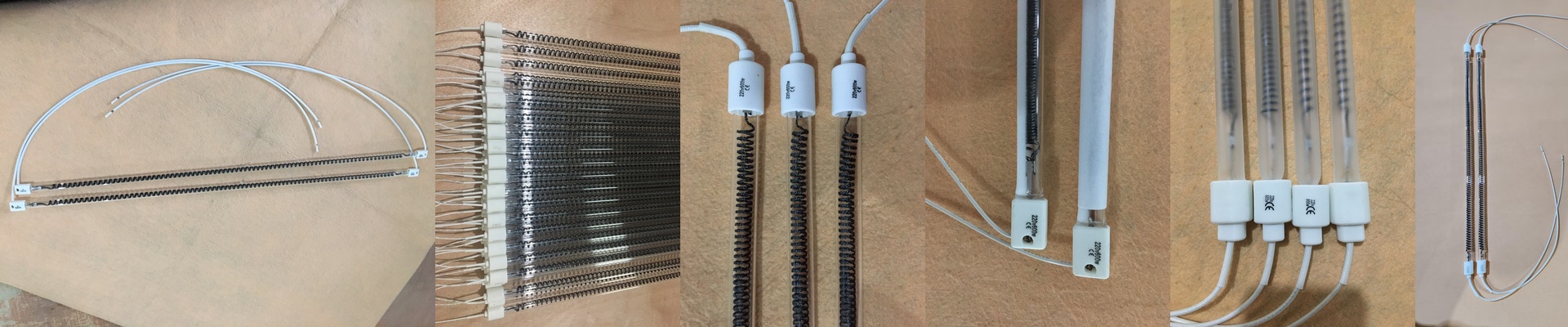
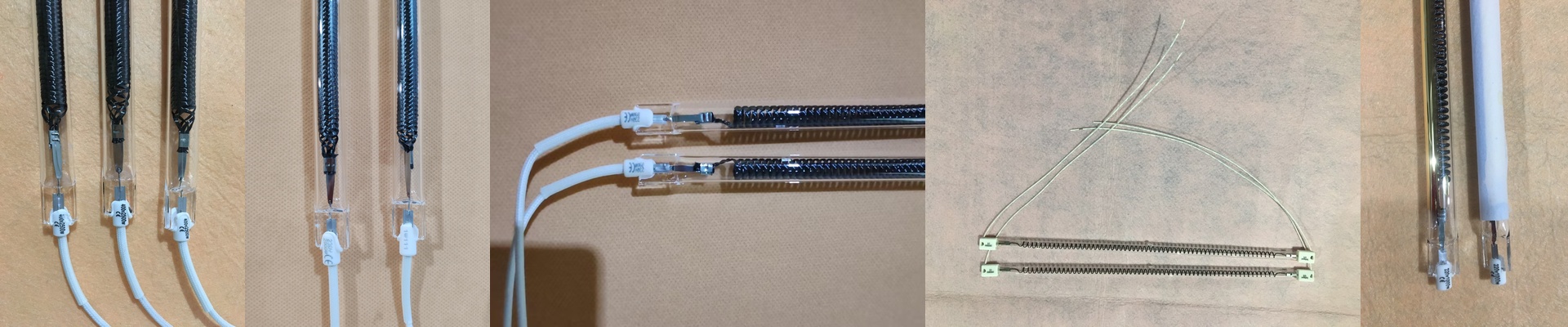
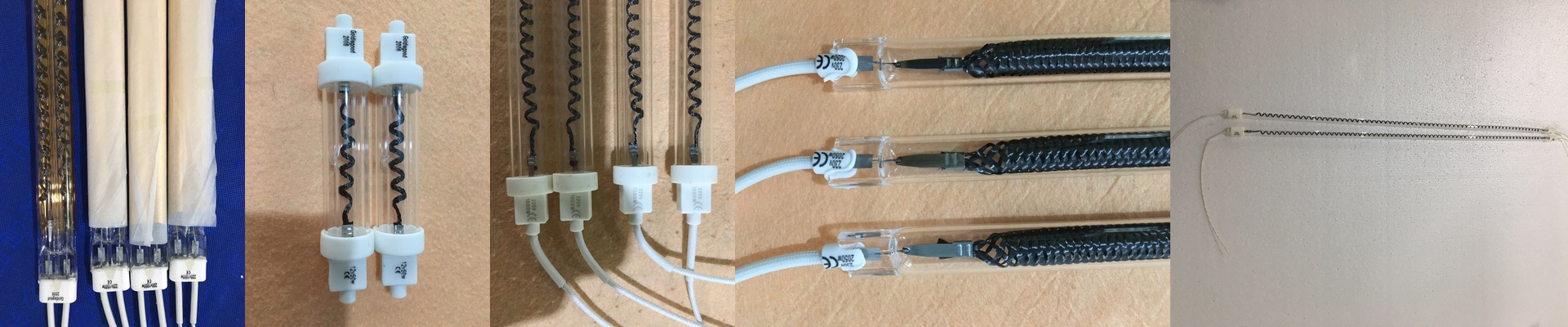
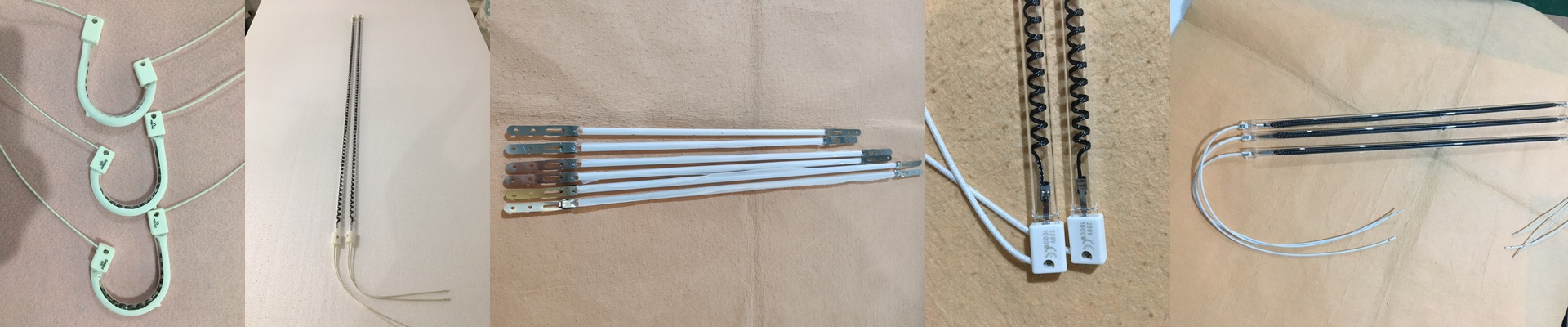
Ever wondered why some heaters just feel… faster? It’s all in the guts. Instead of your typical metal wires, these lamps use a carbon fiber filament tucked inside a quartz tube. Because carbon can handle a lot more current, they heat up almost instantly. Plus, the kind of heat they put out actually sinks into your materials rather than just sitting on the surface. Talking Power and Heat When we’re picking out a lamp for your setup, it really comes down to how much heat you need in a specific spot. If you’re doing something like PET blowing or curing paint, you need high wattage. It’s all about that density. But here’s the catch: you have to get your voltage exactly right. If it’s off, you’re either going to get a weak glow or—more likely—you’ll pop the lamp the second you flip the switch. And a heads-up: these things gethot. Seriously hot. Make sure your cooling system can keep up, or you’ll end up with warped reflector housings, which is a mess nobody wants to deal with. The Build and the Fit We use quartz glass because it doesn’t melt under pressure and lets the infrared light pass right through. Sometimes we add a coating to the glass to tweak the heat spectrum, which is great if you need to hit a specific depth in your material. As for plugging them in, we stick to the basics like R7s or Sk15 connectors. They just work. They slide right into most industrial ovens, fit tight, and keep the electricity flowing smoothly so you don’t get any nasty arcing at the terminals. What to Watch Out For The best part? These lamps take up hardly any space and they’re ready to go the moment you turn them on. No waiting around for a heating element to “soak” or warm up. But there is a trade-off. Carbon filaments are a bit more delicate than those chunky stainless steel heaters. They don’t love being shaken. If your machine vibrates a lot, do yourself a favor and use dampened mounts. It’ll keep your lamps from snapping and save you a lot of money in the long run.