The Secret to Keeping Pizza Actually Hot
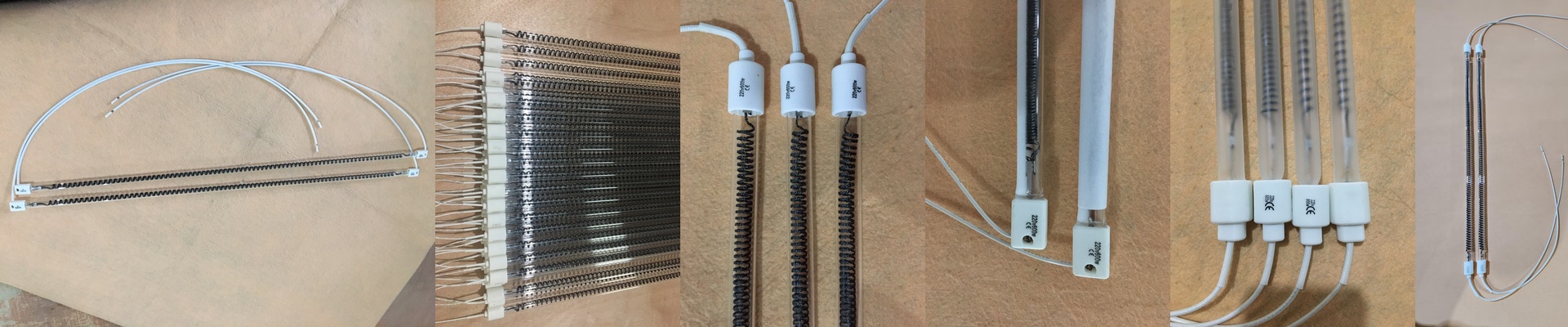
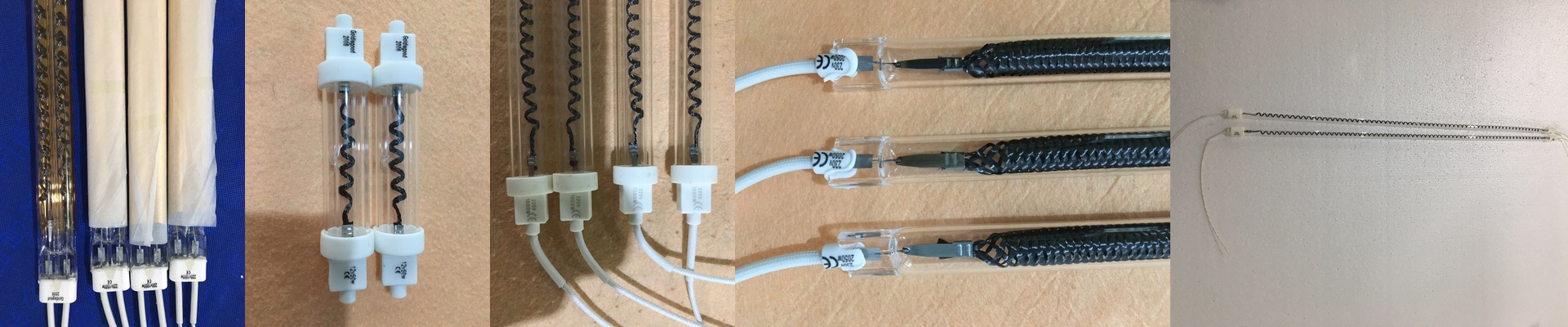
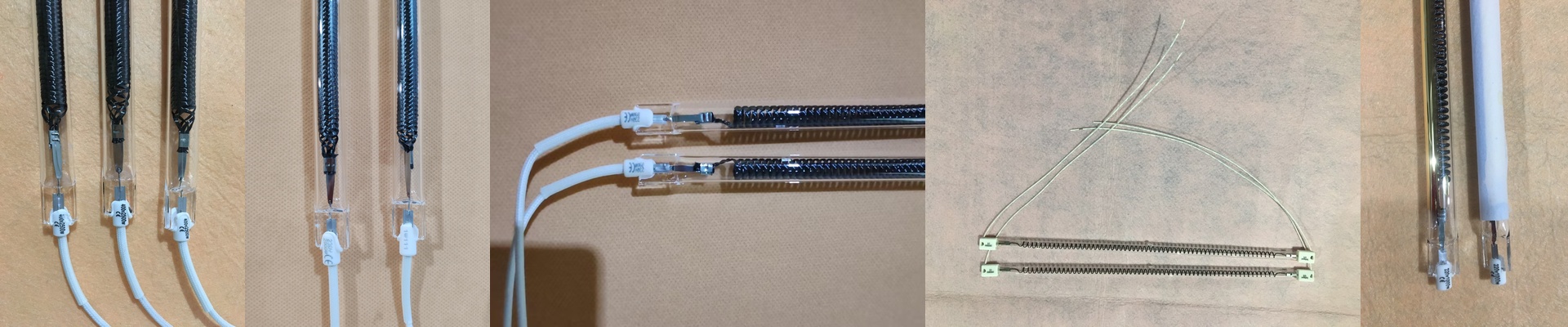
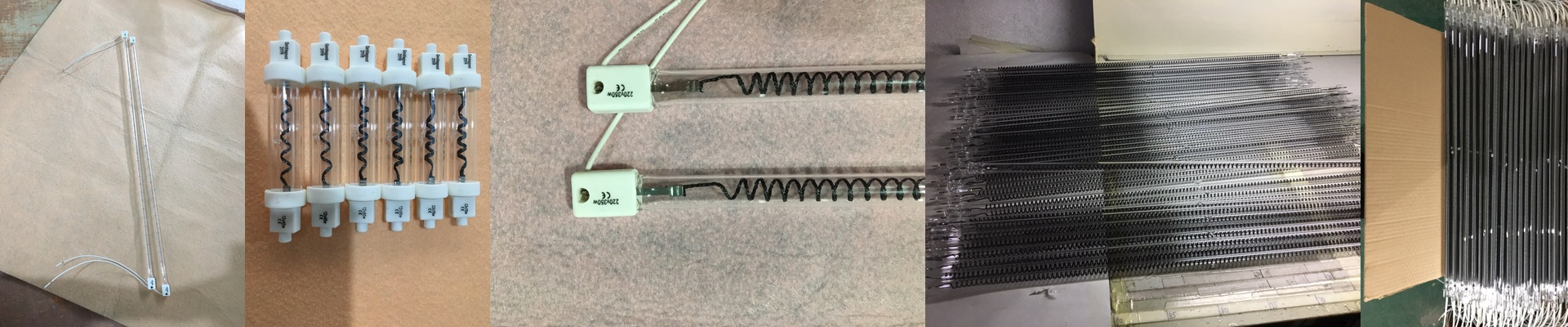
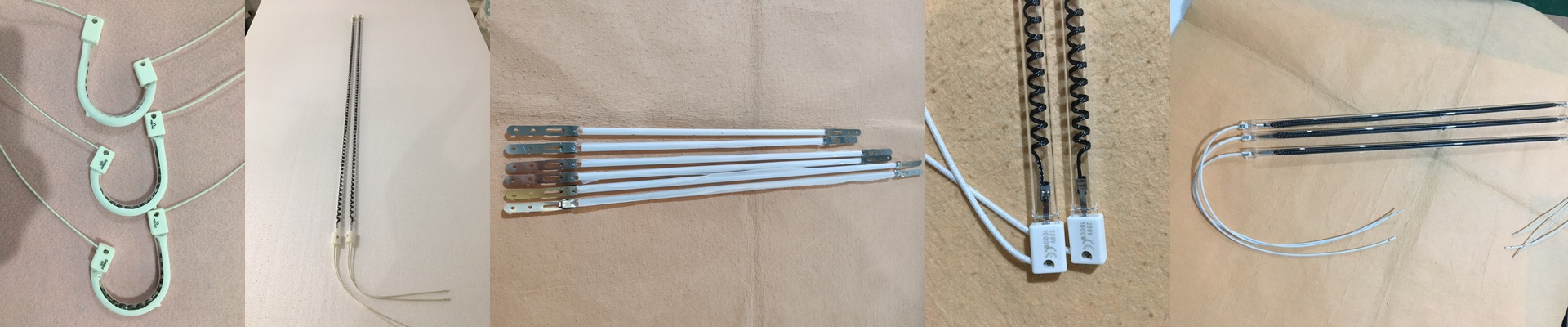
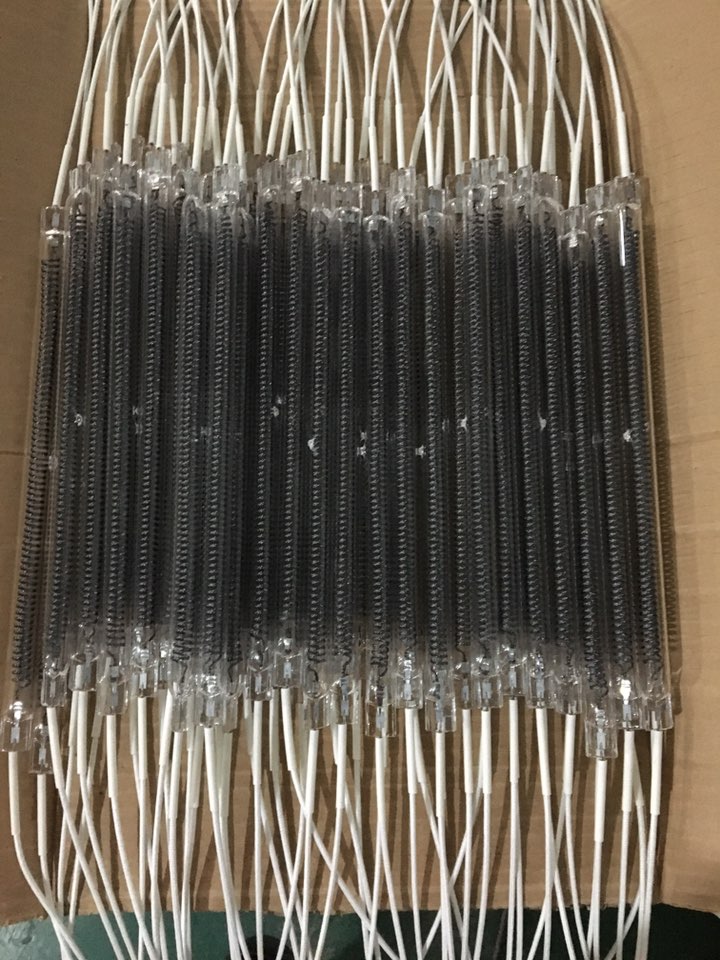
Let’s talk about carbon fiber heating lamps. If you’ve ever dealt with those old-school halogen tubes, you know the struggle. They often hit one spot too hard while leaving the rest of the food lukewarm. We do things differently. By using a carbon filament tucked inside a quartz tube, we get this shortwave infrared heat that spreads out evenly. It’s a lifesaver for pizza warming stations. You get that perfect, crispy crust temperature, but the toppings don’t turn into leather. Why it actually works The magic is in the carbon-fiber composite. It lets us pack a ton of power into a tiny space. And it’s fast. Like, really fast. The lamp hits its operating temp in a few seconds, so you aren’t wasting power or waiting around for a long pre-heat cycle. You just turn it on and get to work. Getting it set up We wrap the filament in high-purity quartz glass because it can handle the stress. You can flip the power on and off rapidly and the glass won’t crack from the thermal shock. Most of these are basically drop-in replacements for your standard R7s or linear sockets. The wiring is a breeze. Just one heads-up: make sure your voltage regulators match the lamp’s wattage. If they don’t, you’ll burn through your filaments way faster than you should. A few things to watch out for Here’s the thing: these lamps put out some serious heat. Since the heat density is so high, your housing and chassis are going to take a bit of a beating. You’ll want to make sure your ventilation is on point or use some decent heat shielding. If the air can’t move, the heat builds up in the lamp head and starts eating away at your electrical connectors. My advice? Give your contact points a quick check for oxidation every six months. It takes two minutes and saves you from annoying voltage drops down the road.