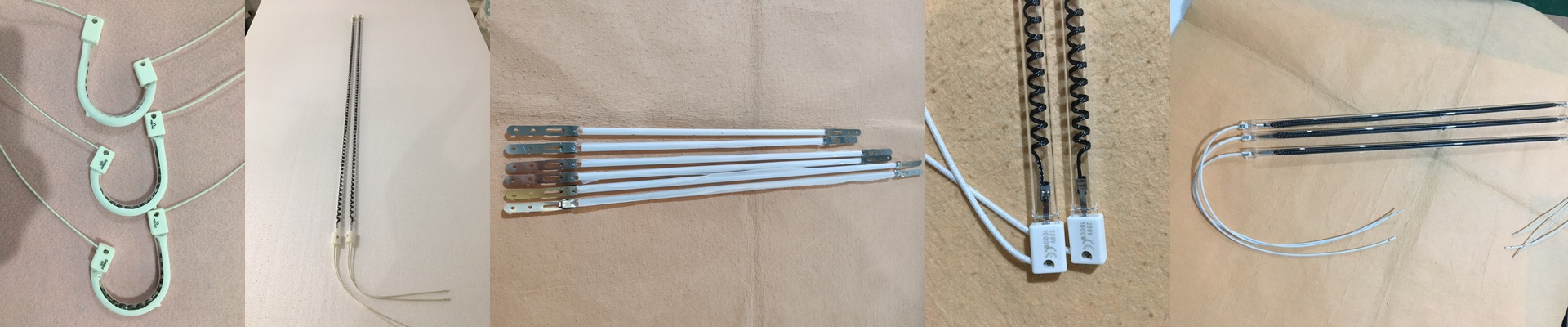
Why we use carbon fiber for fast heating
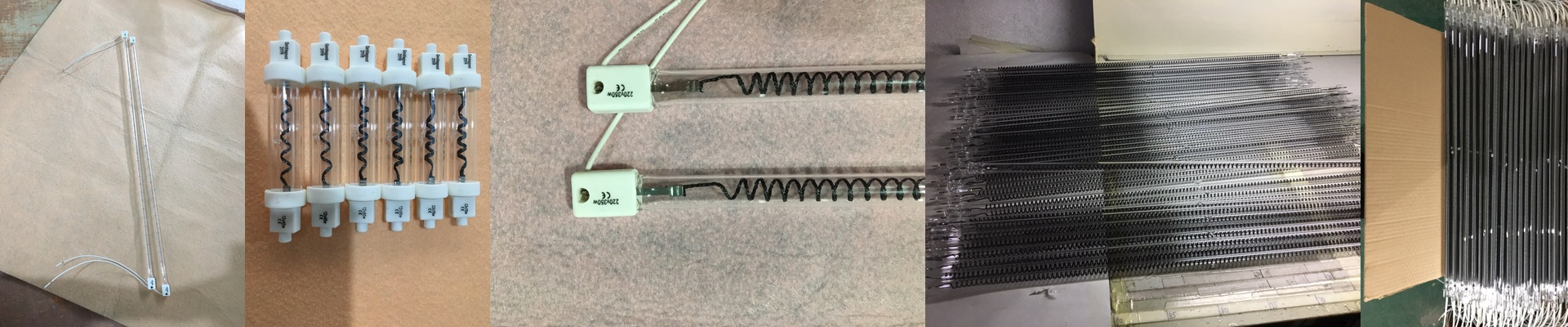
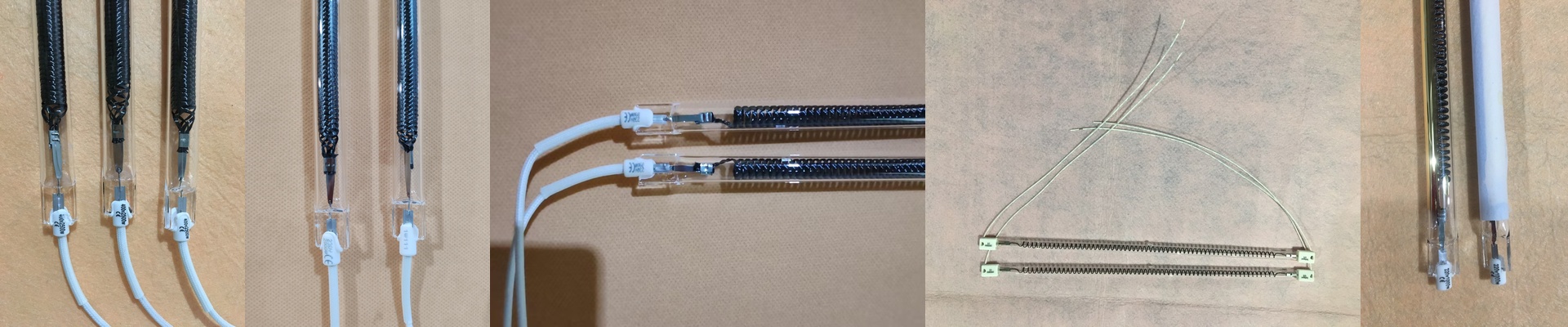
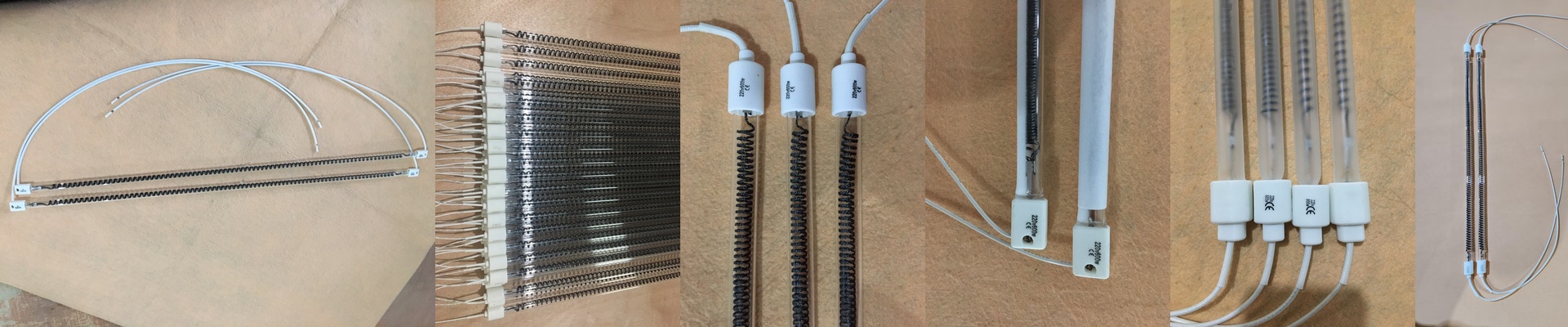
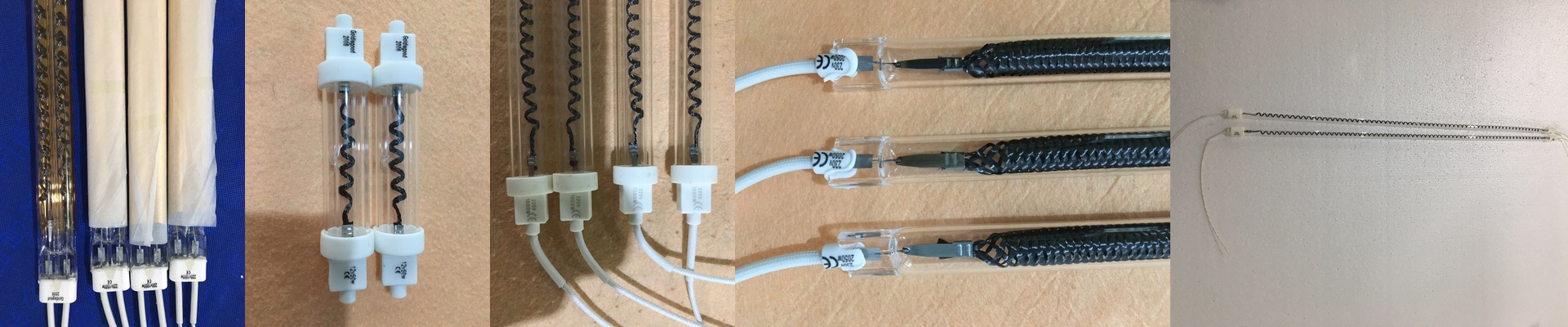
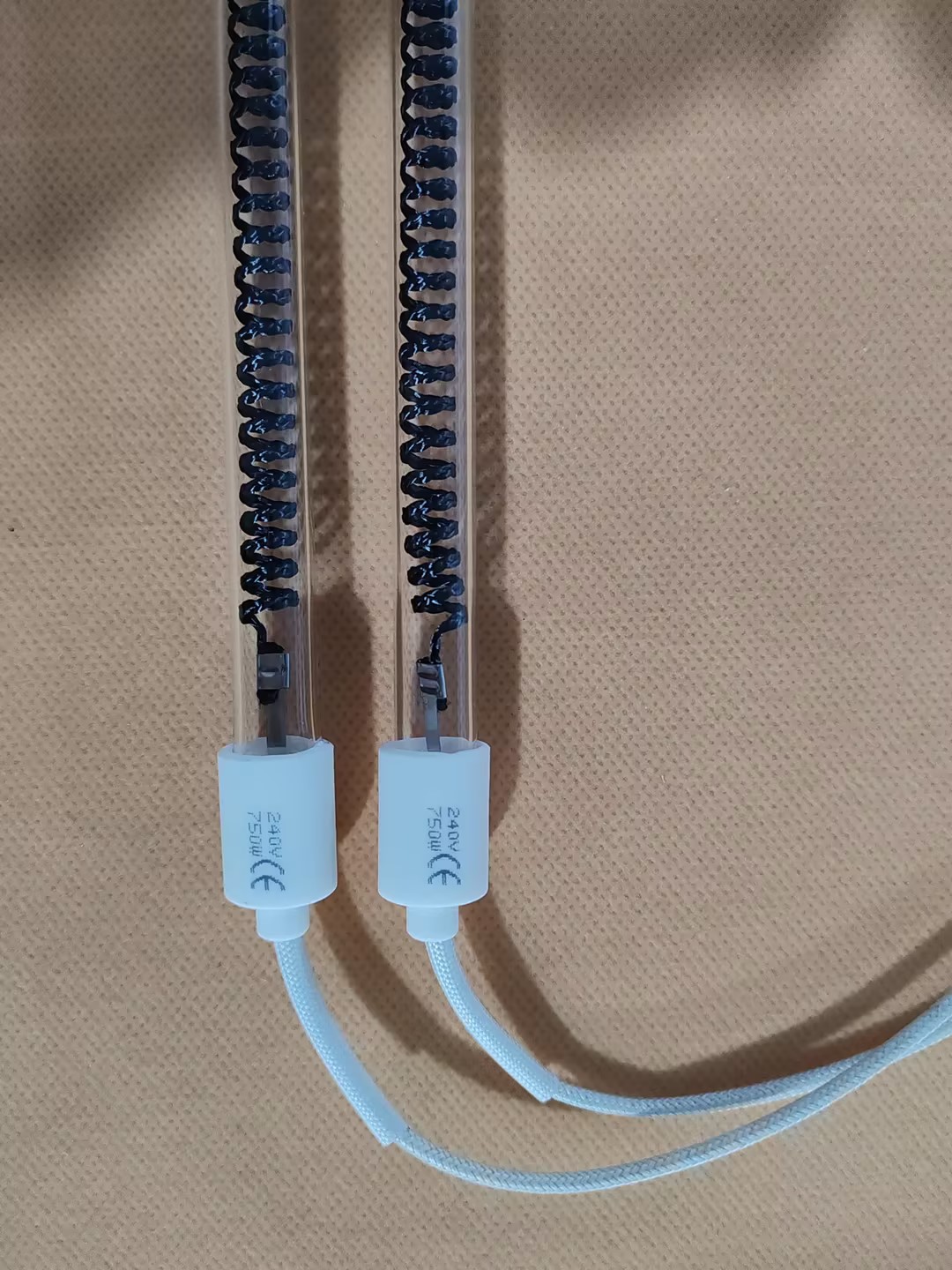
Look, sometimes standard metal coils just can’t keep up. If you need to hit a specific temperature right now without waiting around, that’s where carbon fiber comes in. Unlike nichrome wire, carbon fiber doesn’t struggle to get moving. It handles electricity differently and puts out a ton of infrared radiation. The result? It hits your target temp almost instantly. The speed factor The real magic here is how it handles power. We can push a lot of current through these elements without them just burning up. It cuts out that annoying “warm-up” lag you get with ceramic or metal heaters. It’s fast. Really fast. And because the heat is so focused, you can tuck the heater right up against your workpiece without accidentally baking your entire machine chassis. How we actually build them Heating things up this quickly puts a lot of stress on materials. Most thin metals will warp or bend under that kind of pressure, but carbon fiber stays put. Depending on your setup, we usually wrap these in high-temp insulating sleeves or quartz envelopes—basically, it depends on if you need the heat to touch the part or just radiate toward it. One quick tip: if you’re wiring these into a PLC system, double-check your Solid State Relays (SSRs). Carbon fiber’s resistance shifts as it gets hot, so you need to make sure your relays can handle that initial surge of power. The trade-offs (because nothing is perfect) Here’s the catch. This kind of speed makes the elements a bit temperamental. They hate voltage spikes. If you accidentally push the voltage up by even 5% or 10%, you might actually snap the fiber filaments. It’s a delicate balance. You’ll want precise voltage regulation to keep them from dying early. I also highly recommend using a fast-response thermocouple. If your PID loop is too sluggish, the fiber will blow past your target temp before the sensor even realizes it’s happened. That’s a quick way to shorten the lifespan of your heater.