A Real-World Look at Quartz Carbon Heating Tubes
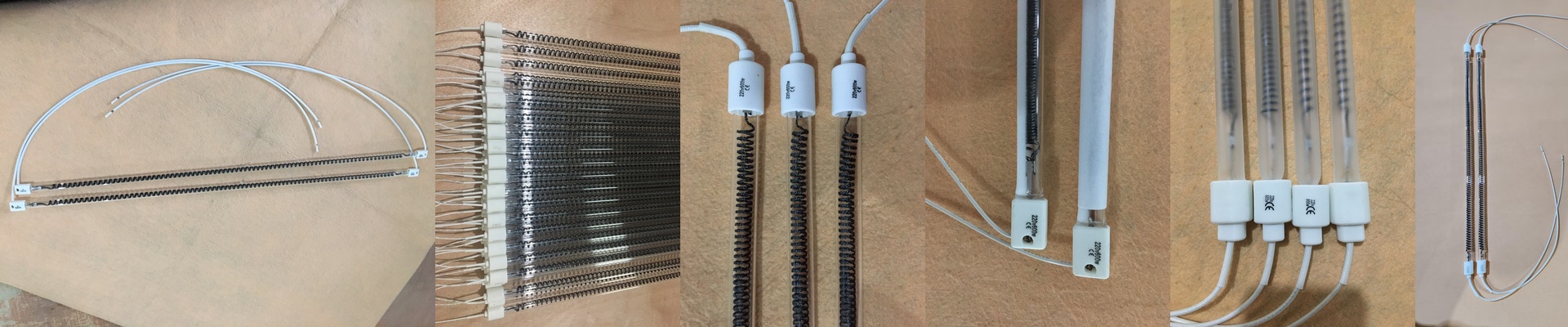
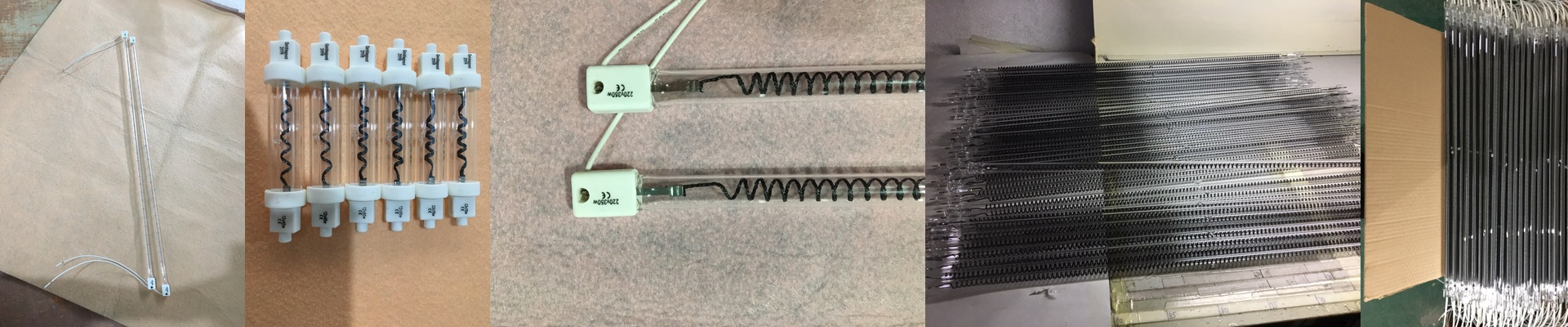
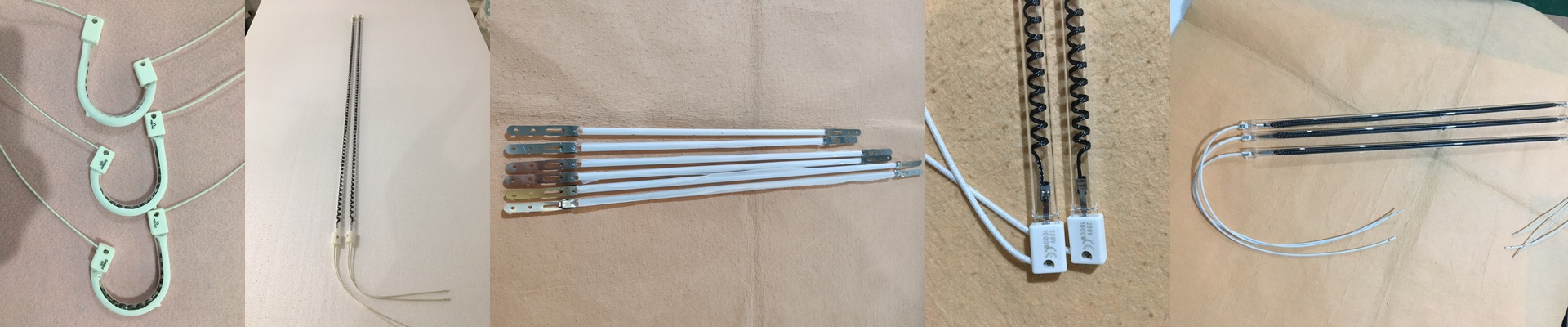
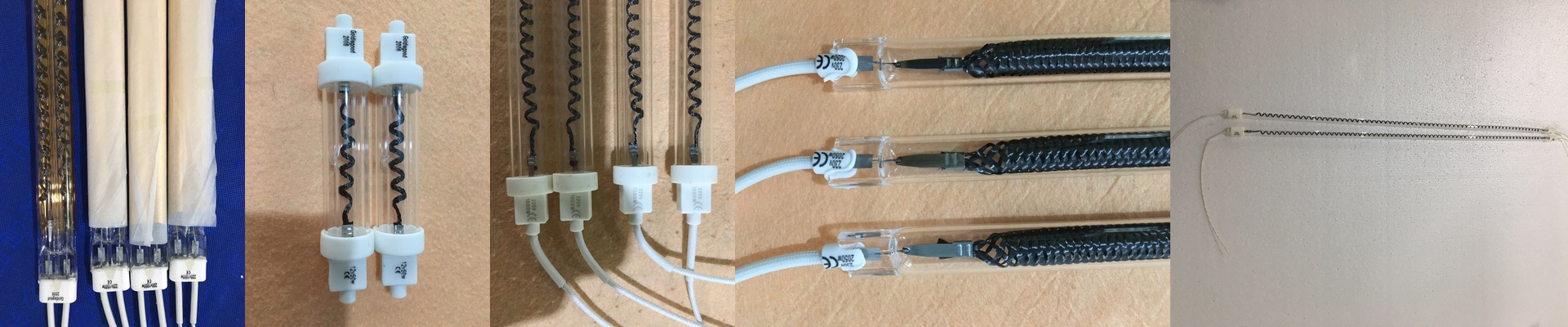
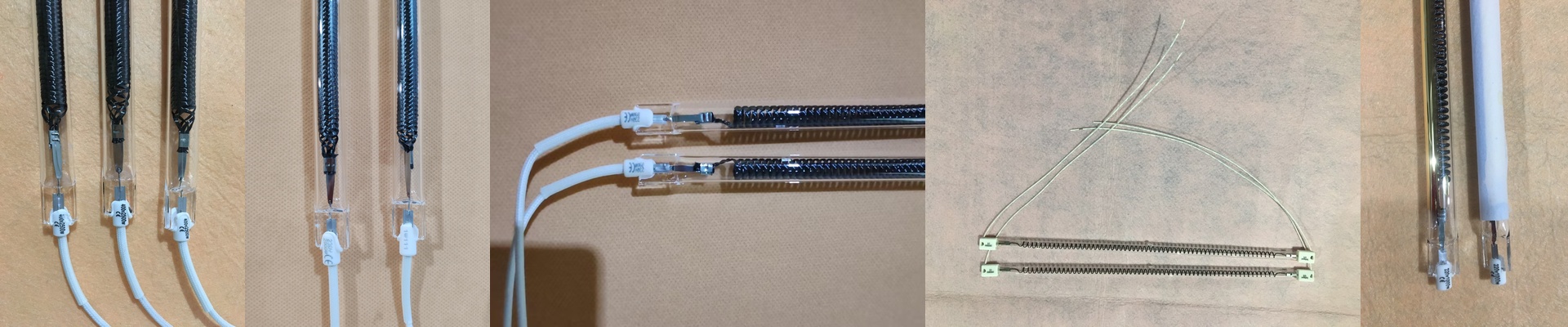
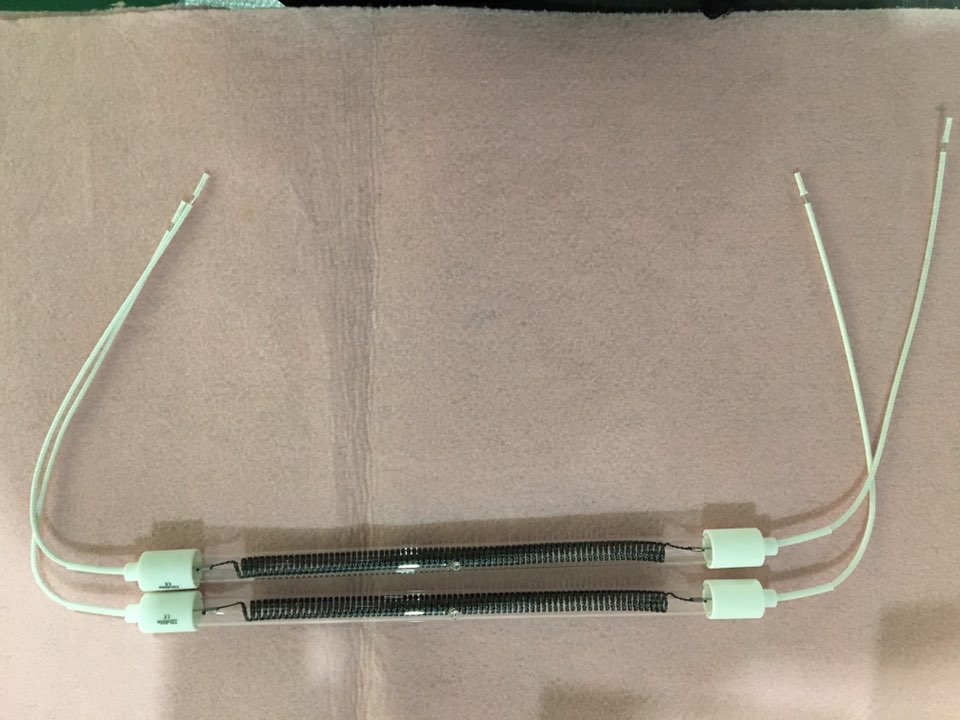
So, let’s talk about quartz carbon heating tubes. At their core, these are just carbon filaments tucked inside a high-purity quartz shell. We build them for the jobs where you need heat—and you need it now. The cool thing about carbon is that it doesn’t need to get nearly as hot as old-school metal filaments to pump out a ton of infrared energy. This is a huge win because your tubes aren’t fighting to stay straight under heavy loads. They just work. Getting the power right When we’re figuring out the specs for your machine, it all comes down to how much heat you actually need in a specific spot. If we bump up the voltage, we can cram more wattage into a smaller space. It makes the heat more intense. But here’s the catch: your power supply has to be rock solid. If you get voltage spikes, you’ll fry that carbon filament in no time. Also, take a quick look at your housing. If you’re pushing a lot of heat, make sure there aren’t any plastic parts nearby that might melt or reflectors that could get ruined. The nitty-gritty on materials The quartz glass does two things. It keeps the filament from oxidizing (which would kill it) and it acts as a thermal shield. We often add special coatings to the glass to change how the heat travels, which helps it soak deeper into whatever material you’re working on. For the connections, we usually stick with R7s or Sk15 bases. They’re pretty much the industry standard, so they should slide right into your existing setup. More importantly, they create a tight seal. You don’t want electrical arcing at the terminals when you’re drawing a lot of current—that’s a headache nobody needs. Using them on the floor You’ll see these all over the place in PET bottle blowing or plastic film shrinking. Why? Because they ramp up almost instantly. When you change the power, the carbon reacts immediately. That gives you a level of control over your temperature that’s hard to beat. Just a heads-up: quartz is fragile. It’s glass, after all. If your machine shakes too much or someone bumps a tube during a changeover, it’s going to crack. And please,wear gloves. It sounds overkill, but the oils from your skin leave fingerprints that create “hot spots.” Those little spots are usually where the tube fails first. Keep them clean, and they’ll last a lot longer.