Keeping Your Brake Pad Curing Lines from Acting Up
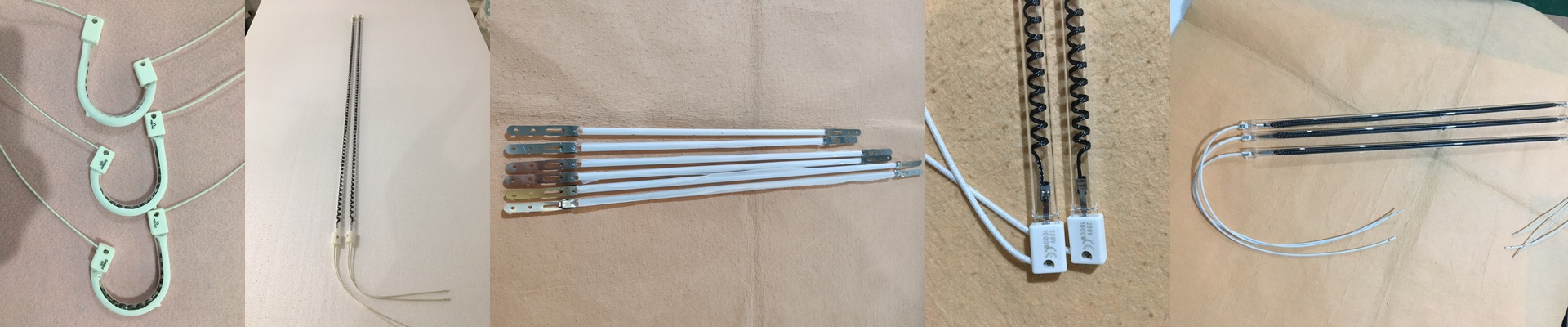
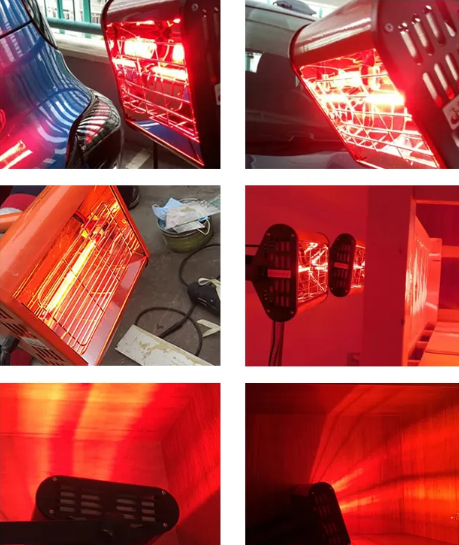
If you’ve ever dealt with brake pad production, you know the headache. If that friction material doesn’t bond perfectly to the backing plate, you’ve got a problem. It all comes down to heat. But not just any heat—it has to be steady. We build our infrared modules to handle the grind of a 24-hour cycle without those annoying power dips or thermal drifts that ruin a batch.
Dealing with Power and Voltage
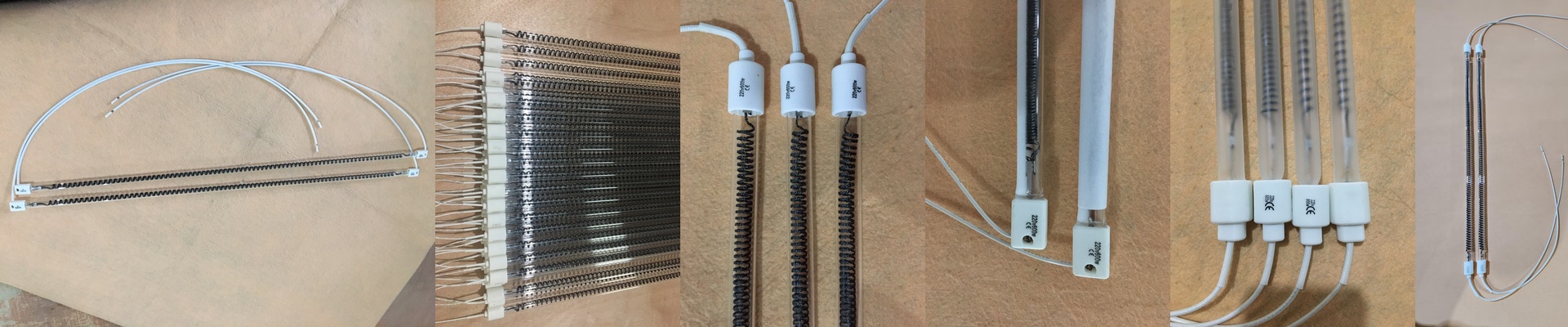
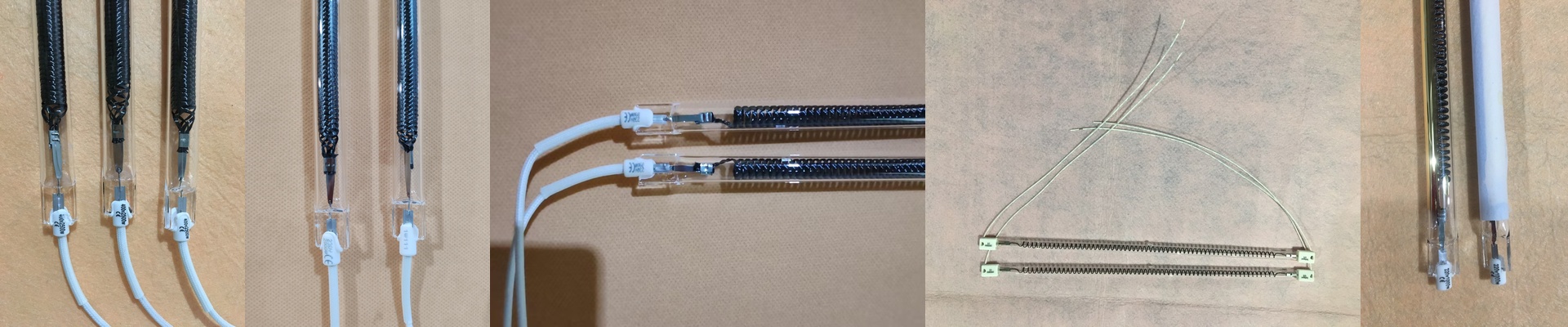
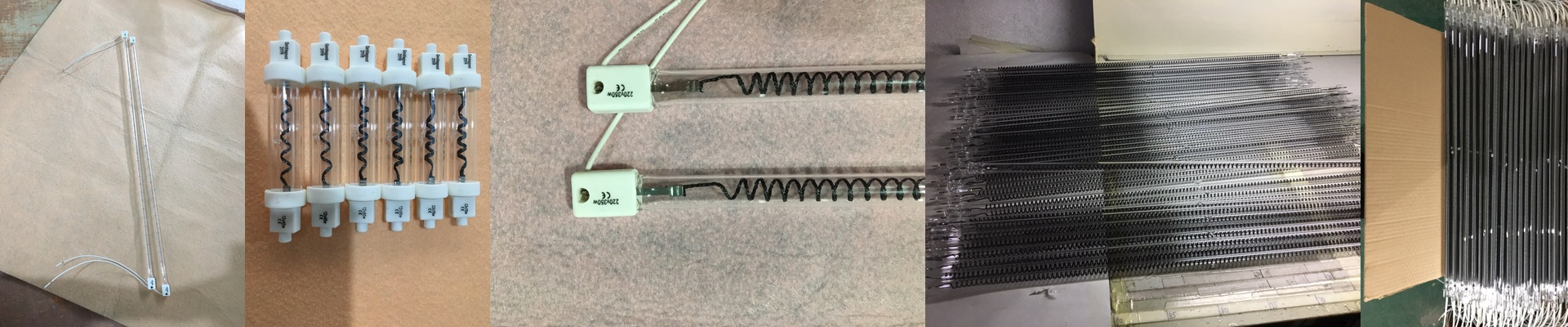
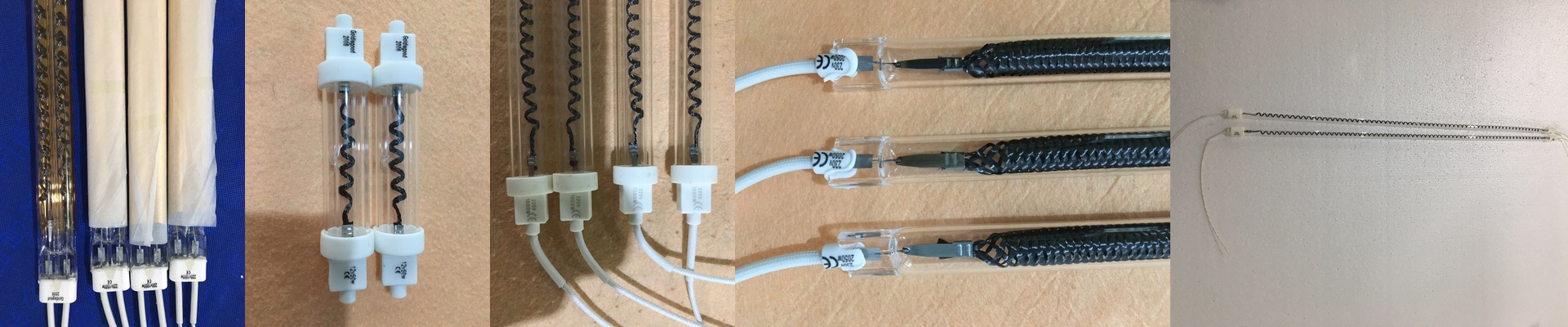
Here’s the thing: power fluctuations are a nightmare. To stop them, we don’t just guess. We spec every module based on exactly how fast your conveyor is moving. We use high-wattage shortwave emitters because they hit the target temp in seconds. Fast. Really fast. And we don’t mess around with cheap transformers that cause voltage drops. We match the voltage directly to your plant’s grid. If you’re running a heavy 400V setup, you need beefy contactors in your control cabinet. If you use low-grade switches, they’ll just arc and burn out under the pressure of a 24/7 shift. It’s as simple as that.
Choosing Gear That Actually Lasts
We use quartz glass with specific coatings to tune the wavelength. Why? Because you want the heat to soak deep into the pad, not just scorch the surface and leave the middle cold. But the real killer is usually the connections. That’s where most lines fail. We stick with reinforced R7s or Sk15 bases to keep the electrical fit tight. A loose connection creates a hotspot. A hotspot kills your lamp. By tightening the tolerances on the housing, we stop the wires from wiggling loose as the metal expands and contracts from the heat.
The Trade-off: Heat vs. Hardware
Now, there’s a catch. These modules put out a massive amount of heat, and your machine frame is going to feel it. The chassis takes a beating from all that radiant energy. You’ve got to make sure your cooling fans and heat shields can actually handle the BTU output. If you skimp here, you’ll end up with warped conveyor rails. It’s a balance. When you keep the hardware cool, the power stays flat. That’s how you get through a full production shift without a single flicker.