
How to stop your brake pads from cracking and bubbling
If you’ve ever pulled a batch of brake pads out of the oven only to find them riddled with tiny holes or weird surface cracks, you know the frustration. It usually comes down to one thing: the heat ramp. If the temperature jumps too fast or hits the pad unevenly, the material stresses out. That’s how you end up with thermal cracking and porosity. We’ve found that shortwave infrared (IR) lamps are the way to go here. Instead of just heating the air, they put the heat exactly where it needs to be—right on the surface of the material.
Avoiding the “Skin Effect”
Here is the problem: if the outside of the pad cures before the core does, you get a “skin.” This traps moisture and gas inside, which then fight their way out, leaving those annoying pores in your finished product. To fix this, don’t just blast it with heat. Try a stepped approach. Start with low-intensity IR to gently drive out the moisture first. Once that’s done, ramp up to your full curing temperature. It keeps the material from expanding too violently and splitting apart.
The Hardware Side of Things
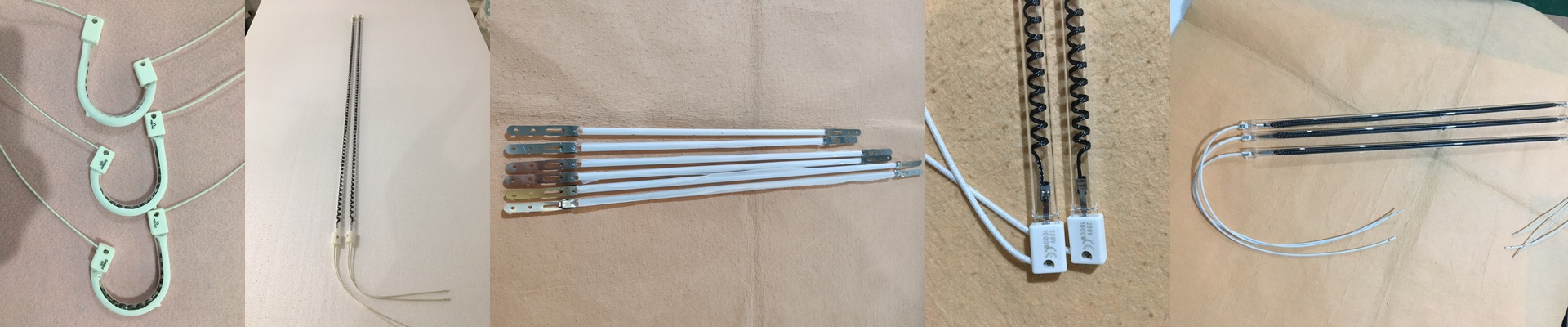
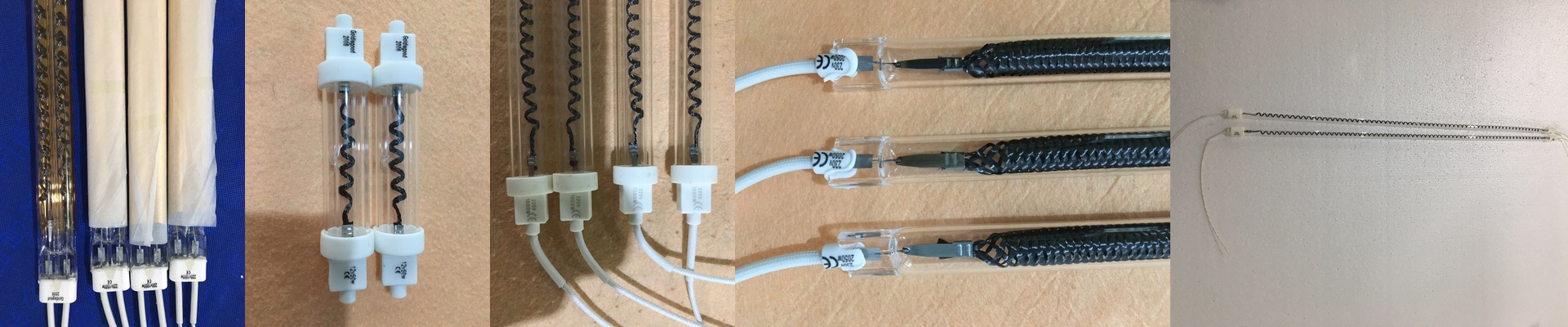
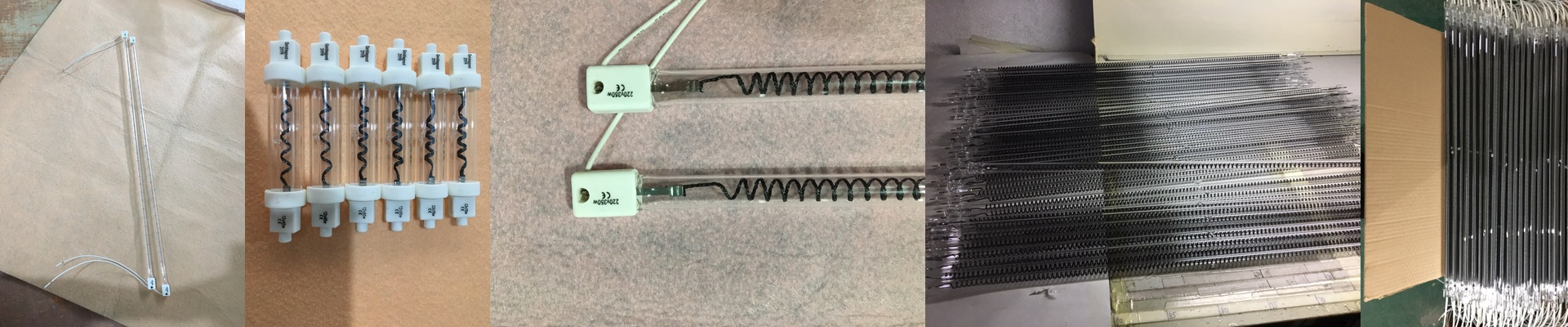
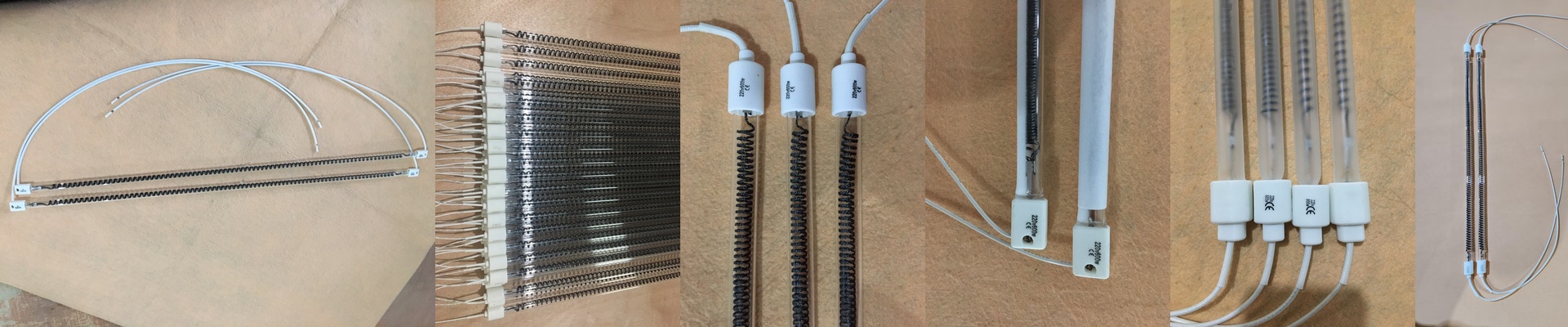
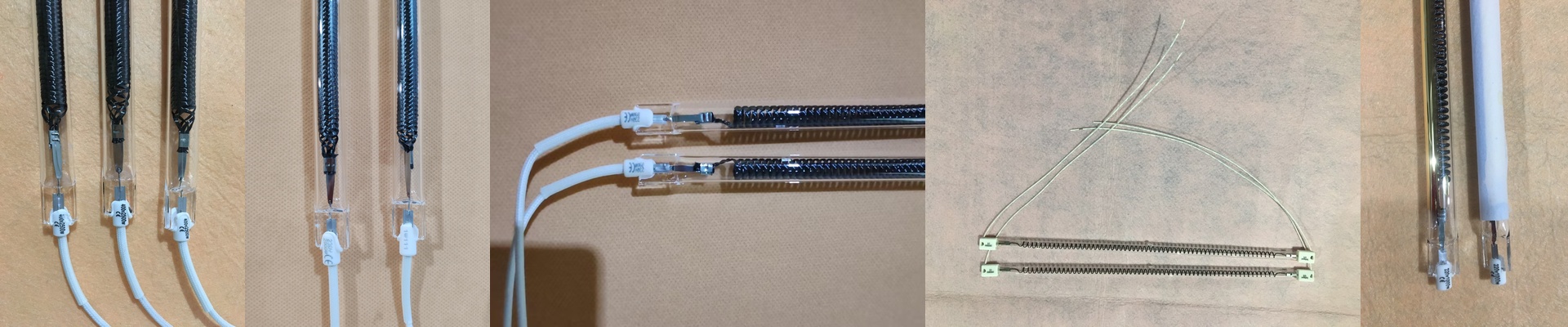
You need a lot of power, but you don’t want to melt your conveyor or the jigs. That’s why high-density quartz lamps are so useful. They pack a massive amount of wattage into a tiny footprint. But be careful with your settings. You have to match the voltage and wattage to the actual mass of the pads you’re running. Sure, a higher wattage lamp gets you to temperature faster, but if your line speed isn’t dialed in perfectly, you’re just going to scorch the surface.
The Trade-offs (And the Gotchas)
IR is fast. Really fast. And while that’s great for your cycle times, it means there’s very little room for error. Your sensors have to be spot on. If a lamp burns out or a sensor starts to drift, you’ll start seeing “cold joints” or under-cured spots in the friction material. It’s a nightmare to catch after the fact, so I always suggest using a redundant sensor array. It catches those drops in real-time before you ruin a whole shift’s worth of parts. One last thing: don’t cheap out on the wiring. Standard insulation will melt under that kind of radiant heat. Use silicone-jacketed leads. Trust me, it’s much better than having your system short out in the middle of a 24/7 run.