Getting the Heat Right: How We Set Up IR Lamps for Brake Pads
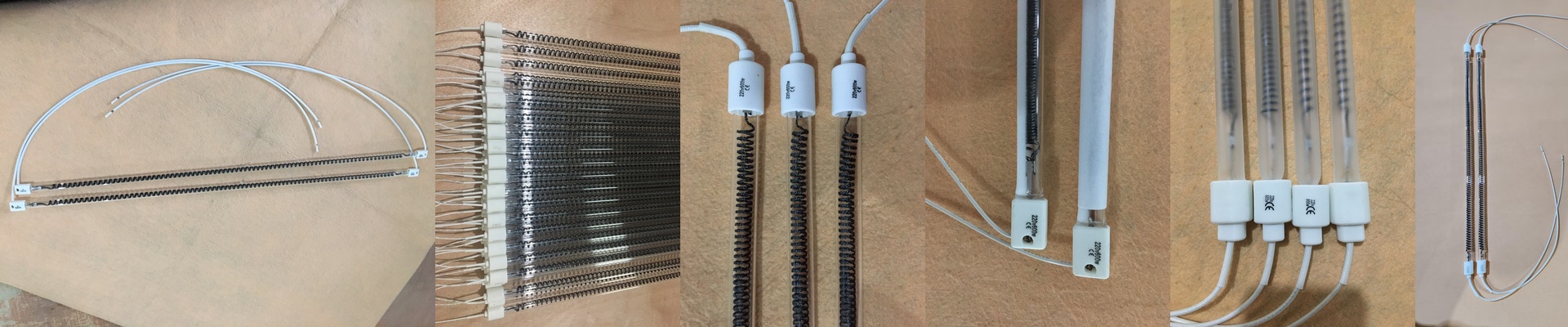
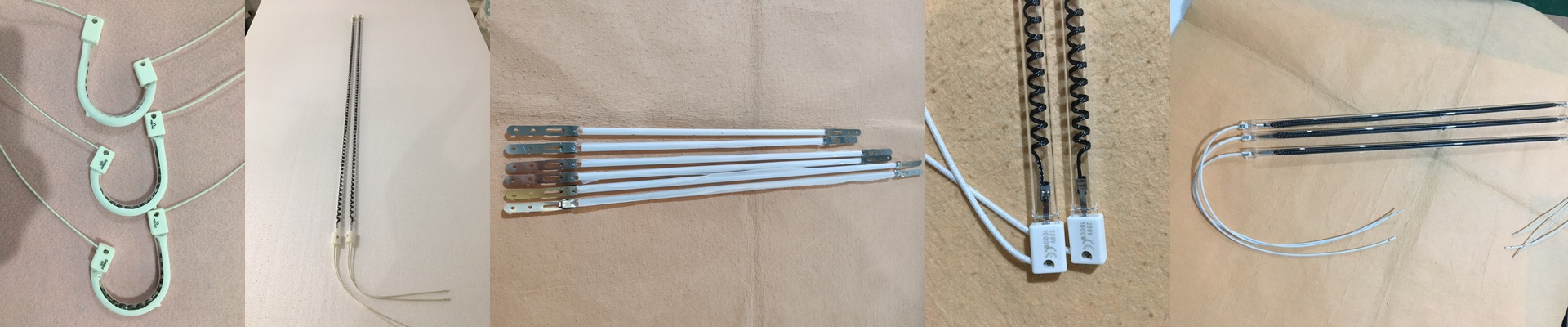
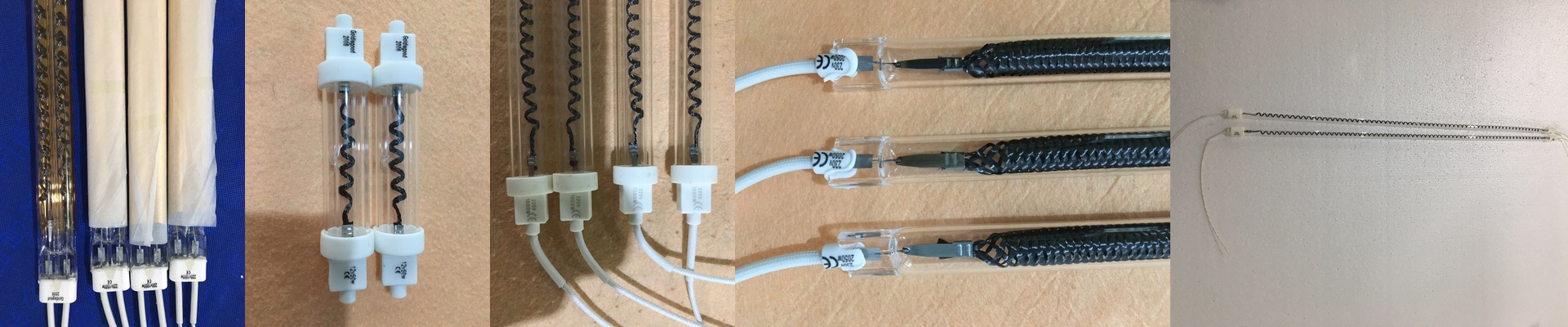
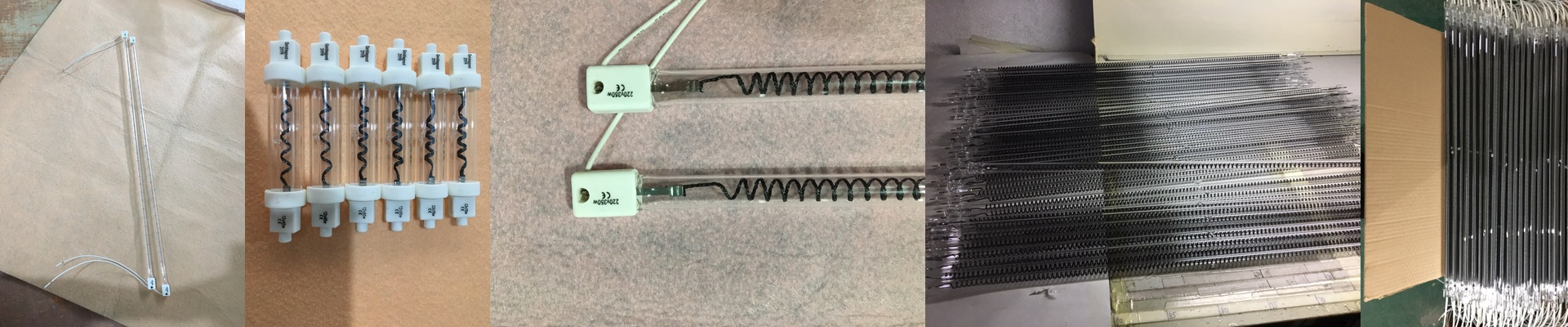
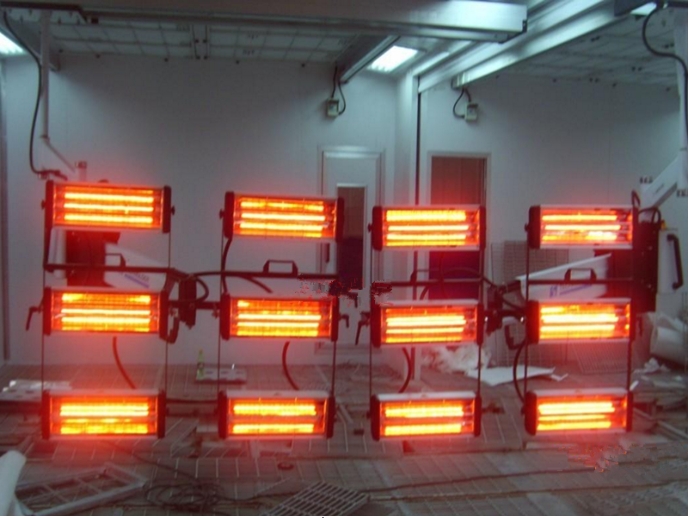
If you’re running a coating oven for brake pads, you know the struggle. You need the coating to stick perfectly, but if you push it too hard, you risk scorching the friction material. It’s a delicate balance. When we build custom heating walls, we don’t just toss the lamps in and hope for the best. We spend a lot of time obsessing over the vertical spacing. Why? Because a motorcycle pad and a heavy-duty truck pad are completely different animals. The problem with “even” spacing Here’s the thing: if you use a standard grid for every part, you’re going to have a bad time. You’ll end up with cold spots in some areas and burnt edges in others. We look at the actual shape of the pad and adjust the “pitch”—the gap between the lamp centers. We want the heat to hit the face of the part uniformly. We use shortwave IR because it digs deep into the coating. But if the lamps are too far apart, you get “striping.” Those are those annoying under-cured lines between the lamps that can ruin a whole batch. By overlapping the radiation cones, we make sure every millimeter is covered. The trade-offs (and the headaches) Now, you might think, “Why not just cram as many lamps in as possible?” Well, high-wattage quartz lamps put out a ton of heat. If you aren’t careful, you’ll cook your oven chassis. We use reflective backing to bounce all that energy forward toward the part, which keeps the oven walls from absorbing too much. Then there’s the power issue. More lamps mean a faster heat-up time, which is great for productivity. But it also means a massive draw on your electrical panel. You have to make sure your wiring can actually handle the current. Nobody wants to be dealing with tripped breakers in the middle of a shift. Making it easy to live with The last thing you want is a production shutdown because one lamp burned out. We design our walls for quick swaps. No tearing down the whole line, no hours of downtime. We use slide-in mounts and standard connectors so your team can just pop a new lamp in and get moving again in a few minutes. And since we keep the alignment tight, the new lamp hits the exact same focal point as the others. Your cure cycle stays consistent, and you can get back to work.