Getting Your IR Lamp Setup Right for Every Vehicle
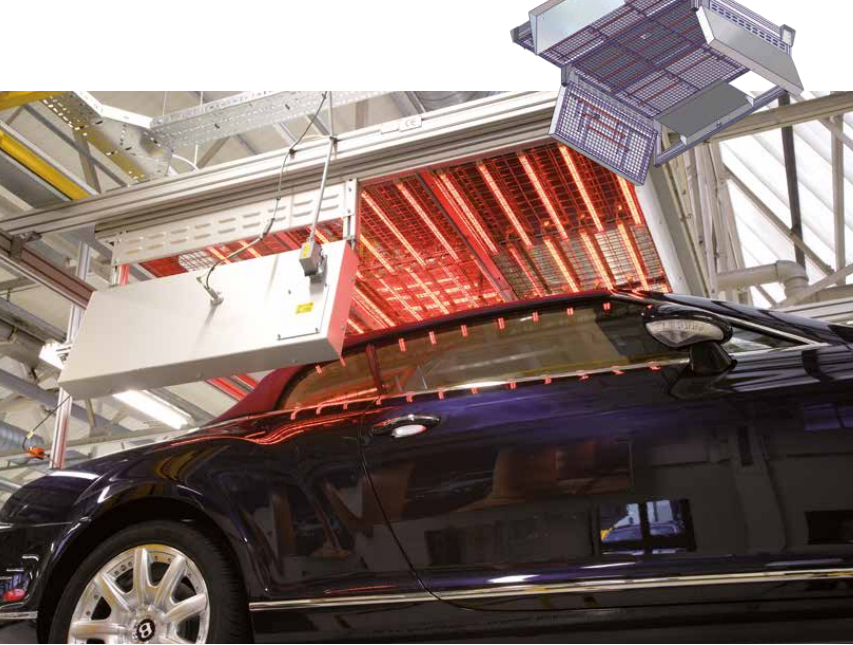
Ever try to use a standard heating wall for both a low-slung coupe and a massive SUV? It’s a nightmare. You either end up with a roof that’s still cold to the touch or you accidentally bake the paint right off the lower sills. The trick isn’t just adding more heat. It’s about where you put it. We fix this by tweaking the vertical spacing and wattage of the shortwave infrared (IR) arrays to actually fit the cars you’re working on.
Matching the Heat to the Shape
Spacing your lamps evenly is a rookie mistake. We look at the actual footprint of the vehicle to figure out where the heat needs to hit the hardest. For most cars, the mid-section is the priority. That’s where you need the most energy to push those solvents out of the primer and basecoat. So, we concentrate the thermal zone right in the middle and let the intensity taper off as you move toward the roof and the floor. It’s a simple tweak, but it means the roof actually cures without you scorching the chassis.
The Hardware Trade-off
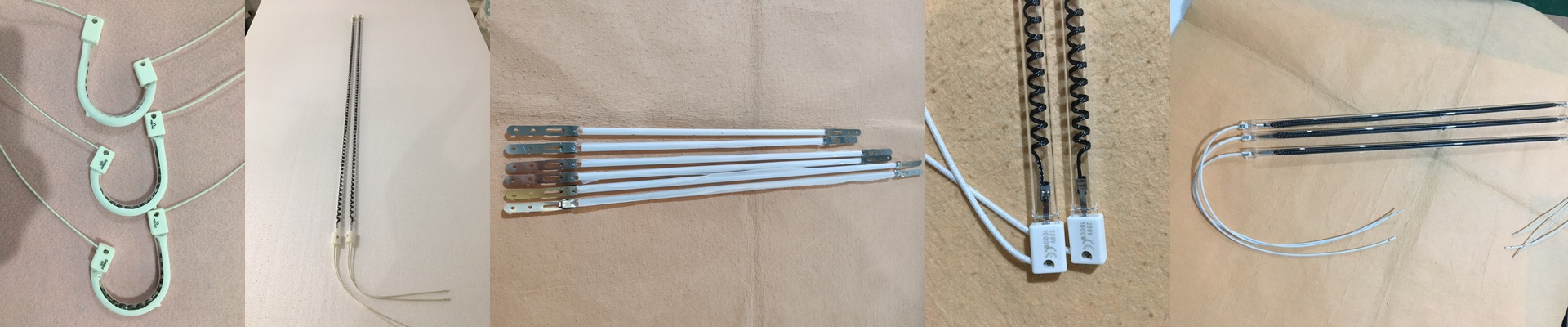
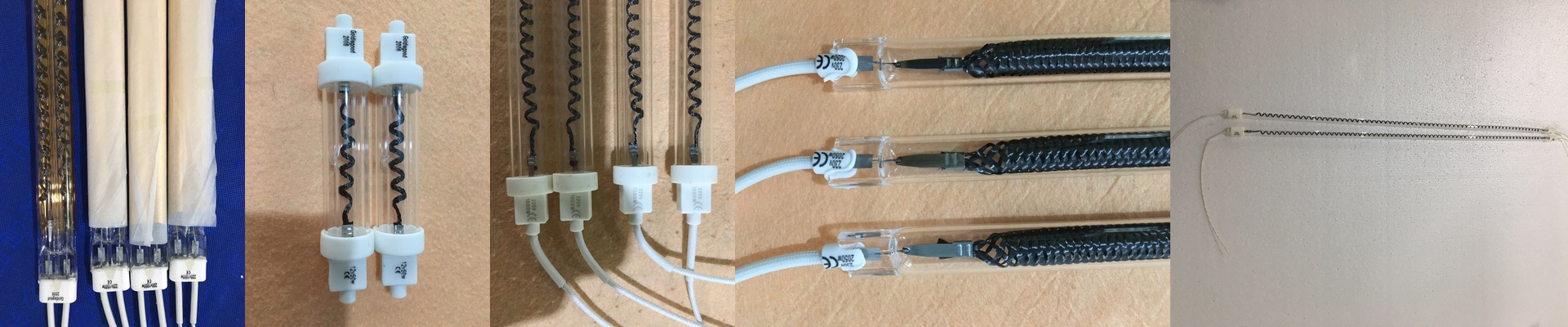
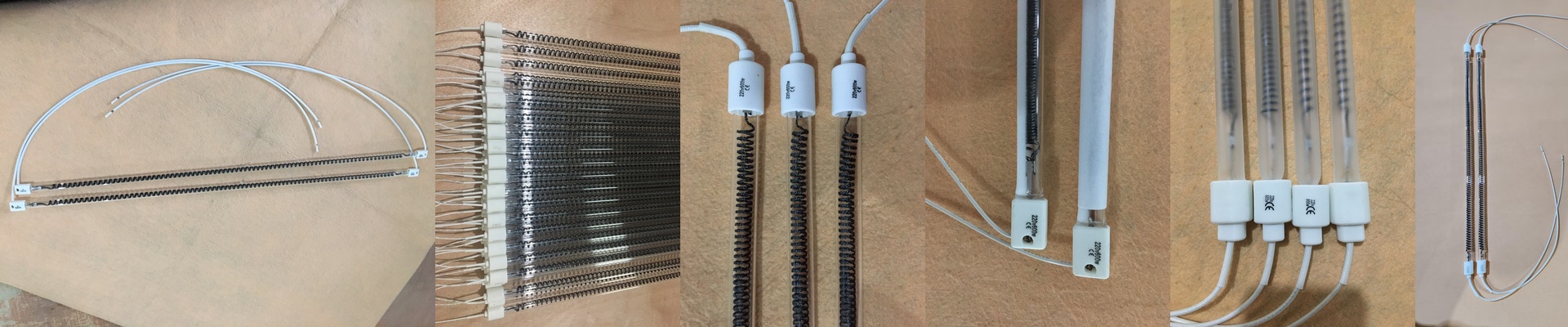
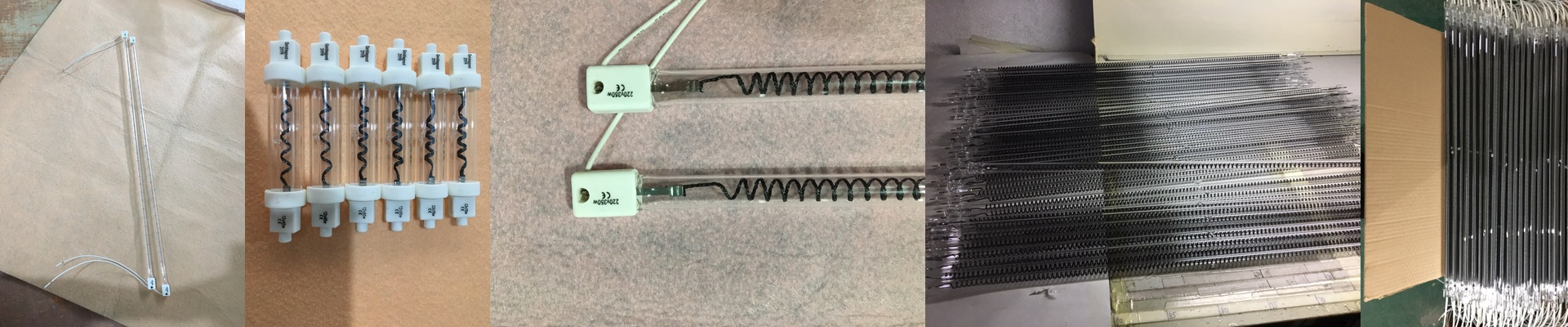
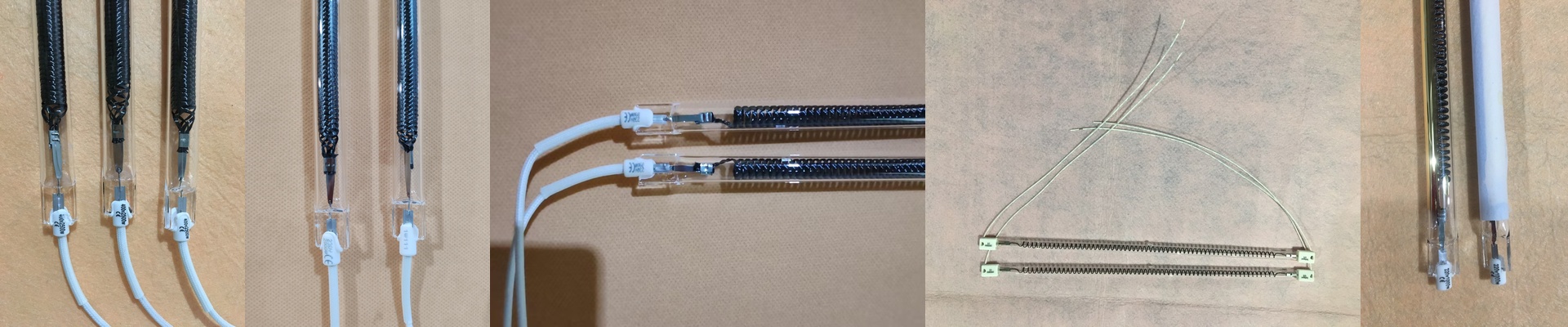
We stick with quartz-halogen tubes. Why? Because they hit peak temperature almost instantly. No waiting around. Depending on what your power grid can handle, we wire these in high-voltage strings so you aren’t running a million different circuits. But here’s the thing: you have to balance power with how long the lamps actually last. If you push a tube to its absolute limit to shave a few minutes off your cycle time, you’re going to be replacing filaments a lot more often. It’s a trade-off. To keep things manageable, we usually suggest a staggered firing sequence. By switching banks of lamps on and off, you keep your ventilation system from choking on the total heat load.
Getting it Installed
Wiring these arrays is where a lot of people trip up. You need precision here. We use heavy-duty connectors because these frames expand and contract as they heat up and cool down. If you don’t have a properly vented frame, that heat just soaks back into the housing and fries your wiring. Just make sure your airflow is strong enough to pull that ambient heat away from the sockets. If the air stays still, the gear dies. Simple as that.