Getting Your IR Heaters Right for Brake Pad Lines
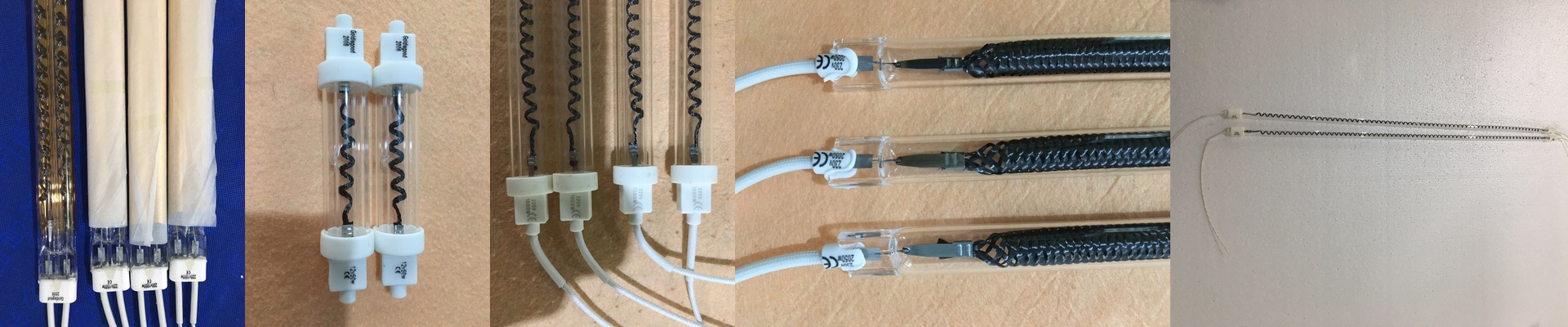
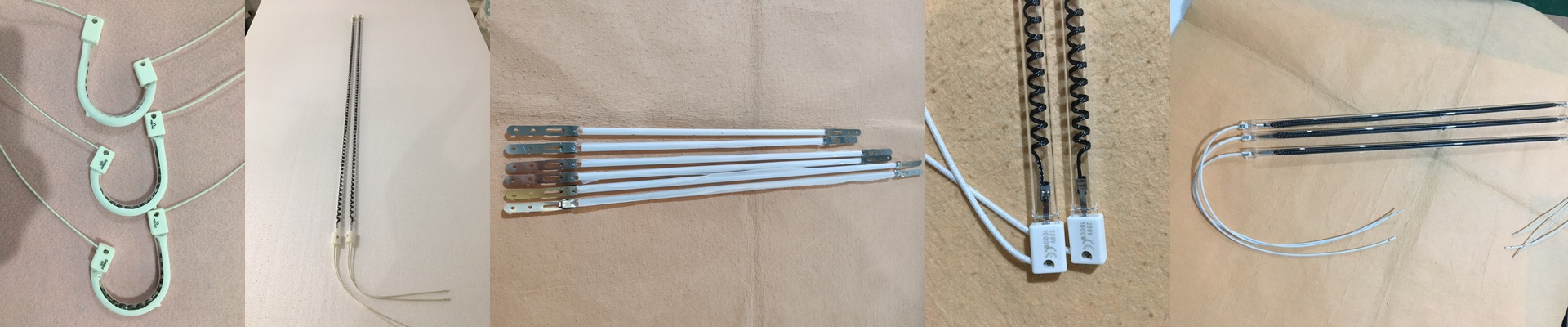
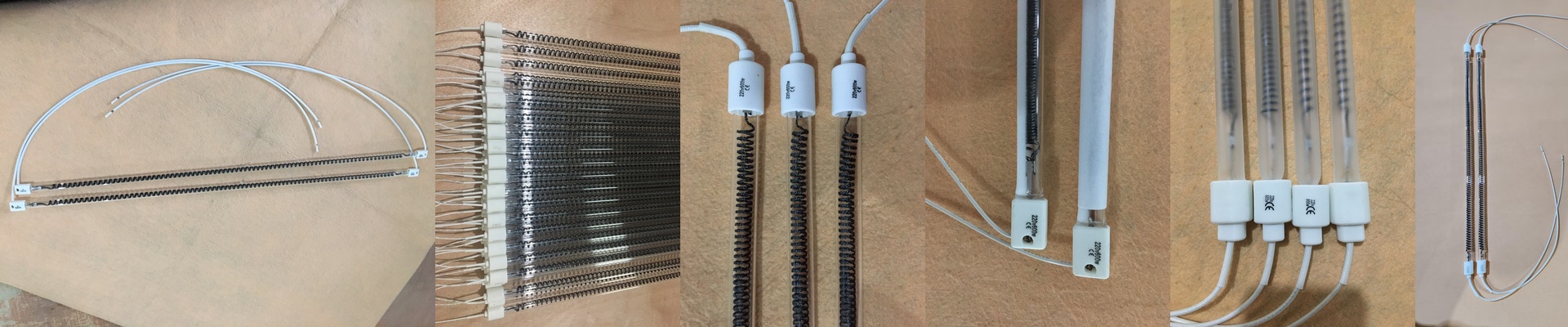
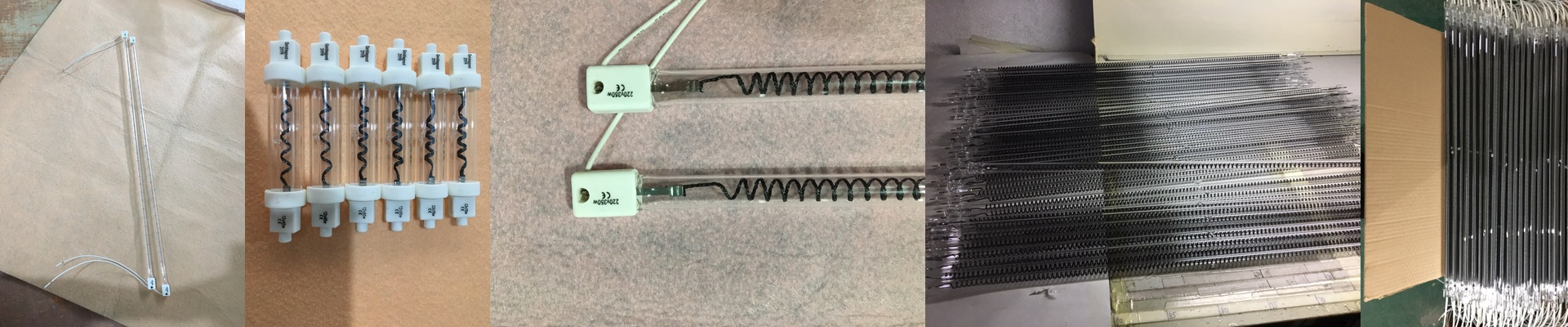
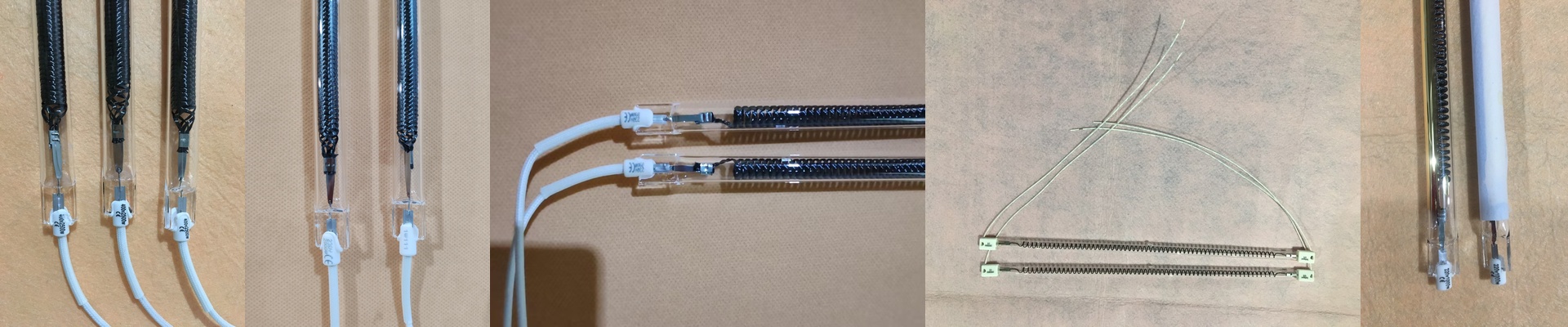
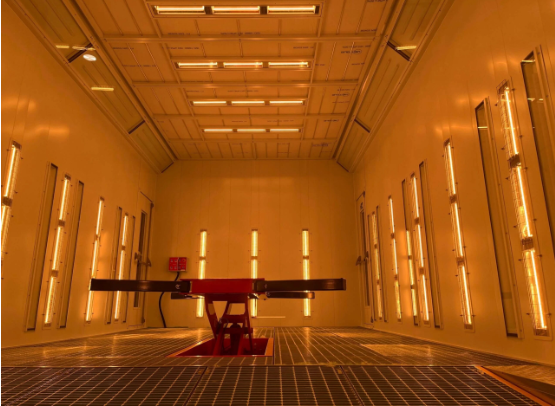
If you’ve ever had to scrap a whole batch of brake pads because they didn’t cure evenly, you know the frustration. It usually comes down to one thing: cold spots. If your heating wall isn’t built for the exact size of your parts, the heat just doesn’t hit everywhere it needs to. We fix this by ditching the “one size fits all” approach and customizing exactly where the infrared lamps sit vertically based on the footprint of your pads. Matching the heat to the part Here’s the thing: brake pads come in all different heights and weights. A standard grid is basically useless here. Instead, we figure out the lamp spacing so the heat hits the entire surface of the pad consistently. If you’re running larger, thicker pads, we tighten up the vertical gap between the lamps. That puts more heat right where the material is thickest. But you can’t just cram lamps in there. If they’re too close, you’ll fry the edges of the pads. To stop that from happening, we use zoned control. It’s pretty simple—you just toggle specific rows of lamps on or off depending on which model is moving through the line. The hardware reality We go with shortwave quartz lamps. Why? Because they’re fast. They blast the target immediately without wasting energy heating up all the air in the room. But there is a catch. Shortwave IR travels in a straight line. If your parts have deep grooves or weird shapes, you’ll get “shadowing”—basically, spots where the heat can’t reach. And let’s be honest, factory floors are brutal on gear. Constant heating and cooling cycles chew through wiring. That’s why we use heavy-duty ceramics and reinforced connectors. It keeps the wires from burning out when things get intense. Fitting it all in When you get the vertical layout right, you don’t need a massive tunnel. You can get the same soak time in a much smaller space, which saves you a ton of floor room. Just a heads-up: when you pack more power into a smaller area, things get hot. Fast. You’ll need to beef up your exhaust system to pull that extra heat out of the chamber. If you don’t, the ambient temperature will climb and throw your whole curing cycle off.