Keeping Your Brake Pad Curing Consistent (Without the Headaches)
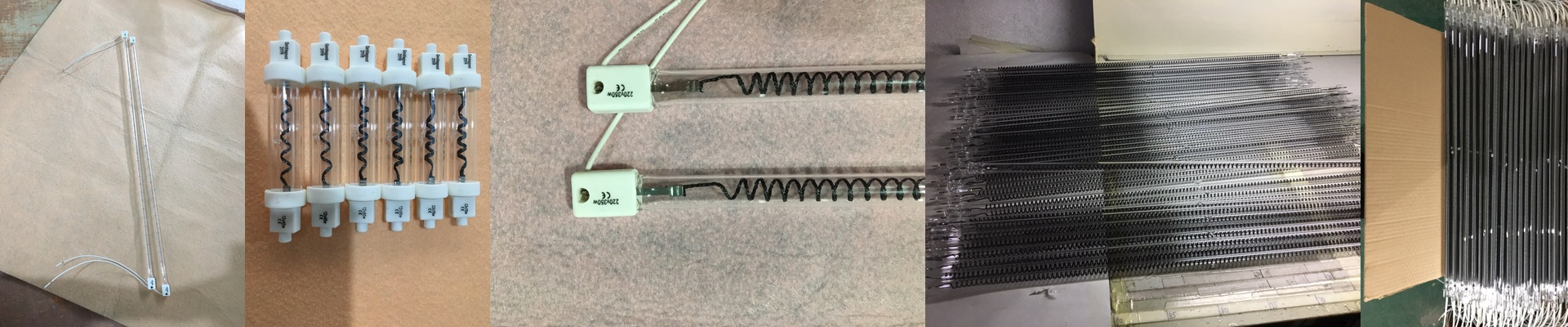
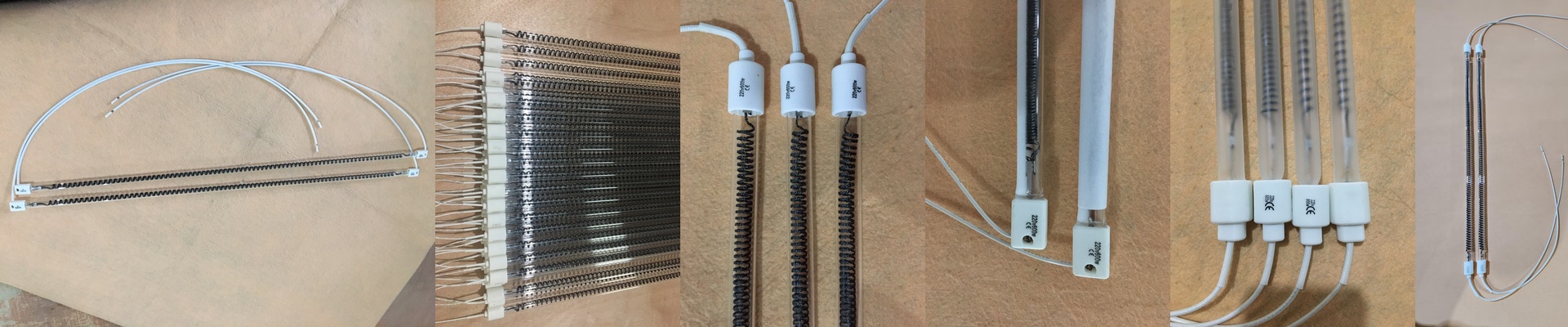
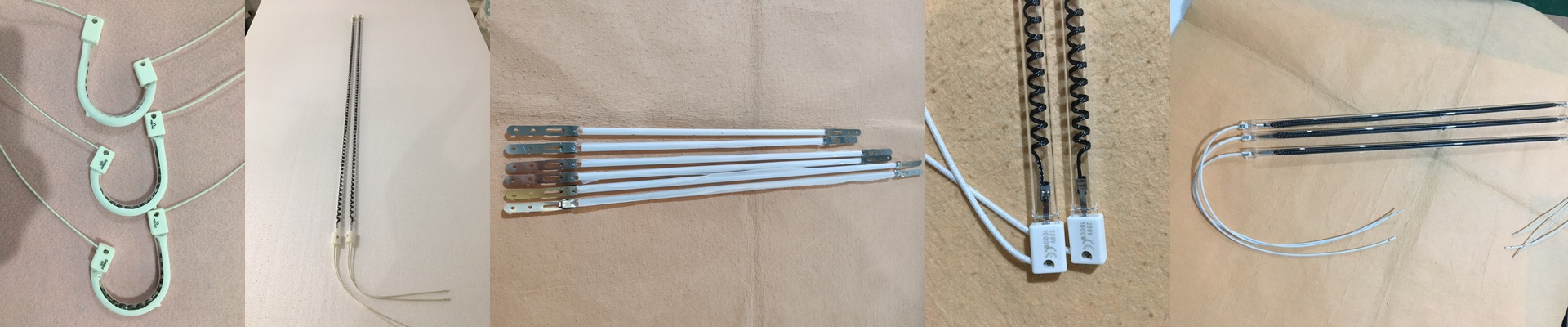
When you’re curing binders and stabilizing friction material on brake pads, you need IR energy that actually stays where it’s supposed to. If you’re running a 24/7 line, you know the nightmare: a dip in power happens, the curing goes wonky, and suddenly you’re staring at a pile of scrapped batches. It’s a waste of time and money. We build our IR modules to stop those fluctuations before they start by keeping the heating elements on a very tight leash.
No More “Temperature Sag”
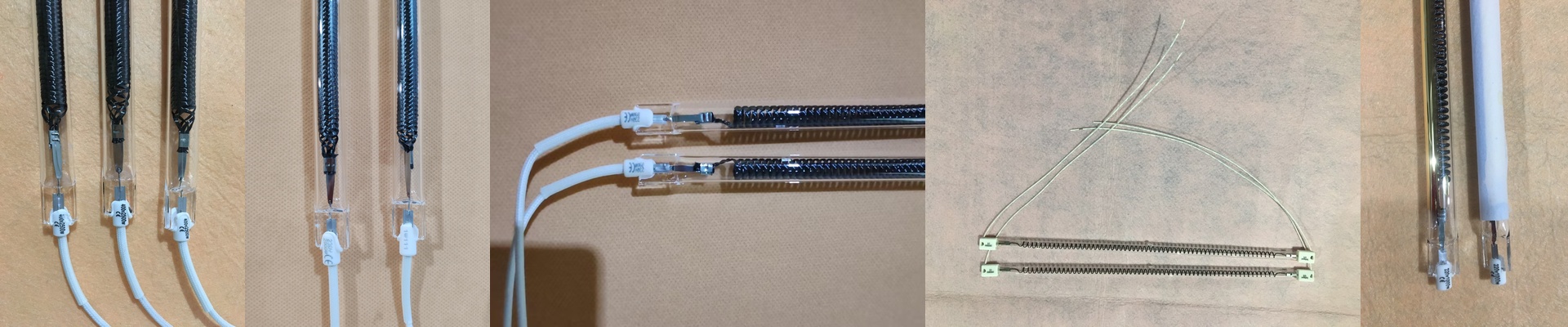
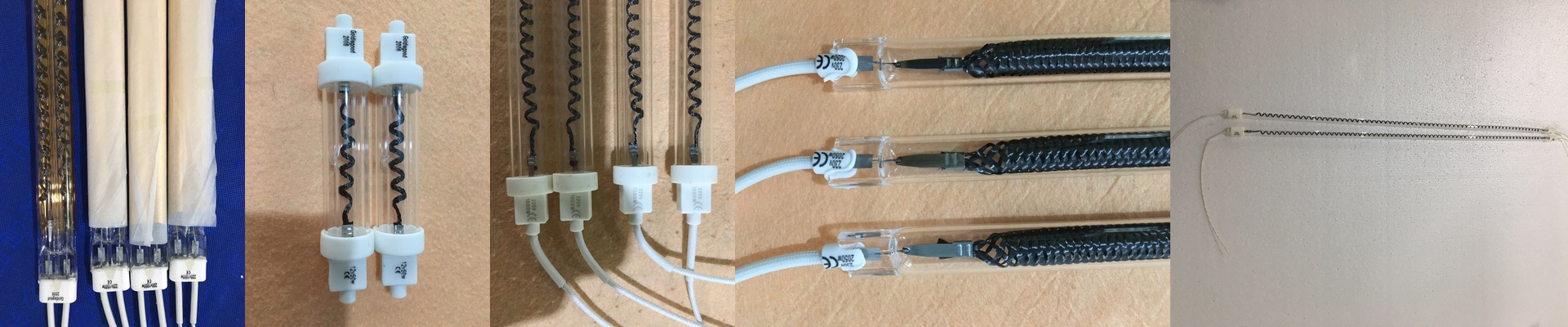
Keeping power from drifting isn’t just about the lamp itself. It’s about how that lamp handles “heat soak” over a full day of grinding. We use high-purity quartz envelopes because they don’t devitrify. In plain English? The glass doesn’t get brittle and crack when it’s constantly heating up and cooling down. You don’t want a system that loses steam as the shift goes on. We design our modules to keep a flat power curve. That way, the very last pad of the day gets the exact same hit of energy as the first one.
The Hardware Side of Things
We’re big on industrial-grade connectors. Why? Because loose connections create hotspots. Those hotspots lead to burn-outs, and burn-outs lead to downtime. By using standardized, high-temp terminals, we’ve made these a simple drop-in replacement. You won’t have to spend your weekend rewiring the entire production line. And we stick with short-wave IR. It punches through the surface of the brake pad fast, which means your heating tunnel doesn’t have to take up half the factory floor.
The Balancing Act: Heat vs. Cooling
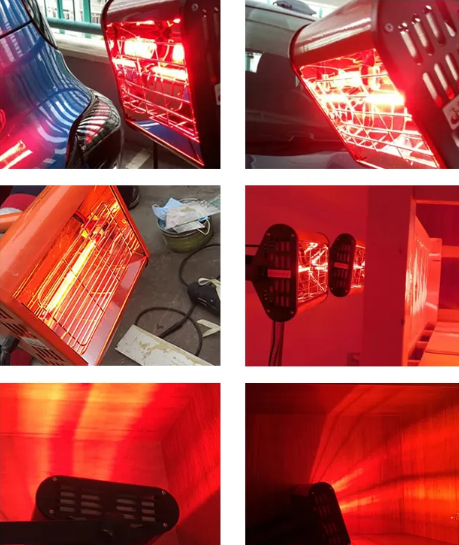
Here’s the thing: high-wattage modules are great for fast cycle times, but they put out a massive amount of ambient heat. If your conveyor housing isn’t vented properly, all that heat just sits there. Eventually, it starts cooking your electronics, and that’s when things get expensive. Make sure your cooling blowers can actually handle the total kilowatt load of the IR bank. If you don’t match the cooling to the heat, the whole system is just going to overheat. Simple as that.