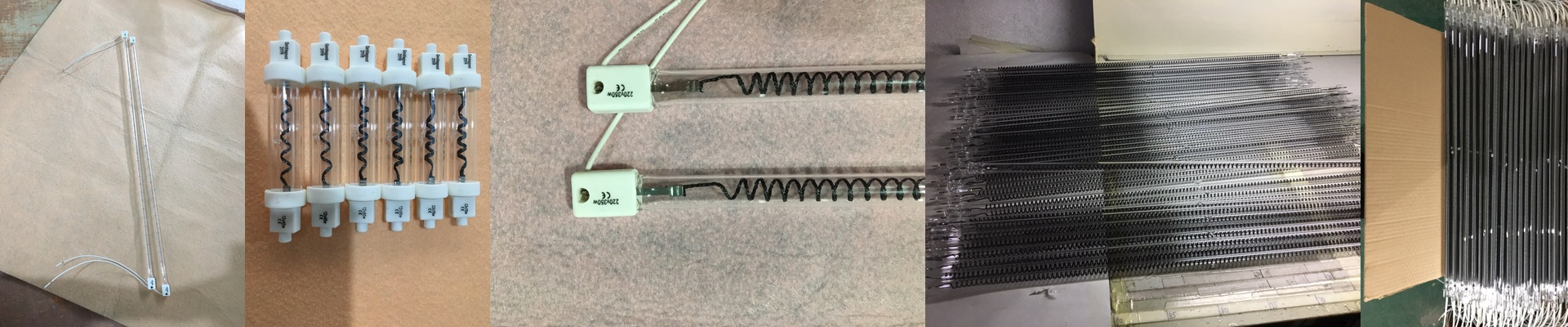
Stopping the Warp: A Better Way to Handle Automotive Thermoforming
Ever pull a part out of the mold only to watch it slowly twist or spring back right in front of you? It’s frustrating. Usually, it happens because the heat isn’t hitting the polymer evenly. You’re left with these pockets of internal stress. If you try to blast the whole thing with heat to fix it, you end up cooking the thin edges while the thick ribs are still way too cold. It’s a losing battle.
The Trick: Zonal IR Heating
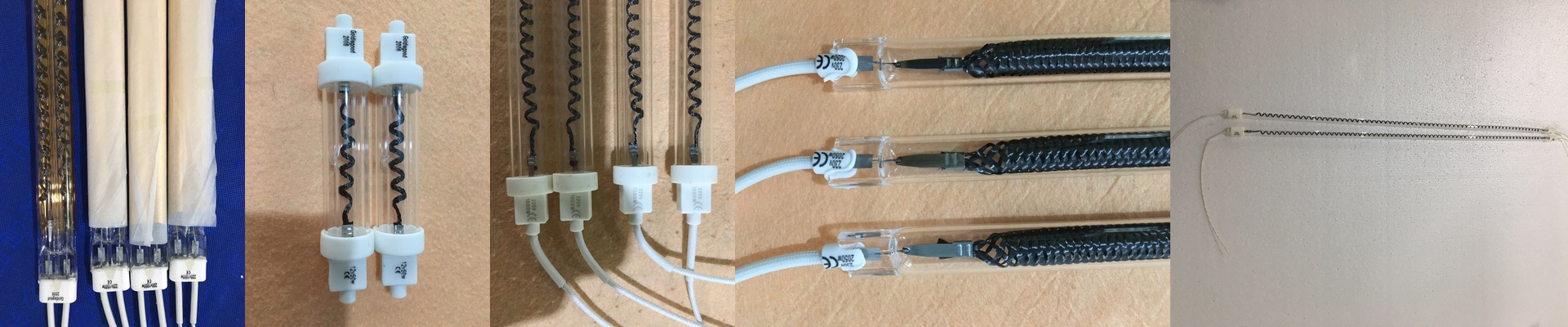
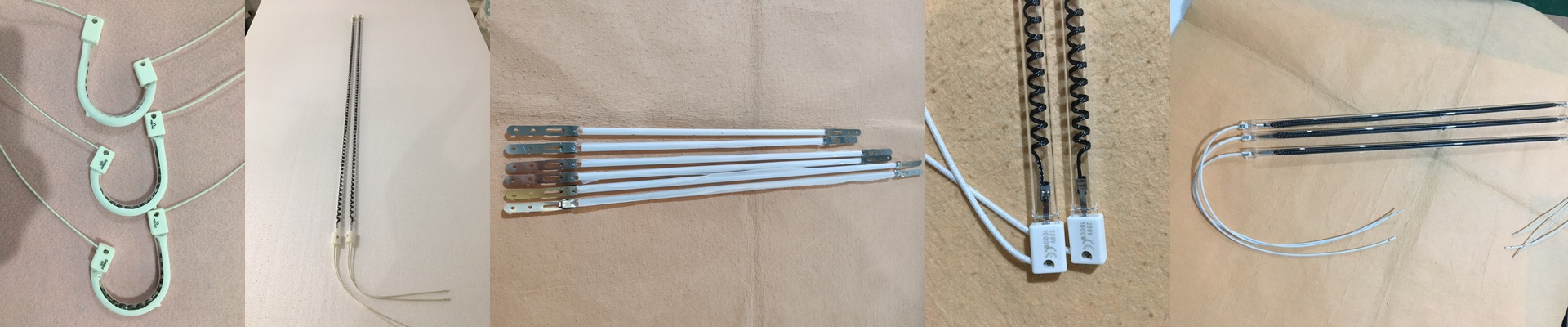
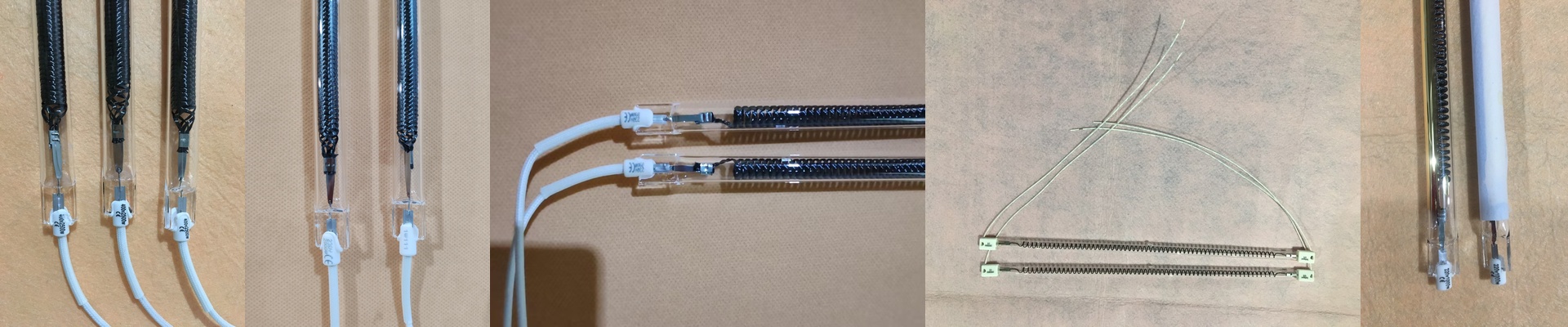
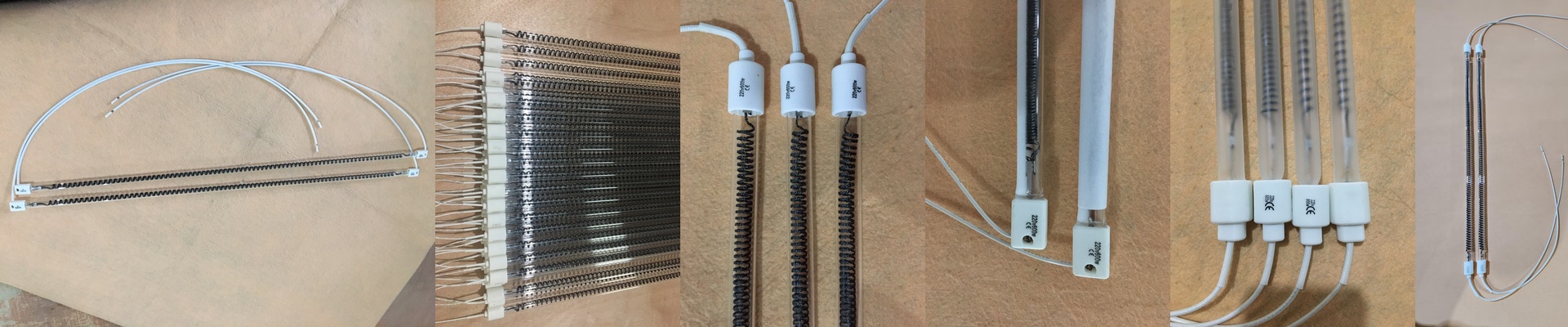
We found a way around this by using zonal IR heating. Instead of one giant wall of heat, we break the array into independent zones. Basically, you can tell the machine exactly how much power to send to specific spots based on the shape of the part. Need more punch in the thick structural areas? Crank it up there. Thin edges? Dial it back. When you control the temperature gradient like this, the material hits its glass transition point at the same time across the whole surface. No more thermal imbalances, which means no more twisting once the part cools down.
Getting the Fit Just Right
It all comes down to stress relief. IR heat sinks into the material much faster than convection does. By targeting the exact spots that usually deform, you essentially lock the part into the shape it’s supposed to be. The result? Tighter tolerances. Your parts actually fit together on the assembly line. No more forcing clips or staring at ugly gaps.
The Not-So-Pretty Side
Now, this isn’t a magic button. Zonal control makes your wiring and PLC logic a bit more complicated. You’re going to need more thermocouples and individual PID controllers to keep everything in sync. And here’s a heads-up: high-density IR arrays gethot. Really hot. If you don’t get your cooling fans or water-cooled jackets sorted, you’re going to fry your sensors and wiring looms. It’s a small price to pay for parts that actually stay straight, but you have to plan for it.