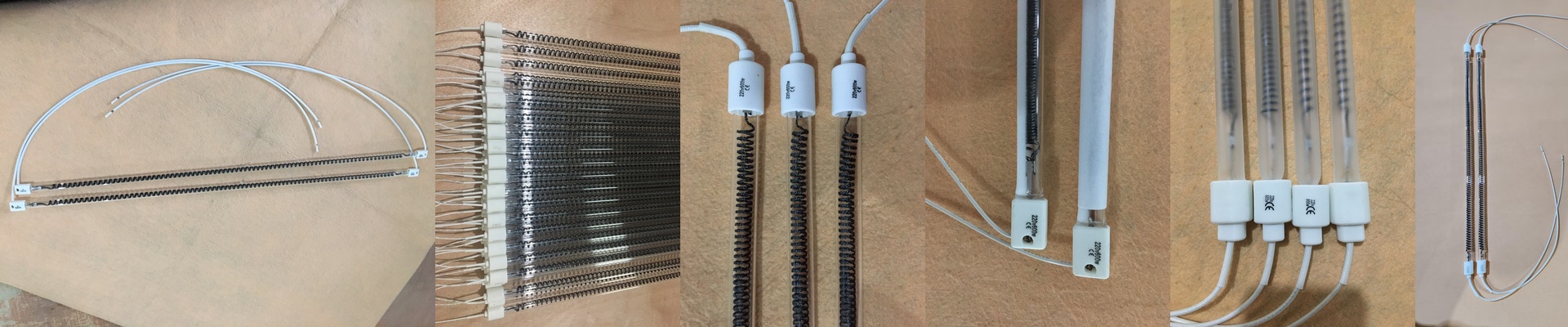
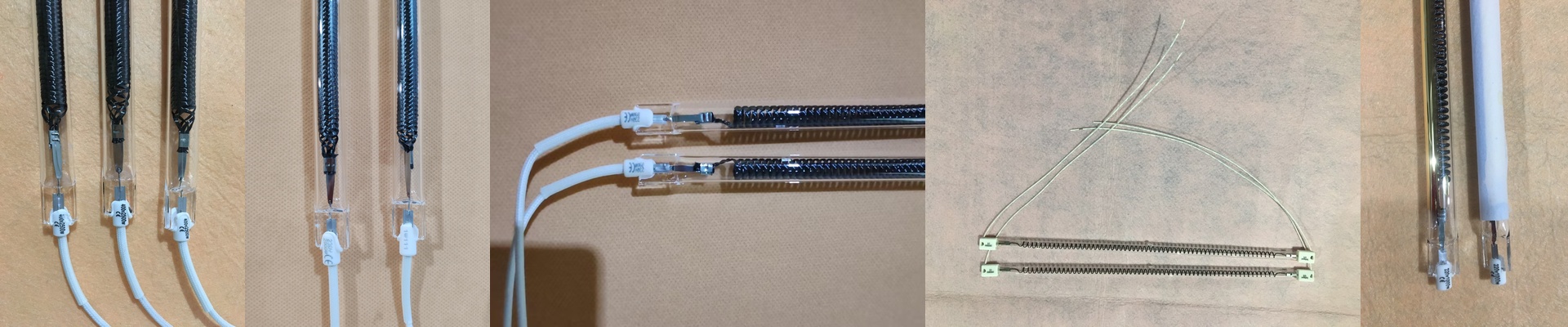
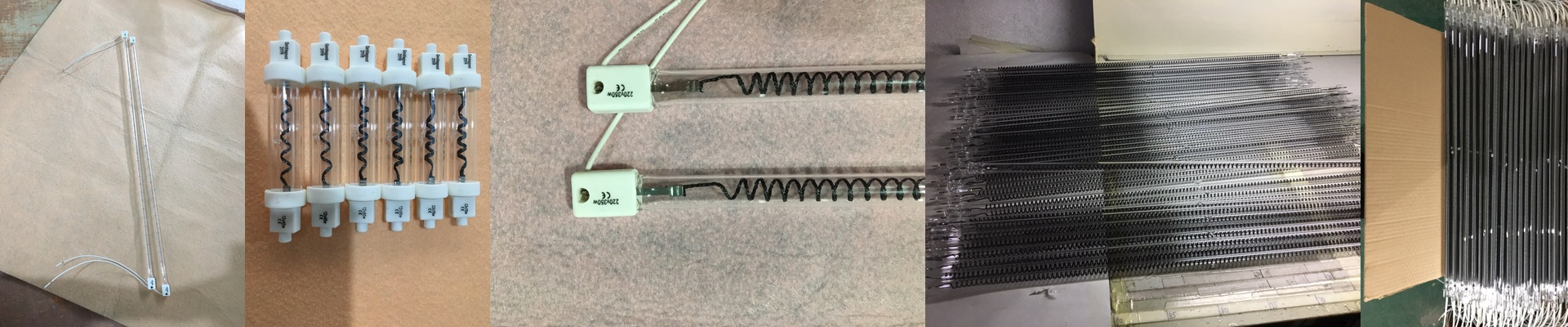
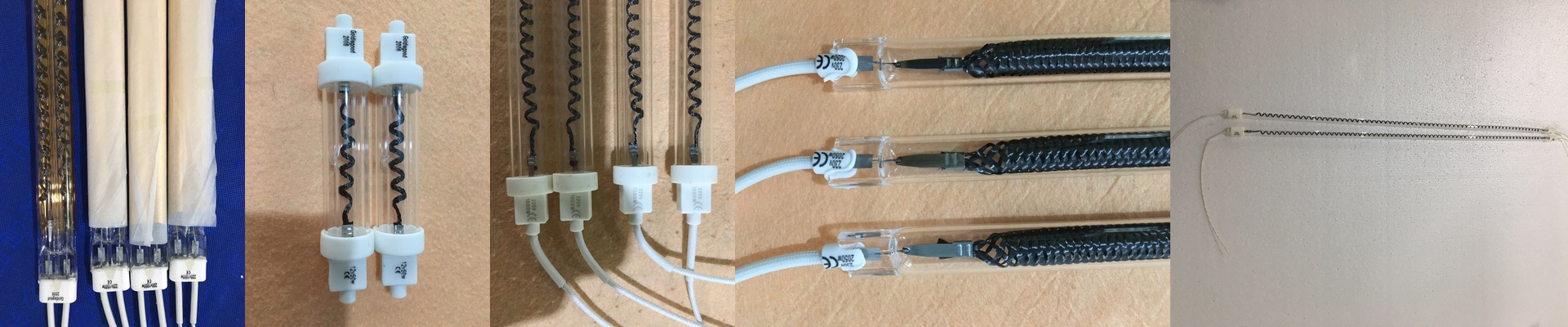
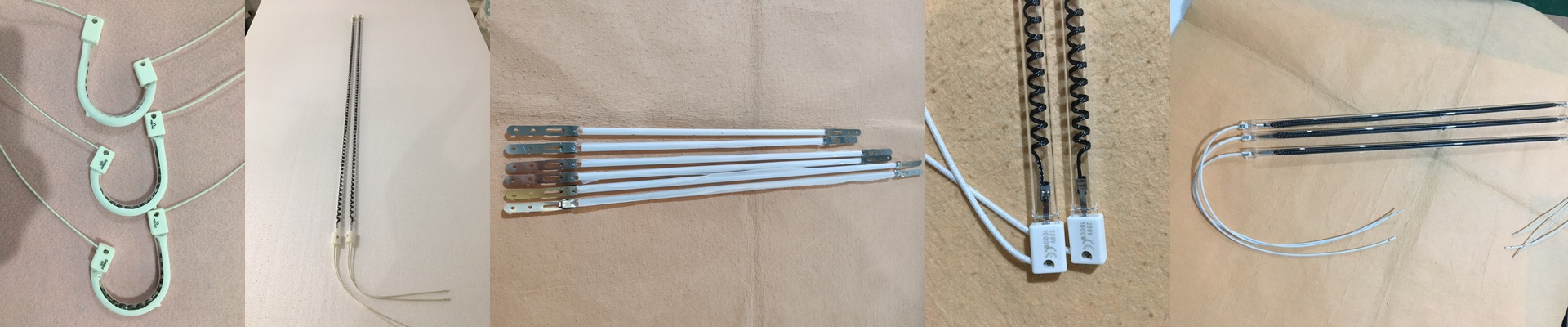
Let’s Talk Carbon Heating Tubes
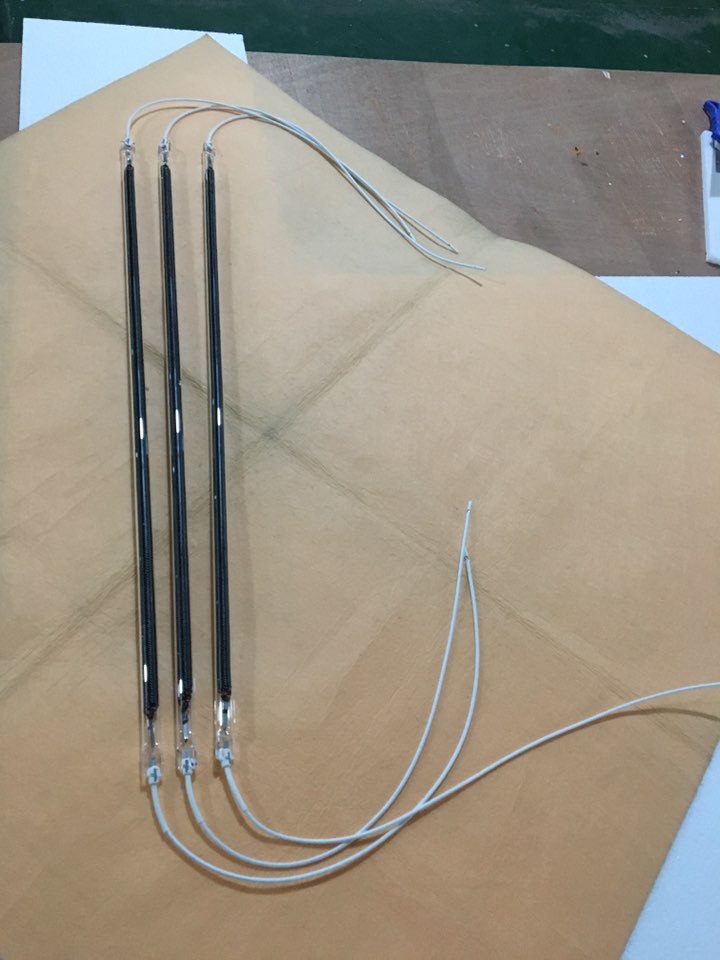
If you need to get something hot—and you need it to happen now—carbon heating tubes are your best bet. Basically, we take a carbon fiber filament, tuck it inside a quartz glass sleeve, and let it rip. Unlike those old-school metal coils, these don’t need to get blindingly hot to do their job. They put out a ton of medium and long-wave infrared radiation, which means the heat actually hits the target instead of just warming up the air around it. The nitty-gritty on power Here’s the thing: how these perform mostly comes down to the wattage relative to the length of the tube. When we’re dealing with high-wattage loads, we bump up the voltage. Why? Because it keeps the current draw manageable. It lets you run longer tubes without the voltage dropping off a cliff. Just a heads-up: make sure your wiring and power supply can actually handle the amps. If they can’t, you’re going to end up with burnt-out terminals, and that’s a mess nobody wants to clean up. Getting the fit right The quartz glass isn’t just for show; it keeps the carbon from oxidizing and dying. Some of our tubes even have a special coating to help focus the heat exactly where you need it. When it comes to plugging them in, we stick to the basics like R7s or Sk15 connectors. They fit tight.**And they need to stay tight.**If you use a loose connector or the wrong part, you’ll get a “hot spot.” That’s a fast track to a cracked tube. Where this actually works (and where it doesn’t) You’ll see these all over the place—PET blowing machines, paint curing lines, plastic welding. They’re great because they don’t take up nearly as much space as those massive forced-air ovens. Plus, they react almost instantly. You flip a switch, and boom—heat. It makes temperature control a breeze. But, there’s a catch. Quartz is fragile. It hates being bumped and it hates sudden, violent temperature swings. If your machine shakes a lot or the mounting is sloppy, your tubes are going to snap. Double-check your housing. Make sure everything is aligned so the tube isn’t taking a beating while it’s working. Keep it steady, and it’ll last.