Getting Your Brake Pad Curing Right
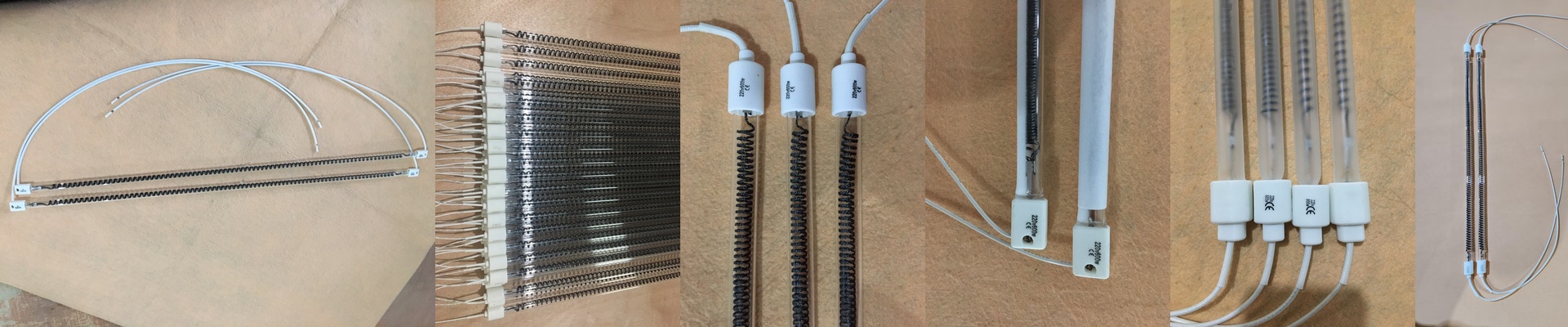
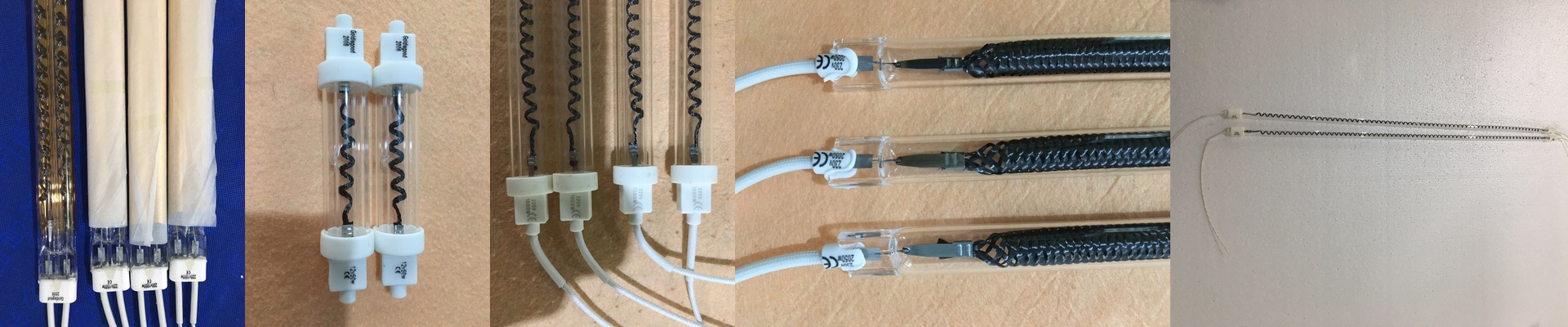
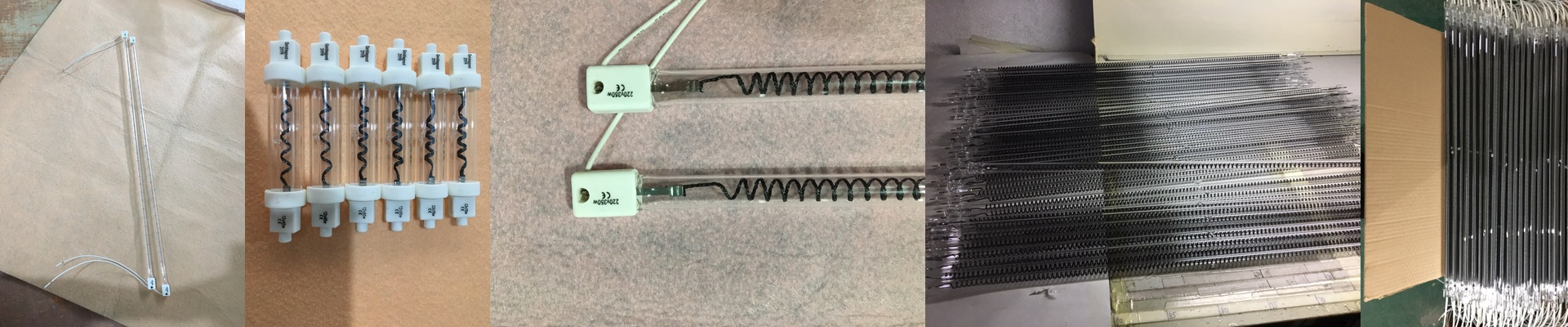
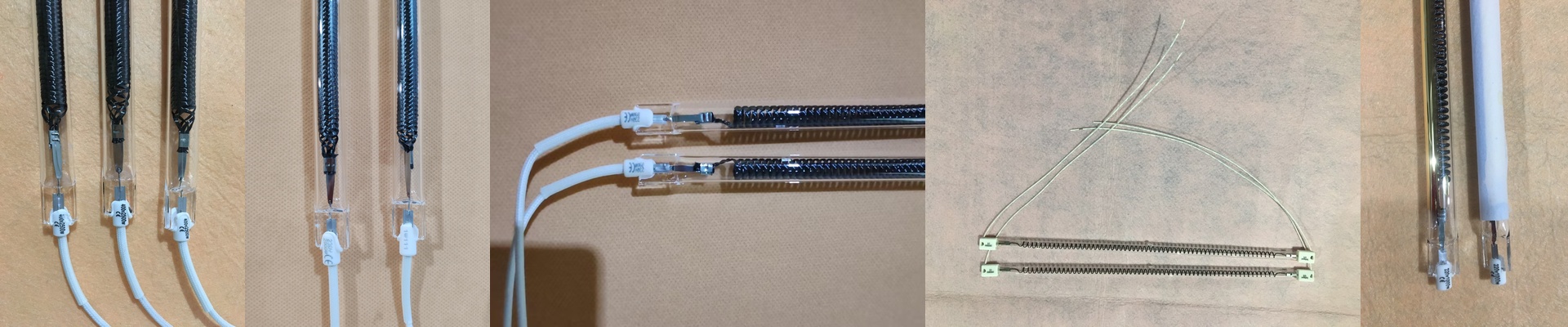
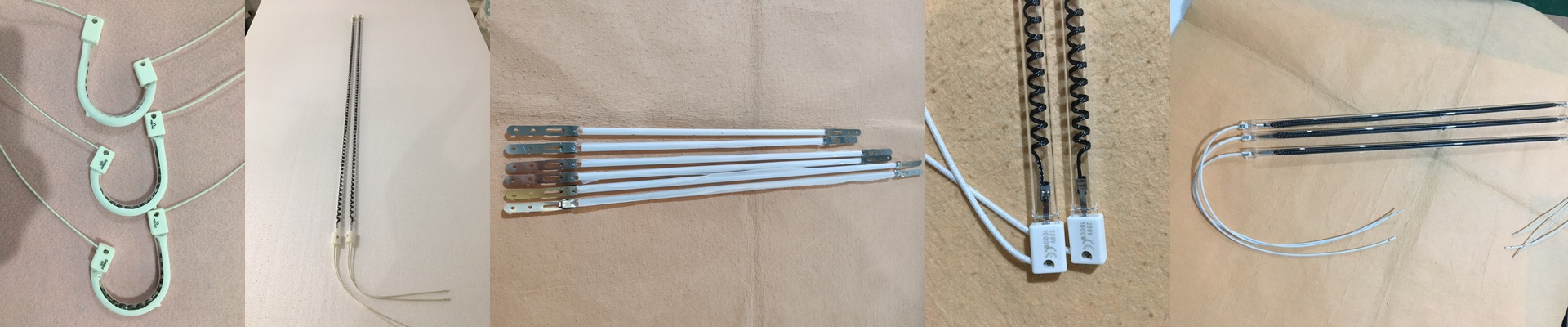
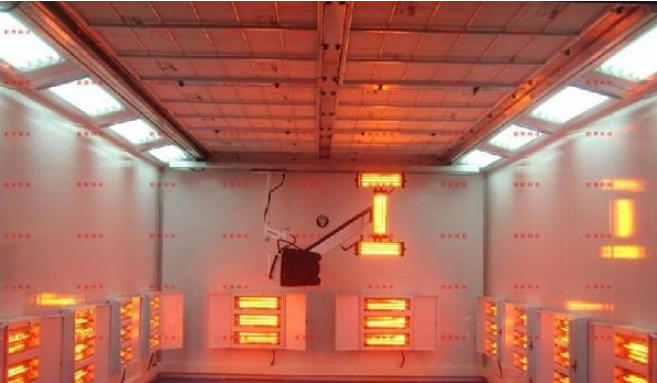
Curing brake pads is a bit of a tightrope walk. If you crank the heat too fast or it hits unevenly, you’re asking for trouble. You end up with internal stress, which basically means thermal cracks and porosity. Once that happens, the structural integrity of your friction material is toast. That’s why we use shortwave infrared emitters. Instead of just blasting the outside, they hit the core of the material without scorching the surface. The struggle with heat Here’s the thing about standard convection ovens: they heat from the outside in. You often end up with a burnt exterior and a core that’s still cold. It’s frustrating. Our IR emitters change that. They push high-intensity radiant energy deep into the resin-bonded composite. By tweaking the wattage and the distance, you can set a ramp-up rate that lets the material expand evenly. No surprises. The gear (and the catches) We build these emitters for high heat density so they don’t take up your whole shop. We use quartz glass envelopes to handle the high temps, but you’ve got to be careful. Seriously—don’t touch the quartz with bare hands. A single fingerprint or a smudge of oil creates a hot spot, and that’s a fast track to a burnout. You also need a PID control loop that actually works. If your sensors are sluggish, you’ll overshoot your target temperature and trigger those exact cracks you’re trying to avoid. Stopping the cracks Porosity usually happens when volatiles escape too quickly or the resin sets before it has a chance to flow. With precision IR, you can hold specific “soak” temperatures. This gives the chemical reaction time to finish completely across the whole part. Plus, there’s a trade-off: power. These emitters pull a lot of current to keep those tolerances tight. Just make sure your wiring and power supply can handle the peak load. Get that thermal profile dialed in, and you can finally stop worrying about cracks in your finished parts.