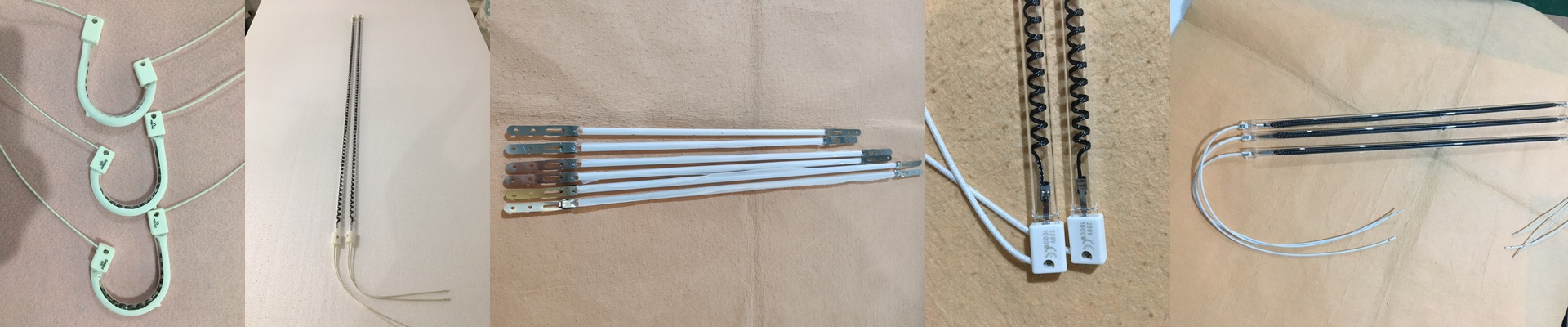
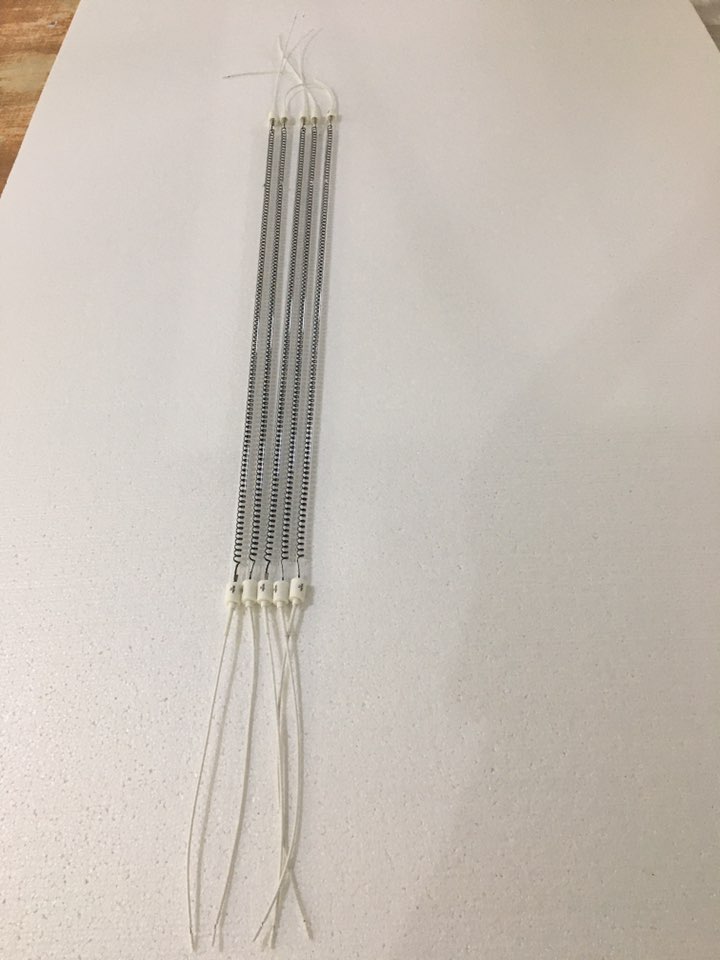
Understanding the Carbon Filament Infrared Lamp
We built these carbon filament infrared lamps for one simple reason: to get things hot, fast. When your process needs a serious temperature spike, these lamps deliver raw, focused heat. Here’s the magic: they don’t waste energy warming the air around them. They go straight to the target with radiant heat. The result? You cut down on wasted energy and shrink your cycle times. It feels good to see a process that just… moves.
The Power Behind the Heat
When we talk about specs, it’s all about what the lamp can actually do for you. A typical setup runs at 400V and 2500W. That kind of power density is something standard heaters just can’t touch. And the size? It’s surprisingly compact. At 300mm long and just 12mm in diameter, it slips into tight spots where other high-output heaters would never fit. But this kind of power needs the right setup. You’ve got to wire it properly to handle the load. And with that intense heat comes one thing you can’t ignore: thermal management. Make sure your machine’s cooling system is ready for the extra warmth.
What’s Inside?
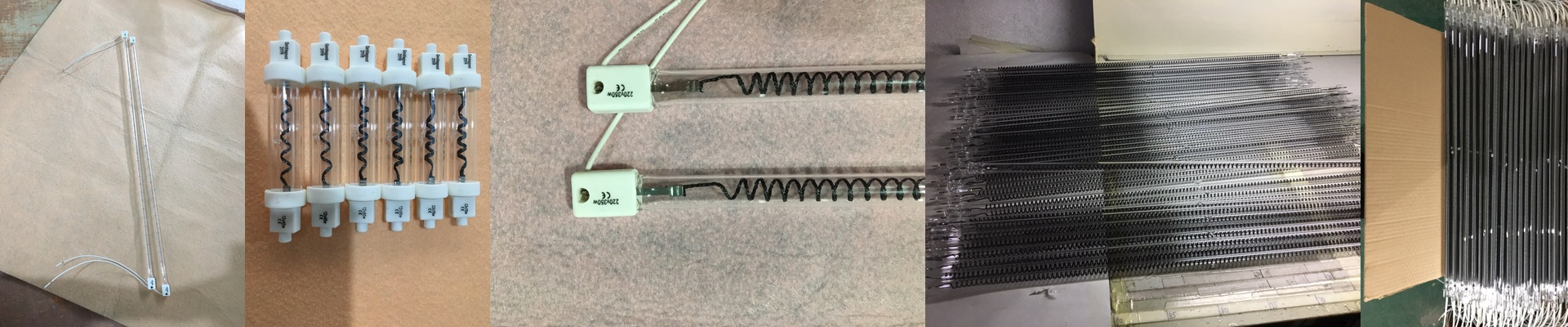
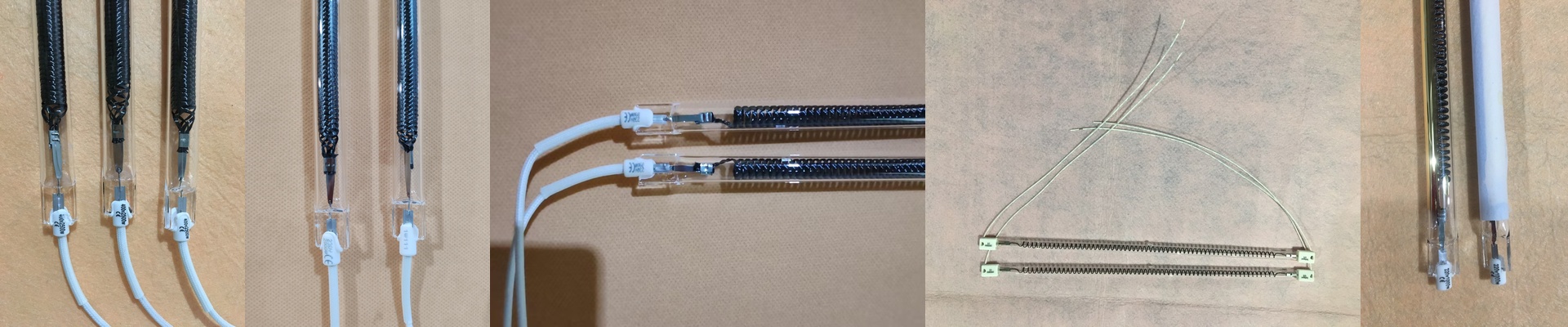
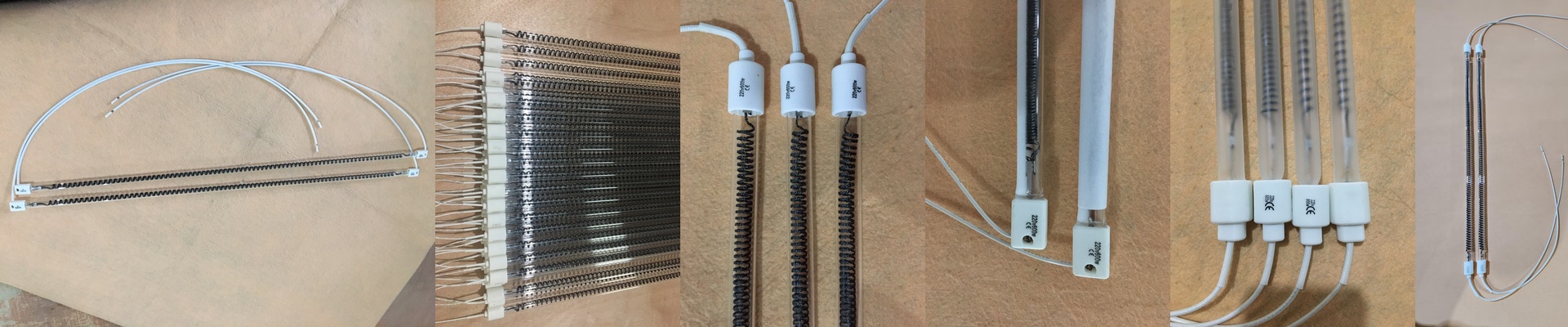
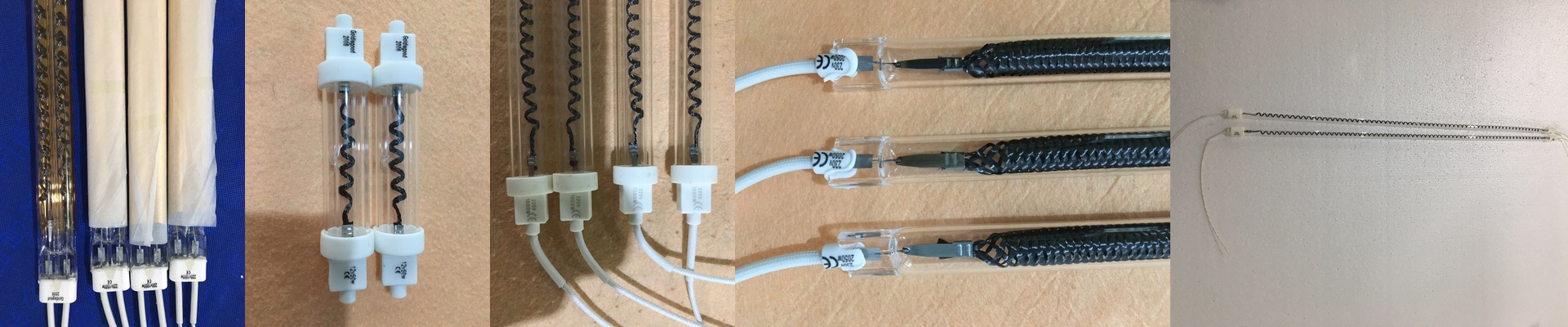
The heart of the lamp is the carbon filament, tucked inside a tough quartz tube. Quartz is the perfect choice because it won’t soften, even when things get seriously hot. It just shrugs off the extreme temperatures and handles sudden changes without cracking. We also fill the tube with a halogen gas. It’s there to protect the filament, which helps the lamp last longer by slowing down wear and tear. Then there’s the R7s base. It gives you a solid, two-point connection that handles the current safely. No hot spots, no fuss. And because it’s a standard design, it’s an easy drop-in replacement. That means less downtime when you need to swap one out on the shop floor.
Where It Shines
These lamps are built for processes that demand rapid surface heating. Take PET blowing, for example. You need to heat the bottle preform quickly and evenly. The radiant heat does just that, getting the material to the right melt temperature without scorching the surface. In industrial drying and curing, the lamp’s output can be fine-tuned to match the material you’re working with. That kind of precision means less waste and keeps your line moving. And the best part? The simple wiring and compact design make it easy to work into your existing machinery. It just fits. Maintenance stays straightforward, and your team doesn’t have to fight with complicated installations.