Introduction
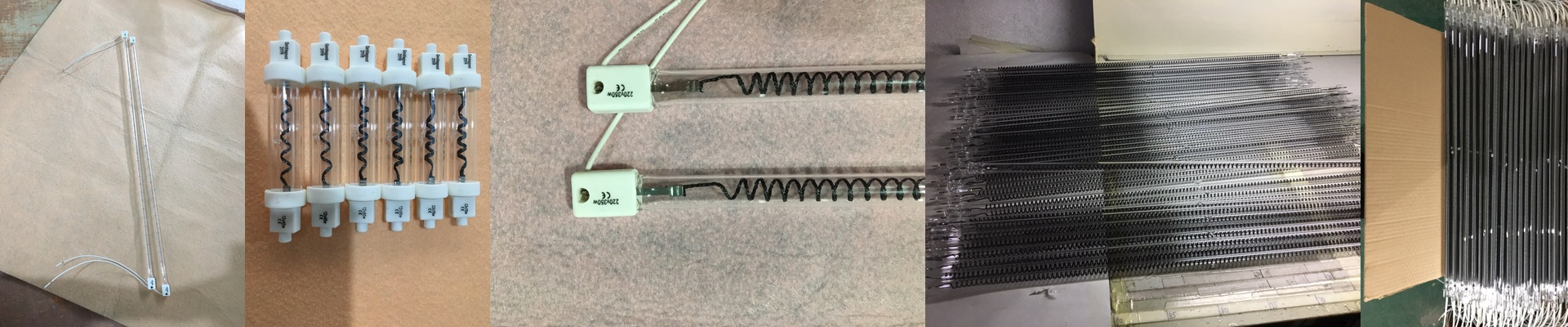
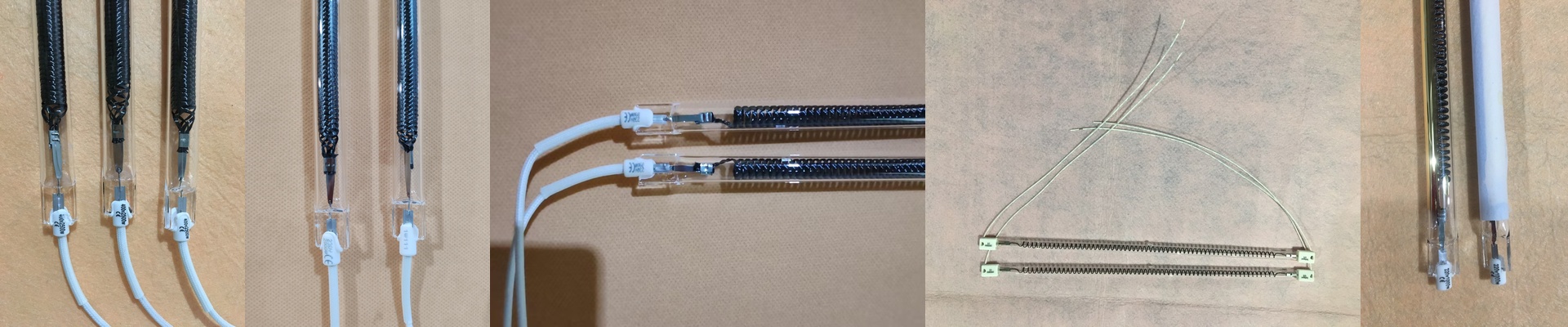
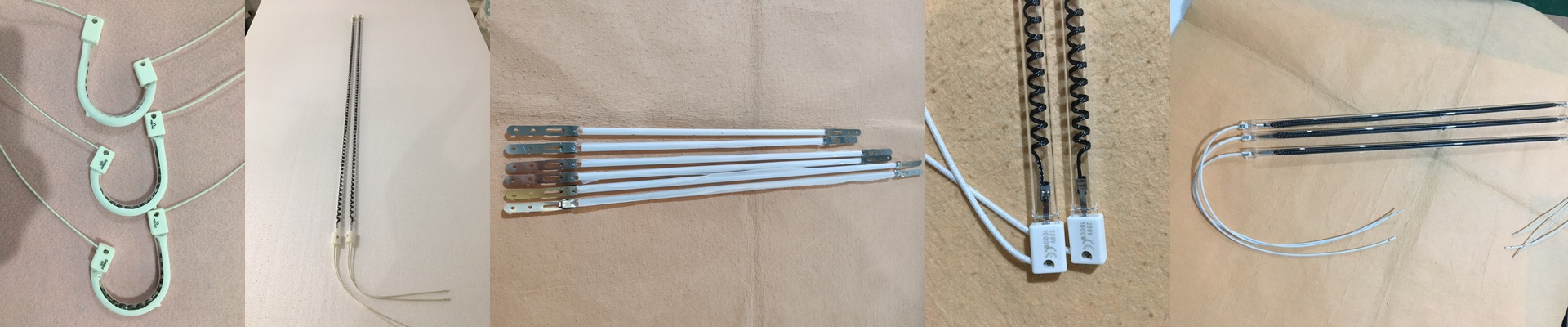
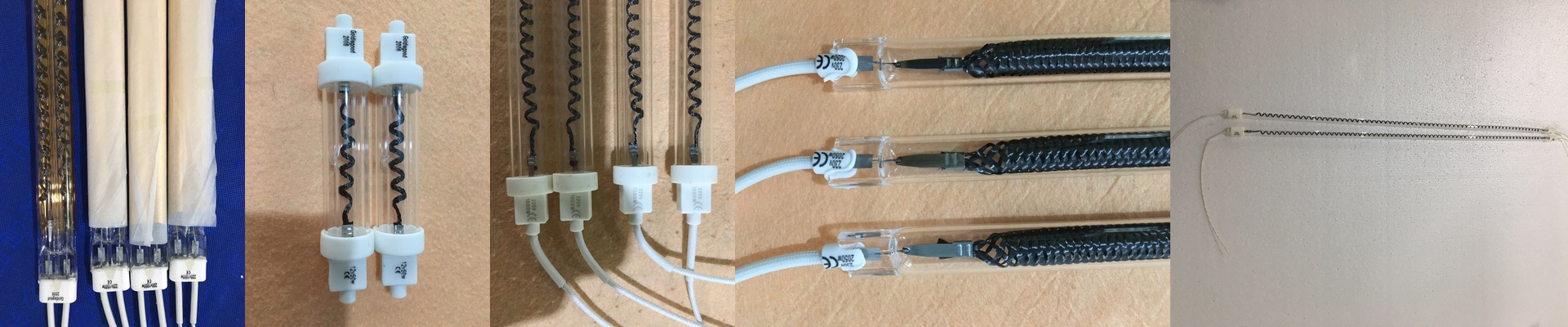
We make carbon fiber infrared heat lamps for industrial machines—the kind that need heat fast, focused, and without wasting a single watt. Here’s the idea: pair a carbon filament with quartz glass, and you get shortwave infrared that dives into materials quickly. If your line lives and dies by rapid thermal response, this setup is built to drop straight in as a replacement for standard OEM heating elements.
Technical Deep-Dive
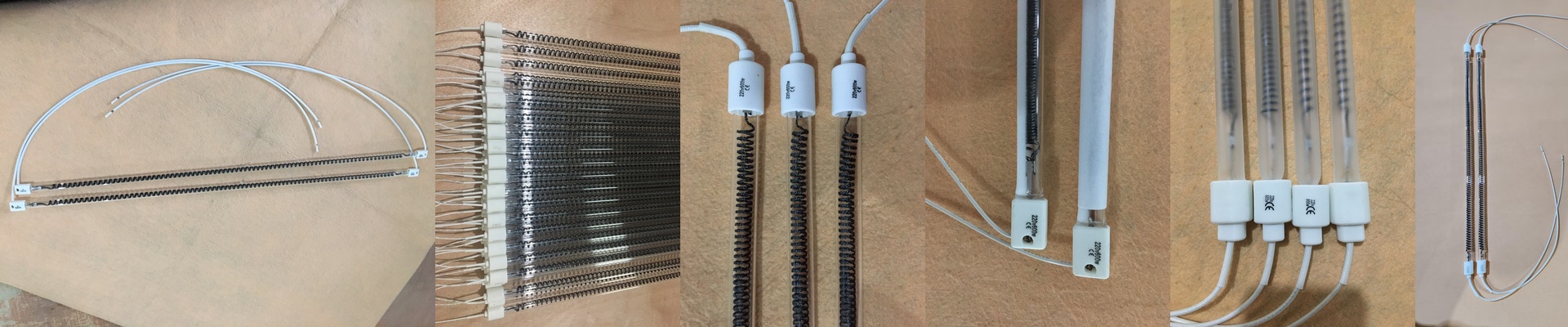
We engineer these lamps around a clean, practical relationship: power to voltage. We lean on a 400V high-voltage rating because it pushes serious power through a compact tube—about 300mm long. That keeps the footprint small while giving you the heat density needed for fast cycle times. The wattage is matched to the temperature rise you need, so you size the lamp to the job without overthinking the whole assembly. A heads-up: high voltage does put more stress on the terminals and the quartz envelope. Plan your insulation and spacing carefully. And that 300mm length? It’s not random. It gives the filament enough path to produce the infrared flux you need, while still fitting into tight heating zones.
Material & Design
Quartz glass is the backbone of this design. It handles the shock of rapid heat-up and stays stable at the high filament temperatures required for shortwave infrared output. The carbon filament fires up fast, and the quartz envelope keeps the heat aimed where you want it. We use an R7s connector because it gives you a secure, aligned termination that can handle high voltage and stand up to repeated installation cycles. We also offer an Sk15 base option, which gives you a reliable mounting interface—so swapping lamps on the shop floor is quick and painless.
Application & Benefits
These lamps are a common OEM heating choice for equipment that needs rapid, localized heat—places like drying, curing, and preheating stations. The carbon fiber filament delivers intense infrared energy that heats surfaces fast, so the time between cycles shrinks. The payoff is simple: heat-up is quick, output stays steady, and the footprint stays small. But there’s a trade-off you should own: high heat density means you need proper cooling and thermal management around the lamp. If your machine enclosure runs hot, plan for airflow or heat shielding to keep ambient temperatures in a safe range.