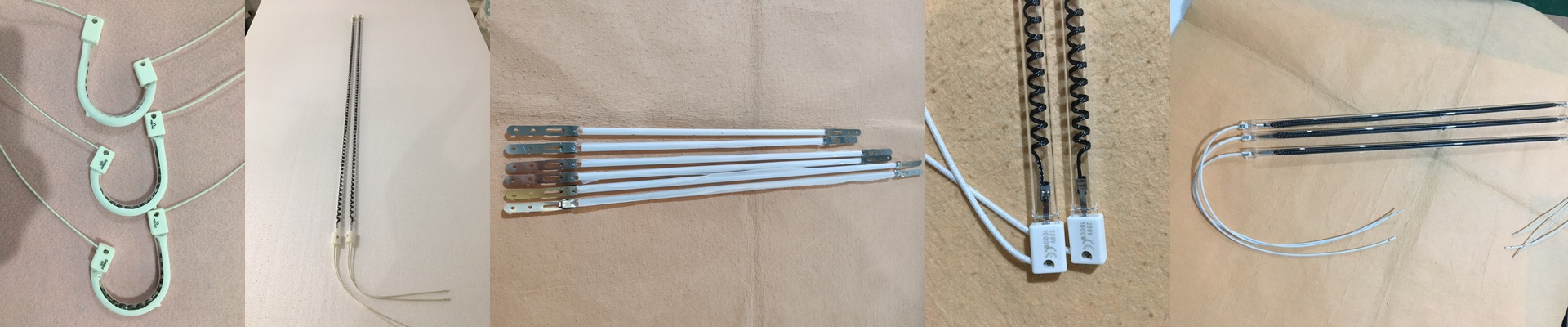
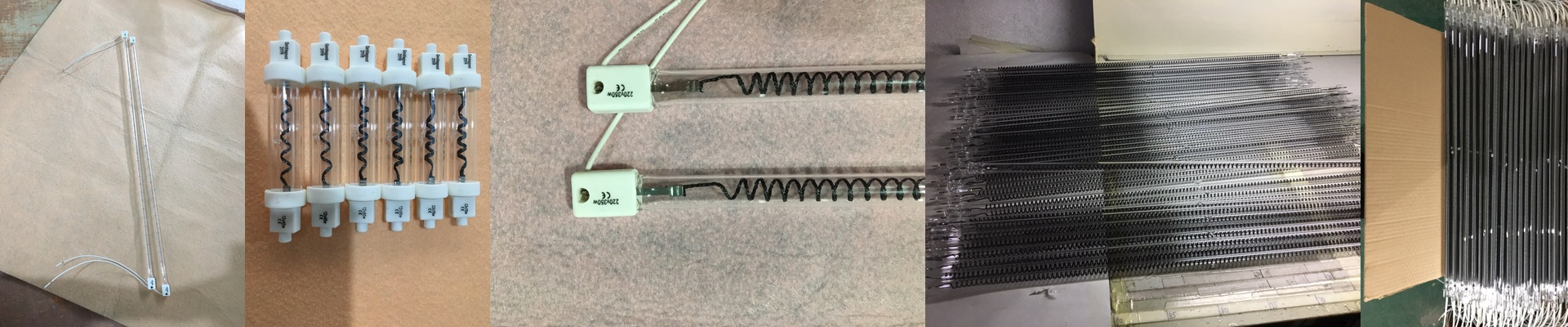
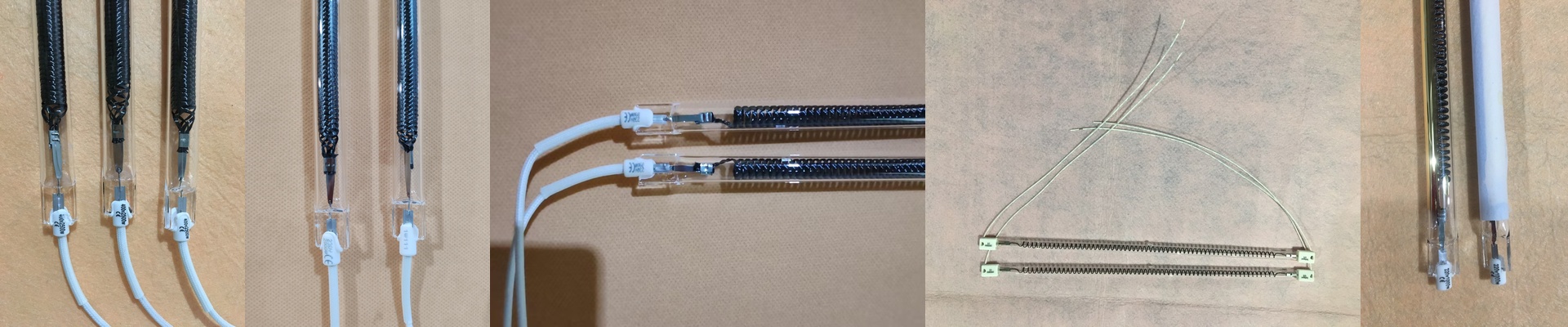
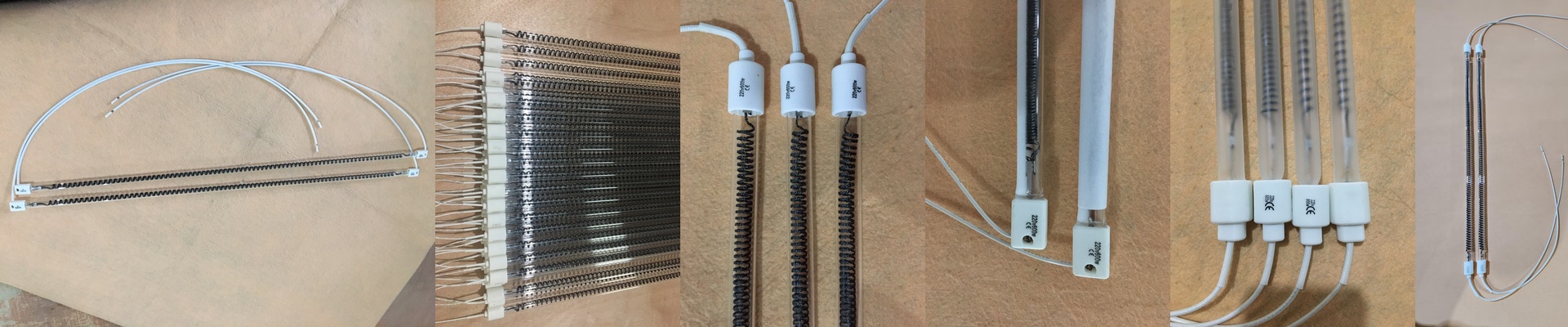
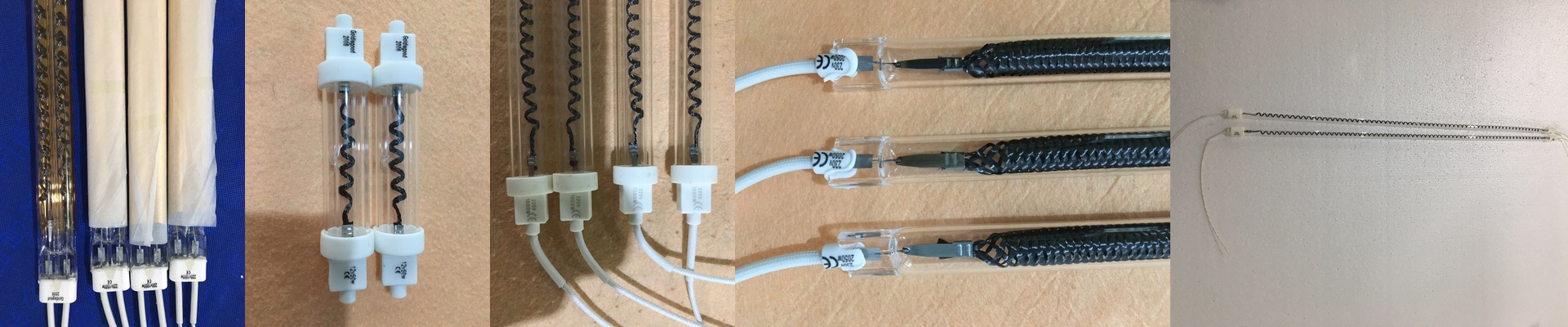
Meet the ruby infrared heat lamp—the kind of workhorse you want when you need serious, focused heat on the shop floor. It doesn’t mess around. We built it to deliver concentrated warmth exactly where you need it, and we did it by pairing carbon fiber elements with quartz glass. This combo isn’t by accident. It’s a deliberate choice to pack a lot of power into a small footprint, while keeping things fast, tough, and reliable.
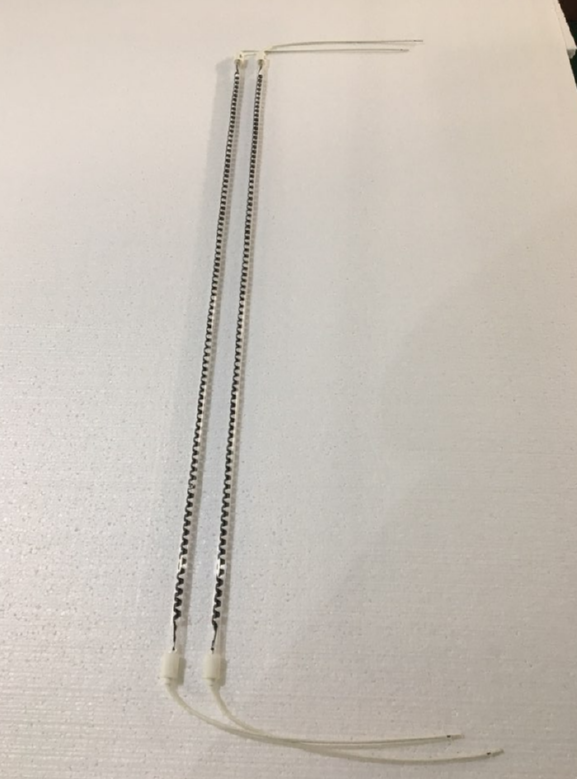
Power that hits hard, fast At 300W, this lamp is all about high-density heat that gets up to temperature in a hurry. You pick this power level when your process needs rapid heat transfer without going overboard on the whole system. That wattage translates directly into the heat flux hitting your target, so you can keep temperatures steady even when the environment keeps changing. And the compact size? It slips into tight spots with ease. Just keep in mind: that concentrated heat means the surrounding gear has to be ready for the extra warmth. What’s inside, and why it matters The heart of this lamp is the carbon fiber heating element, tucked inside a quartz glass envelope. Carbon fiber brings two big wins: it heats up almost instantly, and it handles repeated on/off cycling without cracking under thermal stress. The quartz glass is just as crucial—it lets infrared energy pass through cleanly, with minimal loss. Then there’s the ruby-red coating on the quartz. It acts like a smart filter, shaping the infrared spectrum to match what your target material absorbs best. That means less wasted energy and a more efficient process. Built for the real world Out in the field, you’ll find this setup doing the heavy lifting on jobs like plastic welding, coating curing, and drying components. The carbon fiber element and rugged quartz body can take a beating, day after day. Installation is straightforward—think drop-in replacement for standard fittings. But here’s the reality check: running at 300W puts out a lot of localized heat. Make sure your mounting setup and nearby components can handle the temperature. If they can’t, you’re risking premature failure of the electronics around it. Get that part right, and this lamp just keeps performing.