Carbon Fiber Heat Lamps: The Real Deal on Power, Voltage, and Getting the Job Done
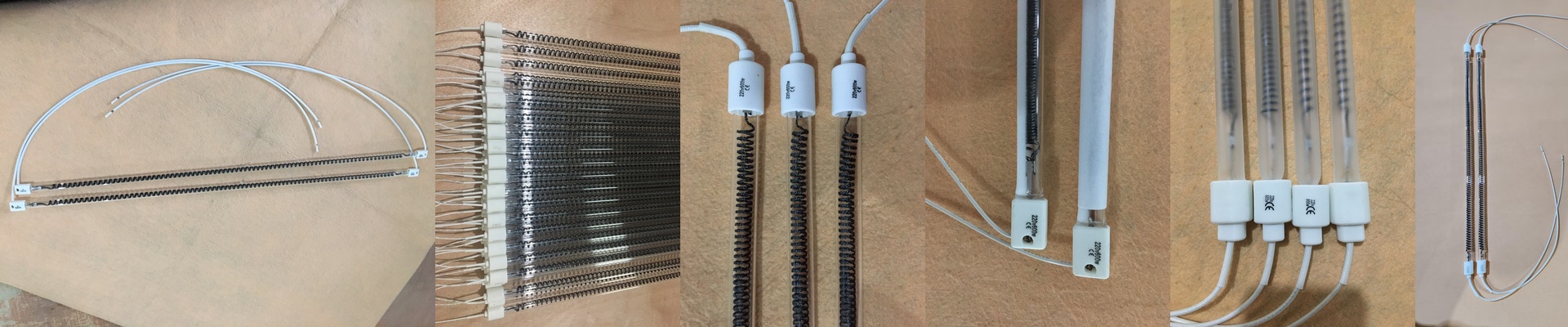
Let’s talk about carbon fiber heat lamps. These things aren’t your run-of-the-mill heater. They’re built for one purpose: industrial heating where you need heat, fast. And I mean fast. We’re talking about compact powerhouses designed to blast concentrated infrared energy into tight spots on the factory floor. When you need to get a job done quickly and precisely, that’s when you pull one of these out.
What’s Under the Hood: Power, Voltage, and Size
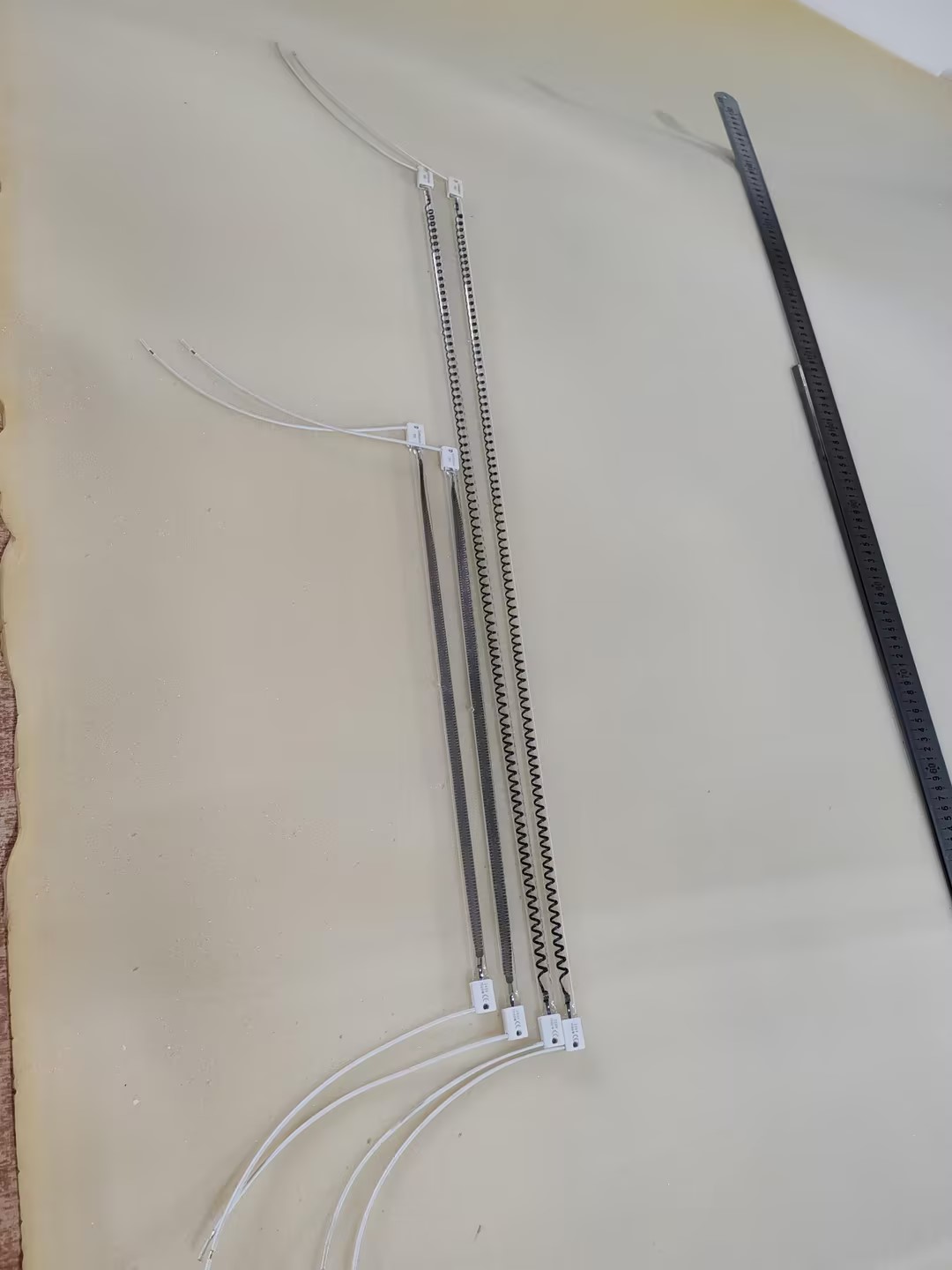
So, what makes these lamps tick? We design them around clear, practical targets. Take the 2500W rating. It’s not arbitrary. That level of power gives you the heat punch you need to get parts up to temperature in a flash, without needing a bulky enclosure to contain it. Then there’s the 400V voltage. It’s a smart choice. It cuts down on the current draw, which means you can use smaller wiring and you won’t have to worry about voltage dropping off over distance. And the 300mm tube length? It’s the perfect footprint. Long enough to give you a solid heating zone, but short enough to slip into those cramped machine bays where space is at a premium.
The Build: Halogen, Quartz, and a No-Fuss Connection
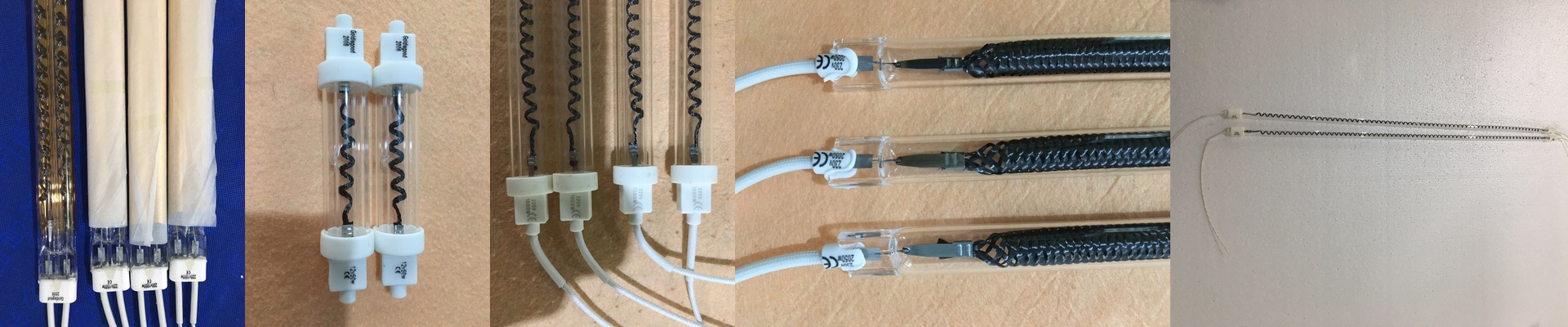
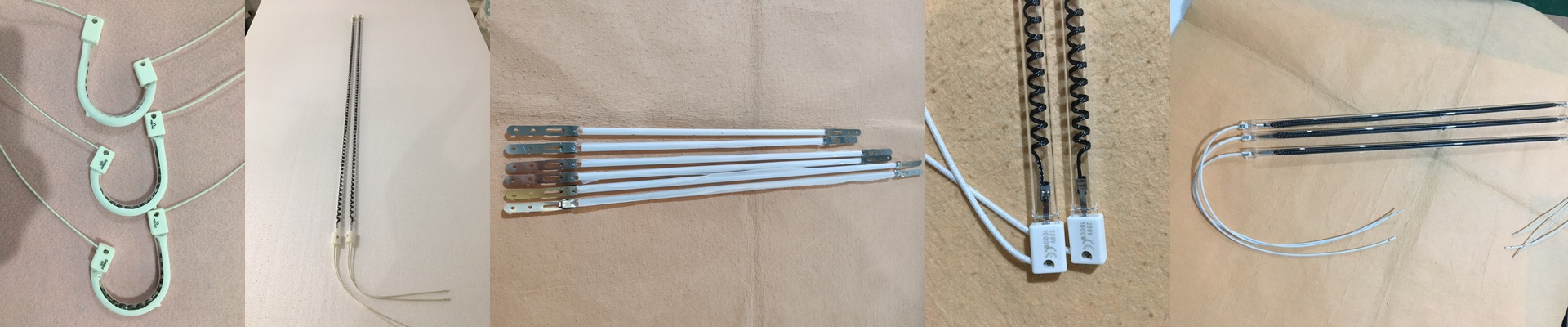
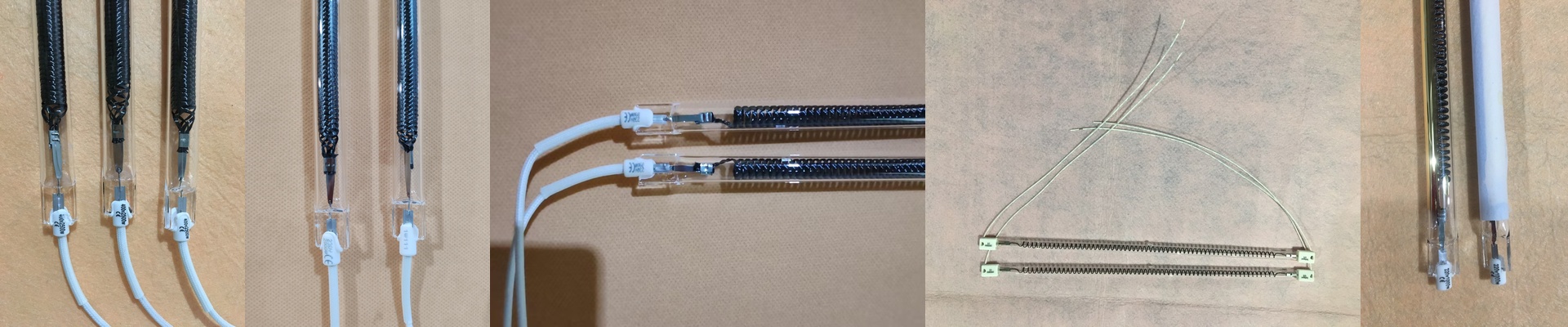
Inside, you’ve got a halogen capsule that delivers steady, intense infrared heat. The quartz envelope? It’s what keeps everything together when you’re cycling the lamp on and off, handling the thermal shock without a hitch. The carbon fiber element itself is built to take the repeated heating and cooling. It’s tough. No cracking under pressure, which is exactly what you need when your process demands constant starts and stops. And the R7s connector makes installation a breeze. It’s a simple, two-pin setup. Wire it, line up the pins, and lock it in. It’s a direct replacement that gets you back up and running with minimal downtime.
Where It Shines: PET Blowing and High-Power Heating
Out on the line, these lamps really show their worth. Take PET blowing, for example. The lamp hits the preform surface with quick, even heat, giving you consistent control over the parison. For other high-density heating tasks, that shortwave-like response is key. It focuses the energy exactly where you need it, so you’re not wasting time and energy heating up the entire machine structure. But here’s the trade-off. A 2500W lamp at 400V packs a serious punch. That means you absolutely have to make sure your cooling and ventilation are up to the task of managing the local heat.
The Bottom Line: Power Demands Planning
High output is the whole point, but it also means you have to plan for the surrounding system. You’ve got to think through the thermal path, double-check your fixture materials, and make sure your cooling can handle the continuous duty. It’s all about making sure the whole system can keep pace with the lamp’s power.
What You Feel on the Floor
When you’re running these, you feel the difference. The warm-up is almost instant. The footprint is small, so it fits where you need it. And the whole thing is built tough, surviving the daily grind of being switched on and off, over and over. We build these lamps to be straightforward—to spec, to install, and to maintain. Because at the end of the day, what you want is a line that just keeps running.