Introduction
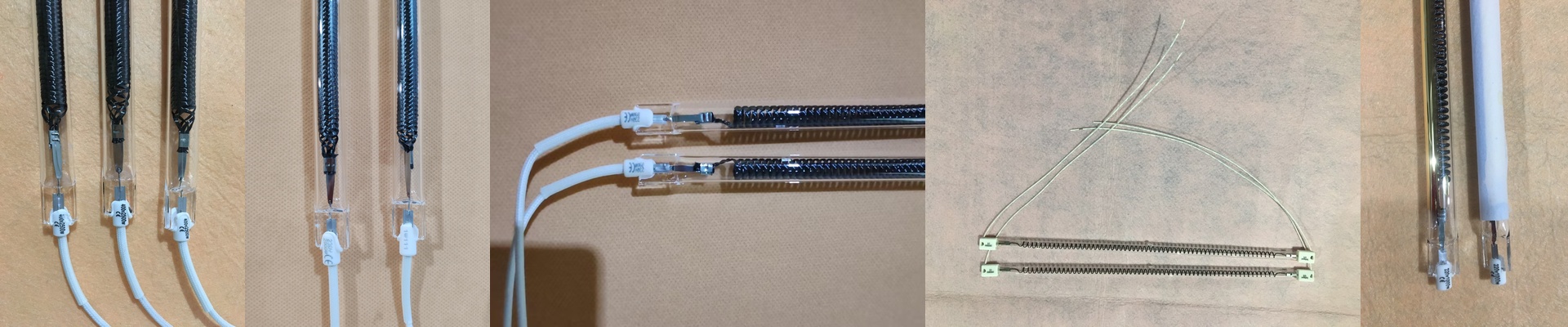
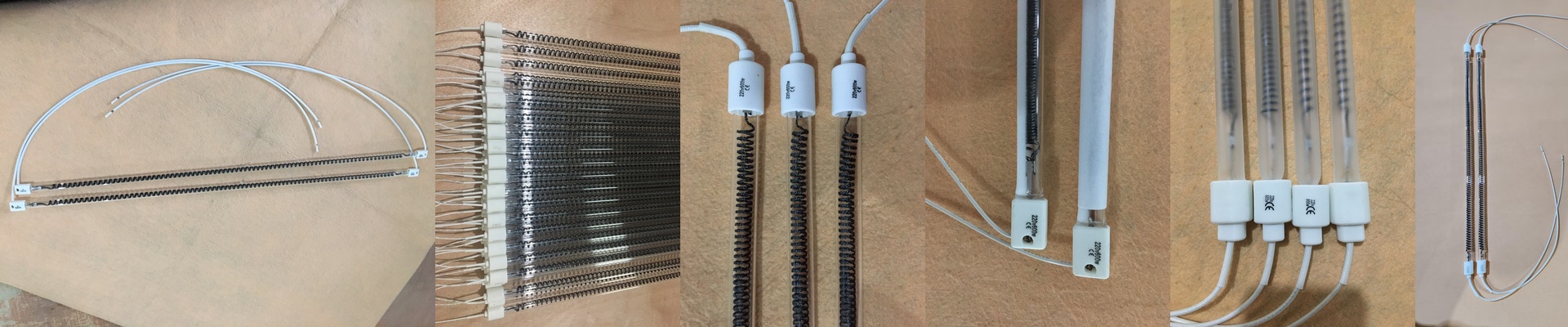
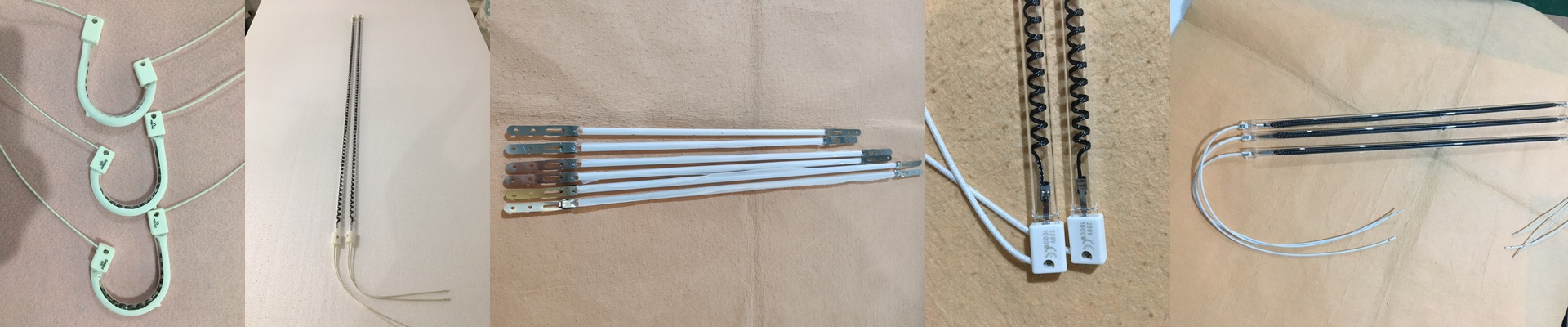
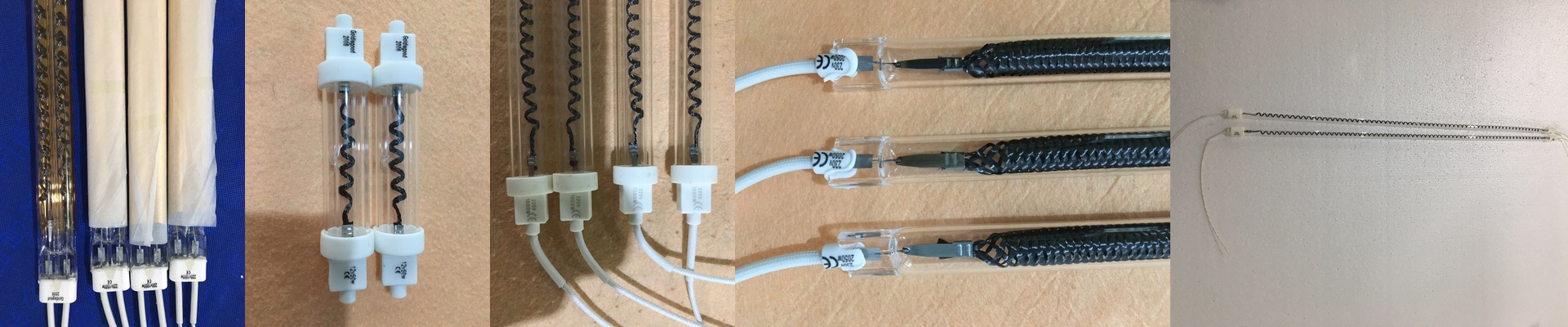
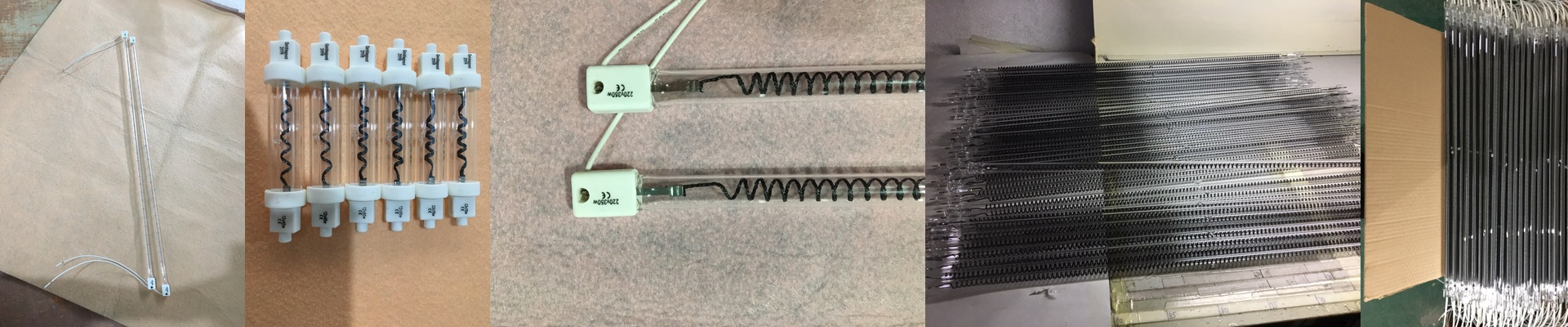
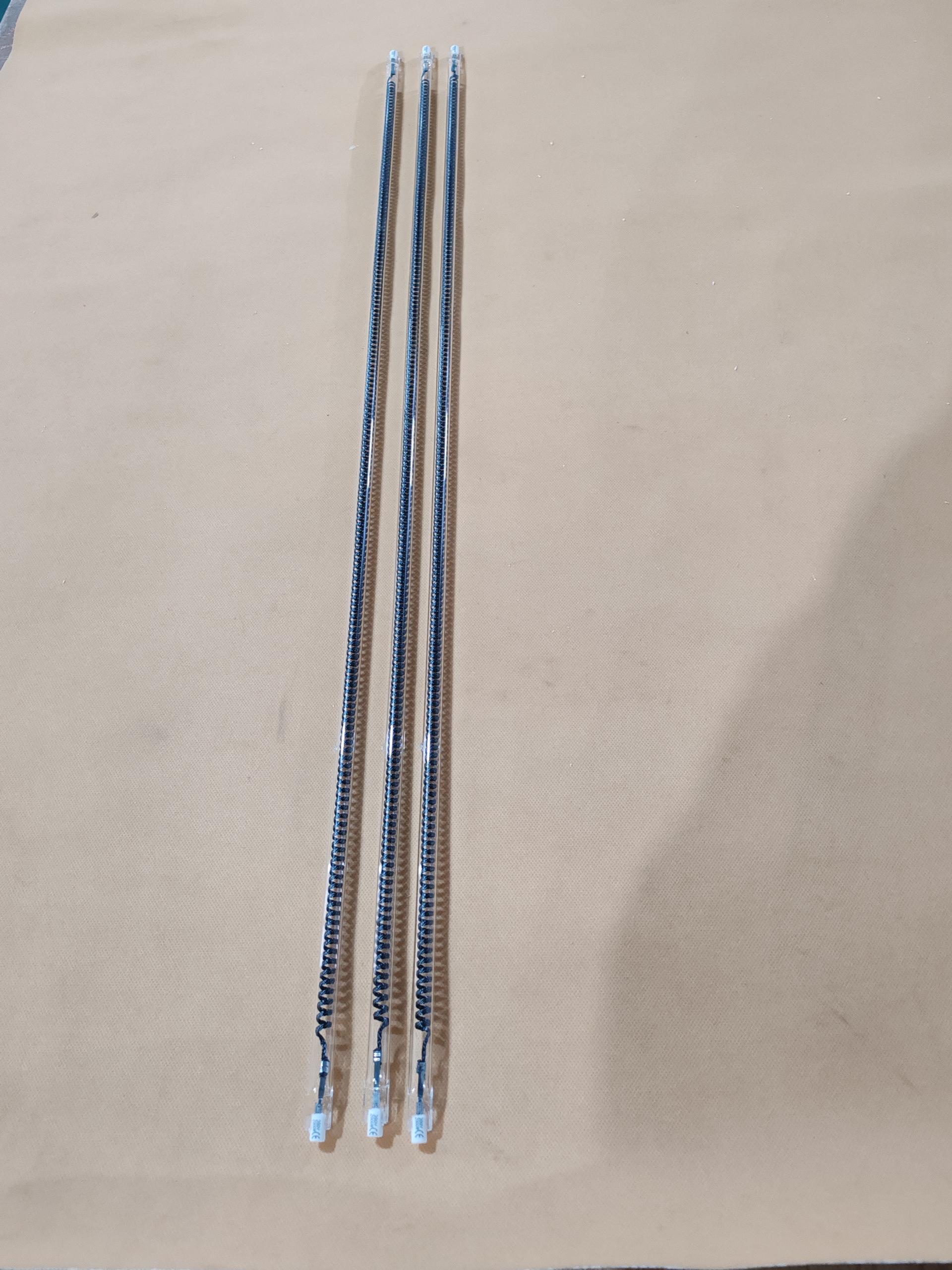
We built this 2500W, 1260mm infrared carbon fiber tube to be a straight-up workhorse for industrial heating. It’s the kind of heat source you bring in when you need serious, focused power—fast. Think of it as your go-to for jobs that demand quick, localized heating. It delivers a tight blast of thermal energy that helps you speed up cycle times without having to tear your whole setup apart.
Power and Size, Without the Guesswork
At 2500W packed into a 1260mm (1.26m) length, this thing has a very deliberate power density. That size-to-power ratio is what gives you that clean, linear heat profile along the entire length. That matters when you’re doing something like plastic welding or film shrinking. You get even heat, top to bottom, without those annoying dips and cold spots you see with cheaper elements. We balanced the wattage against the length so the element can handle the heat day after day, without burning out early.
The Secret Sauce: Carbon Fiber
Carbon fiber is the heart of this design. It heats up almost instantly, and it shrugs off thermal shock like it’s no big deal. That means you can cycle it on and off, over and over, without worrying about cracks. It also puts out infrared heat that’s tuned to be absorbed by most industrial materials. So less energy gets wasted—more goes right where you need it. The tube itself is built to handle the extreme temps, and the end fittings are spec’d for a rock-solid, low-resistance connection. Once you wire it in, it stays put, even when things get shaky.
Where It Shines (And What to Watch For)
This tube is made to drop right in wherever you need a compact, high-output heater. You’ll see it a lot in packaging machines, plastic processing lines, and drying setups—anywhere fast response is non-negotiable. It throws a lot of heat, no question. But with that kind of power comes a little reality check. You need to make sure your surrounding equipment and electrical setup can handle the heat rejection and the current draw. Proper mounting and thermal shielding aren’t optional—they’re mandatory. Do those right, and this thing will keep your whole system humming, without beating up the components around it. For serious industrial heating, it’s straightforward, tough, and dependable.