Introduction
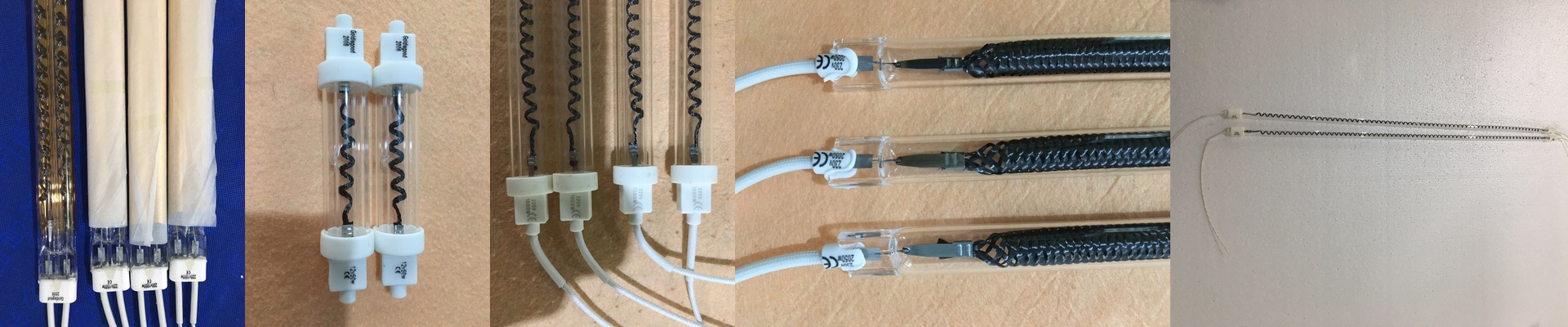
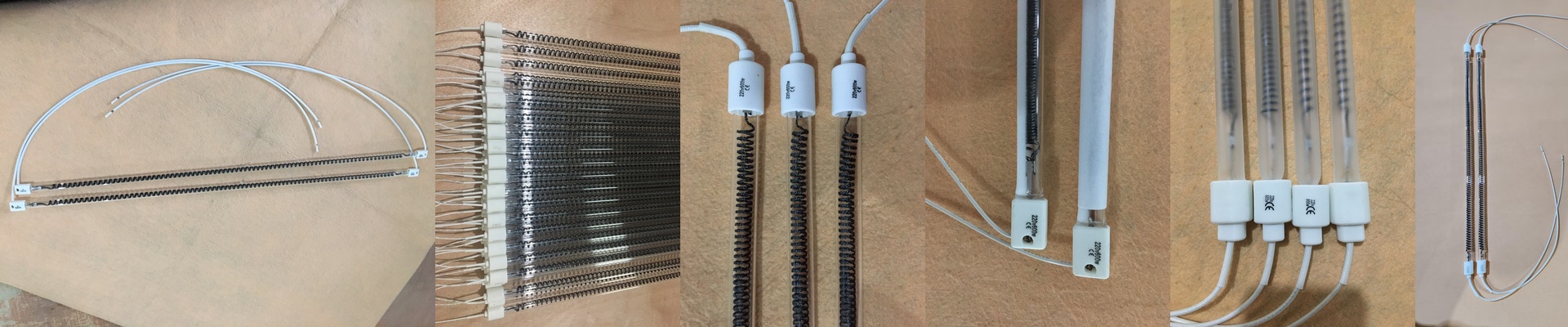
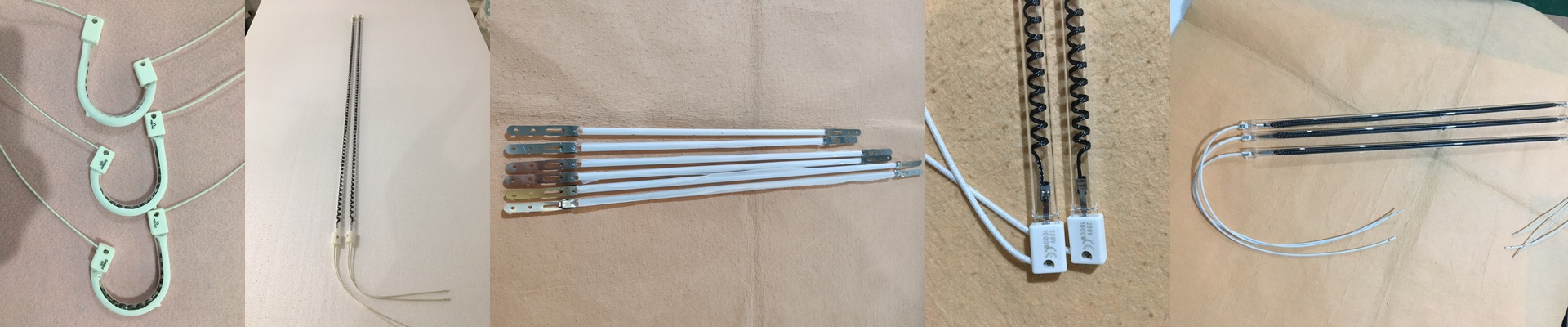
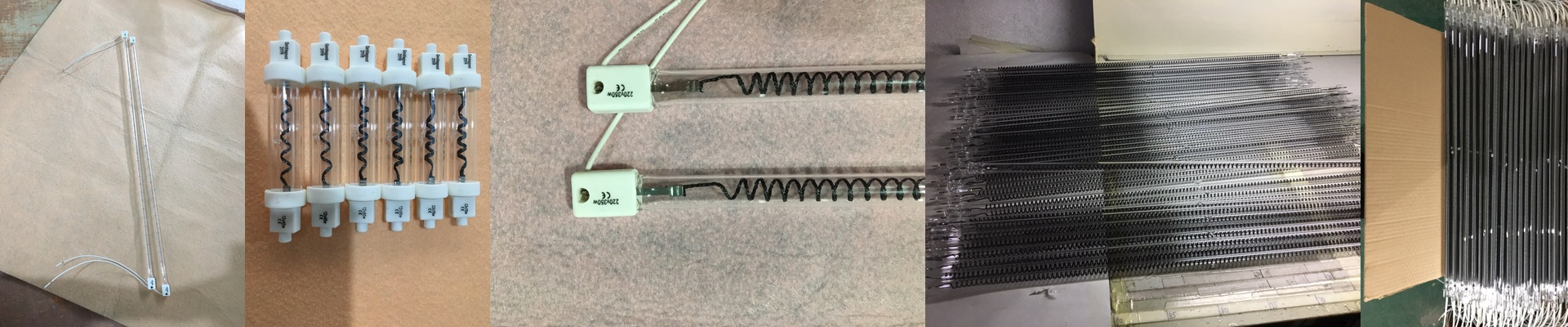
We build infrared heating lamps for industrial finishing lines. Plain and simple. When you’ve got paint to dry or carbon fiber components to cure, you need heat that’s fast, easy to control, and doesn’t quit on you. Our infrared lamps do exactly that. They turn electricity straight into radiant heat, zeroing in on the part’s surface and skipping the waste of heating up the air around it.
Power and Size: What You Actually Need
For this kind of work, we lean on a high-wattage, shortwave infrared lamp. We set it at 2500W because that kind of punch is what it takes to cure things in a hurry. And we run it at 400V to match the power setup you already have on the factory floor. That keeps the current draw down while still delivering the muscle you need. The whole thing is built to fit. We’re talking a compact 300mm tube. So you can slip it into tight spots or focus the heat exactly where you need it, without having to rework your whole line.
The Inside Story: Halogen, Quartz, and the Right Connections
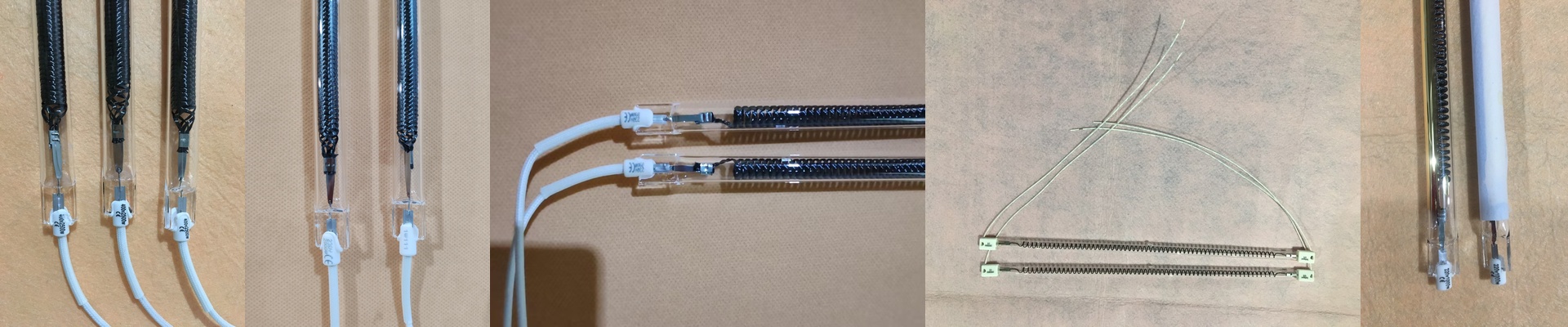
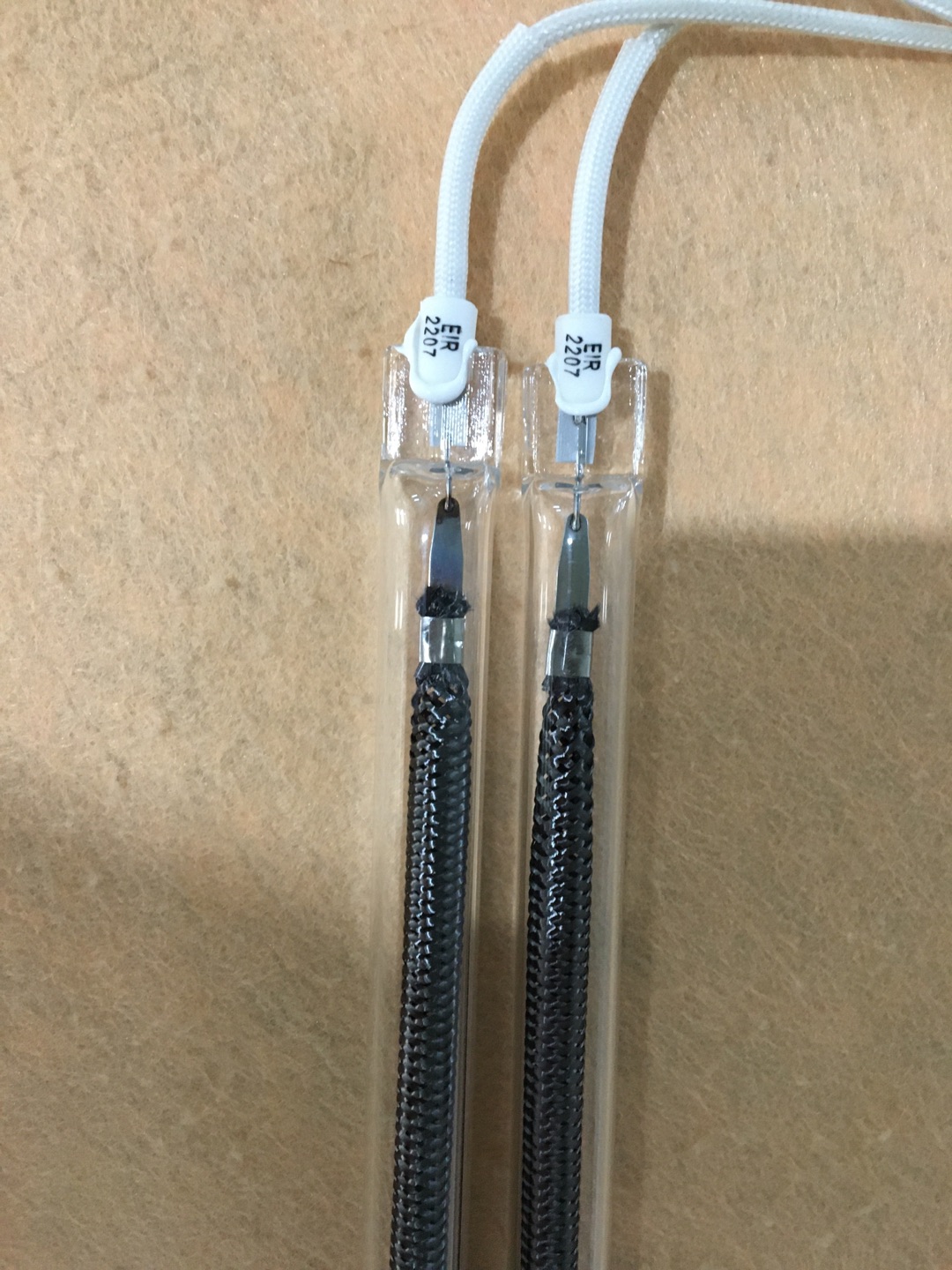
At the heart of it all is a halogen-filled quartz tube. Quartz can take the heat—and keeps things stable, even when it’s running hot. The halogen cycle keeps the filament clean, so you don’t get that blackening that kills output over time. The result? Consistent heat from day one to the last day. Then there are the connectors. We use R7s. It’s the standard for a reason. This double-ended connection is tough enough for high temperatures, easy to wire, and a snap to replace when a tube finally reaches the end of its run.
On the Line: Why This Matters to You
Out on the floor, this stuff makes a real difference. With paint drying, the infrared energy gets right into the wet film, heating it from the inside out. That drives off solvents fast and evenly, so you don’t have to worry about blistering or that orange-peel look. With carbon fiber, the high heat density means you can run fast resin cure cycles. No waiting around. Just keep the line moving. Now, with this kind of power, you do need to think about heat management. A 2500W tube at 400V throws off a lot of heat. So your cooling system—whether air or water—has to be up to the task. Get the cooling right, and what you end up with is a workhorse. A drop-in replacement that can handle the daily grind of industrial drying, shift after shift.