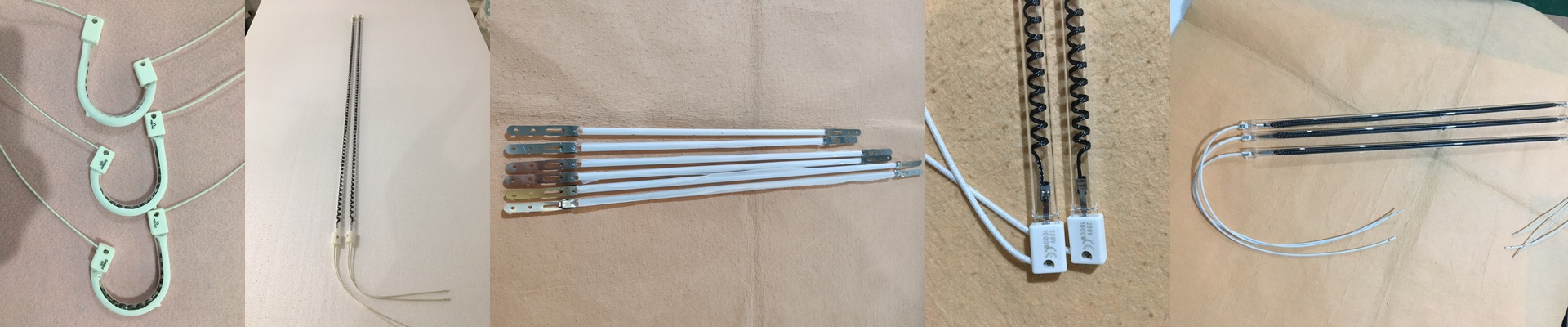
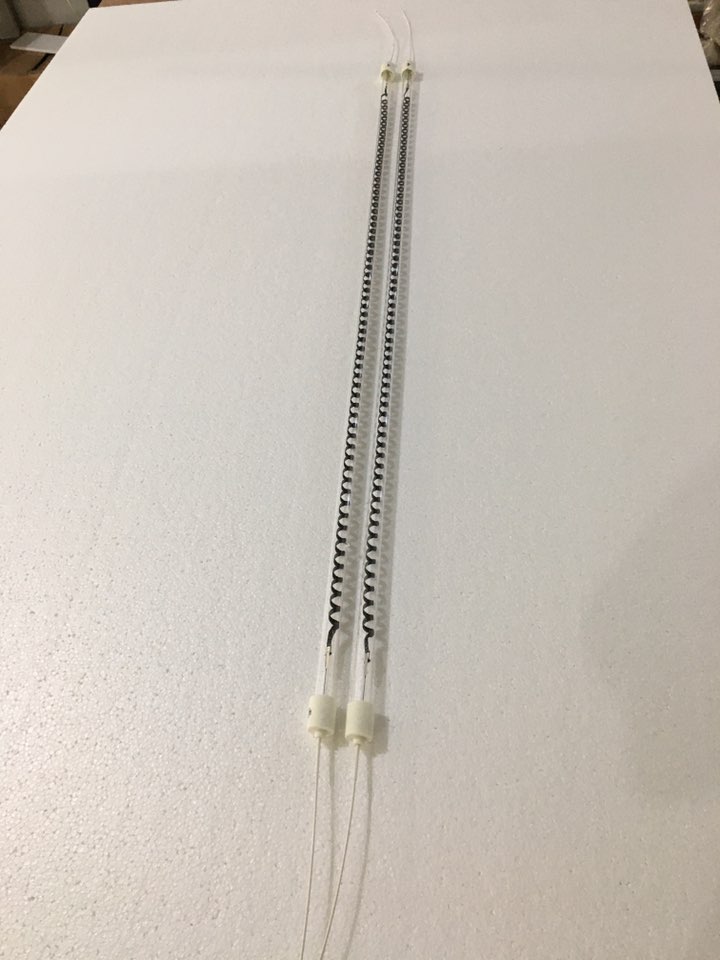
Let’s Talk About Our 1000W Carbon Fiber Quartz Heaters
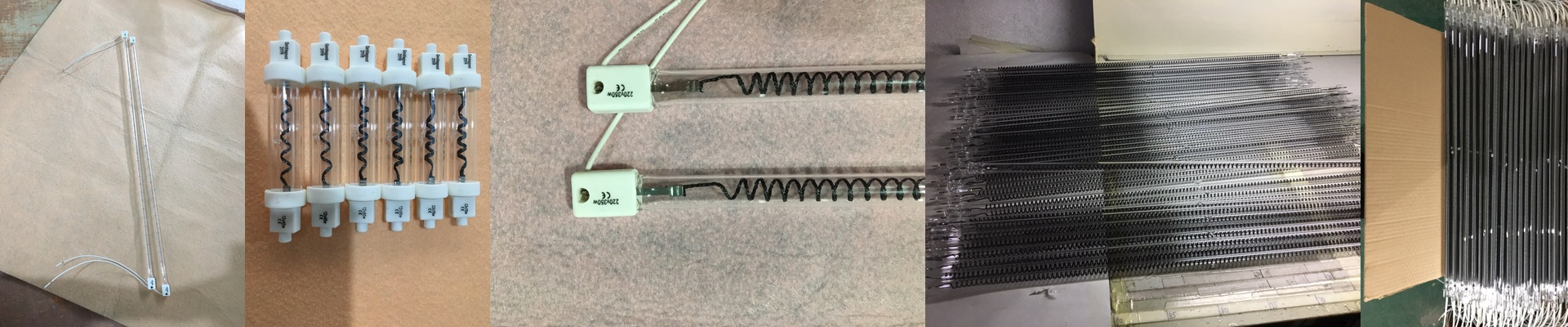
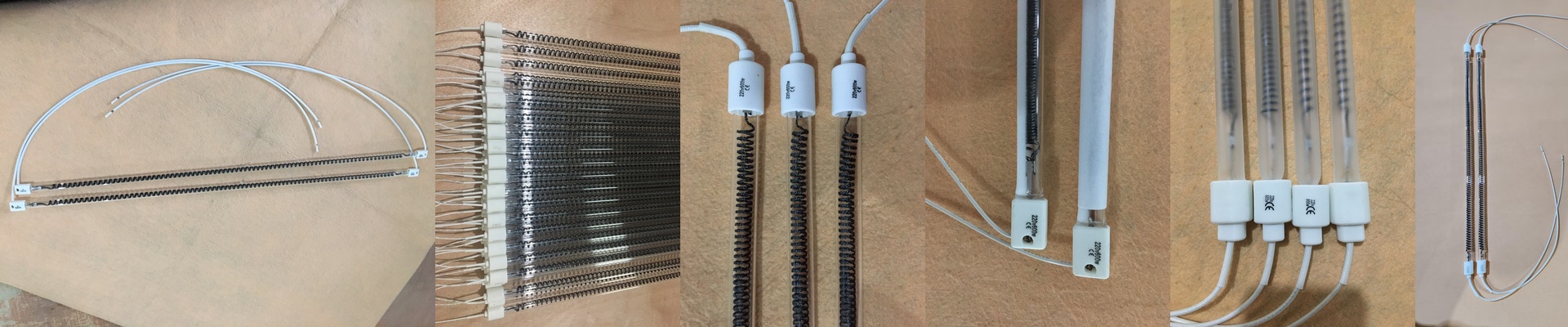
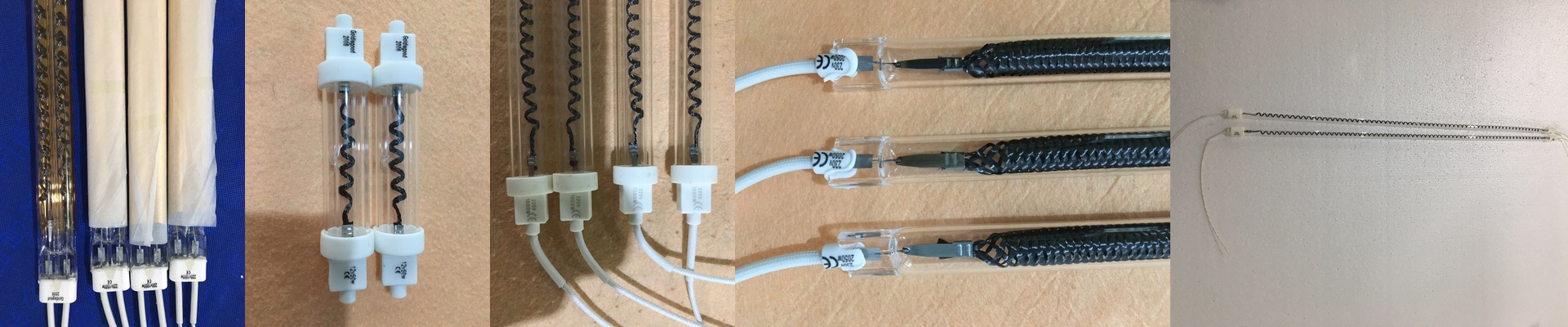
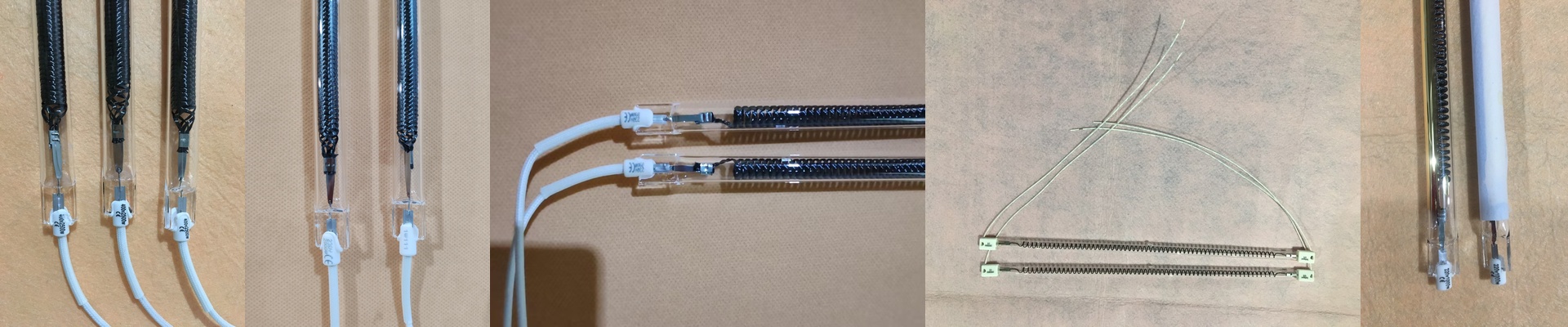
If you’re looking for heat that hits hard and hits fast, this is where you want to be. We built these 1000W units for the kind of jobs where waiting for a heater to warm up just isn’t an option. Instead of those old-school metal coils, we use a carbon fiber filament tucked inside a high-purity quartz tube. It changes the way the heat moves, making it way more efficient at actually getting into whatever you’re heating. The power side of things Packing 1000W into a small quartz tube creates a serious amount of concentrated energy. It’s fast. Really fast. The carbon fiber reaches its operating temp almost the second you flip the switch. Since you get so much power in such a small space, your overall setup stays compact. But here’s a heads-up: that kind of heat density can be brutal on cheap reflectors. Don’t skimp there. Stick with high-grade gold or aluminum mirrors so the energy bounces back toward your workpiece instead of melting your housing. What’s under the hood? The quartz glass is doing a lot of heavy lifting here. It keeps the filament safe from oxidation while letting the infrared waves slide right through without losing steam. Then there’s the carbon fiber. It can take the heat way better than nichrome wire and doesn’t start sagging after a few long industrial cycles. We also beefed up the terminations. Thermal expansion is a real thing, and we didn’t want your connections failing just because things got hot. Putting them to work These should slide right into most short-wave IR systems. They’re great for drying, curing, or shaping plastics. Just a tip on the setup: because they peak so quickly, you’ll want to spend a little extra time tuning your PID controllers. If you don’t, you might overshoot your target temp. Also, carbon filaments are sensitive. If your voltage jumps around, the heater feels it immediately. Grab a stabilized power supply to keep the filament from burning out early. And for the love of everything, use high-temp leads. Otherwise, you’ll be smelling melted insulation before the heater even gets going.