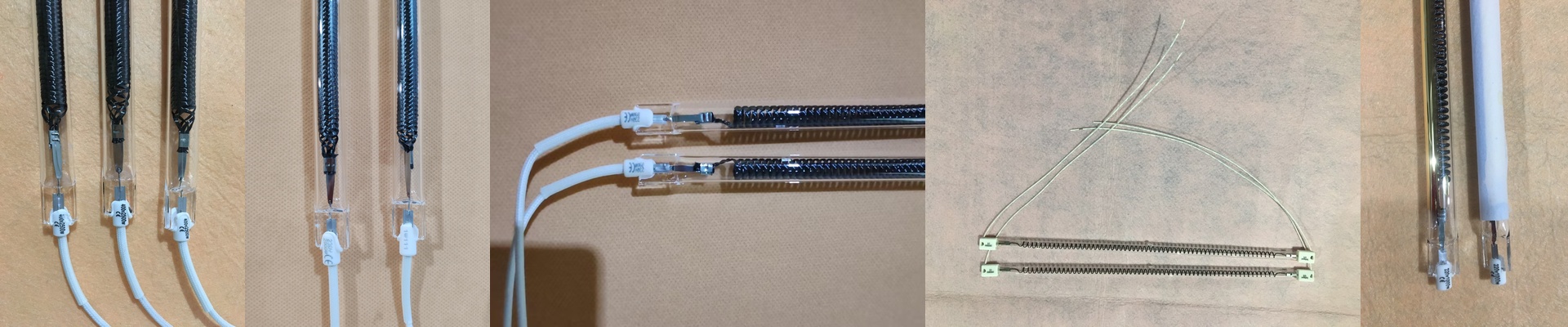
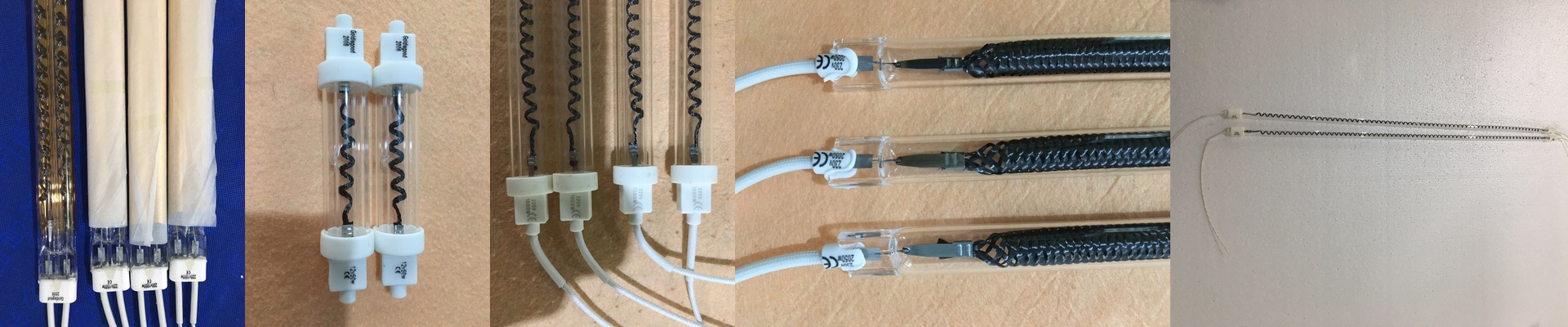
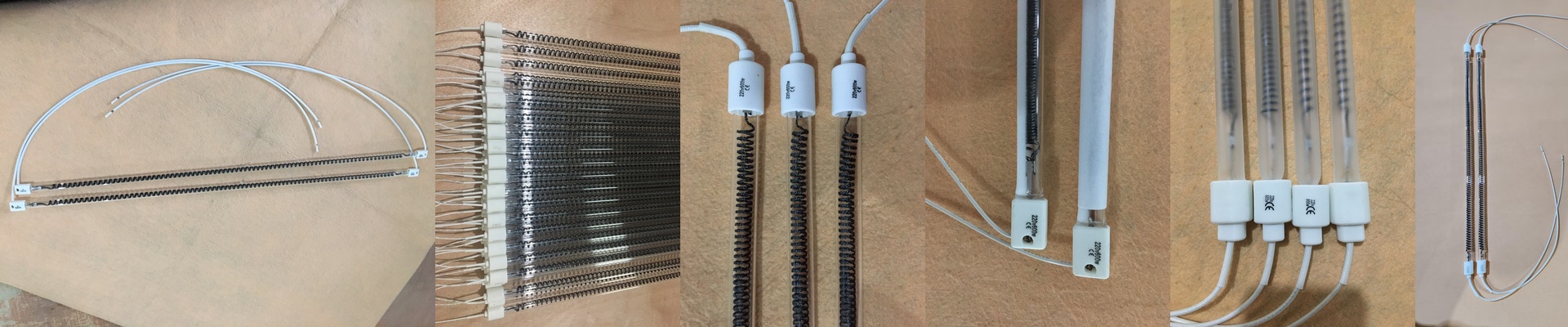
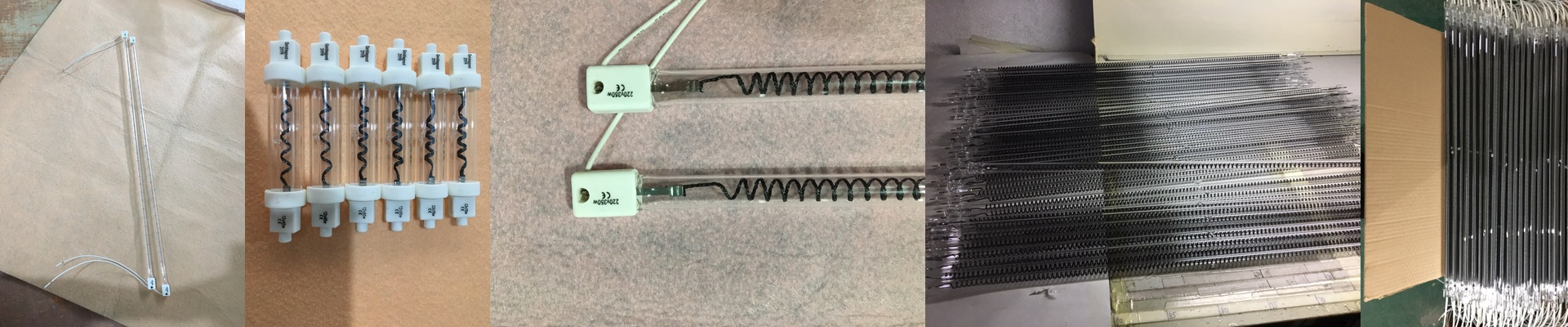
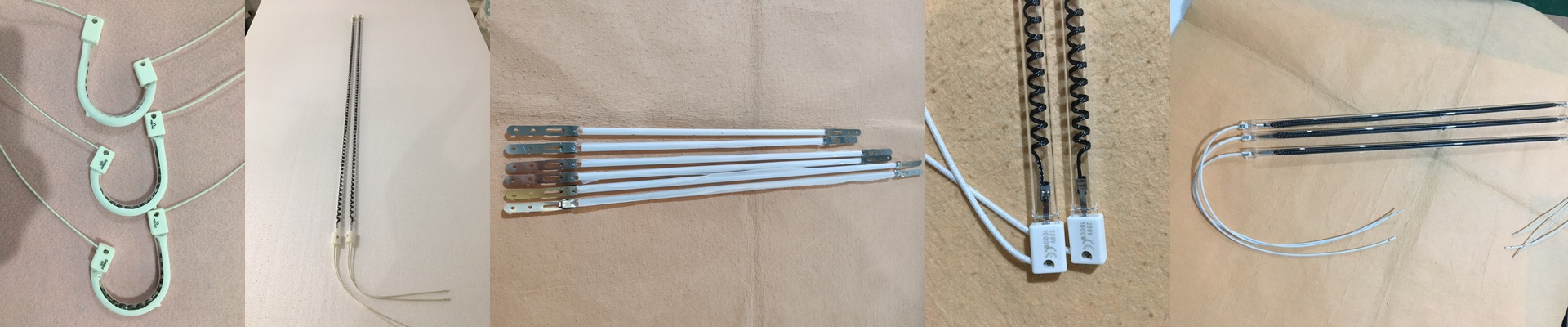
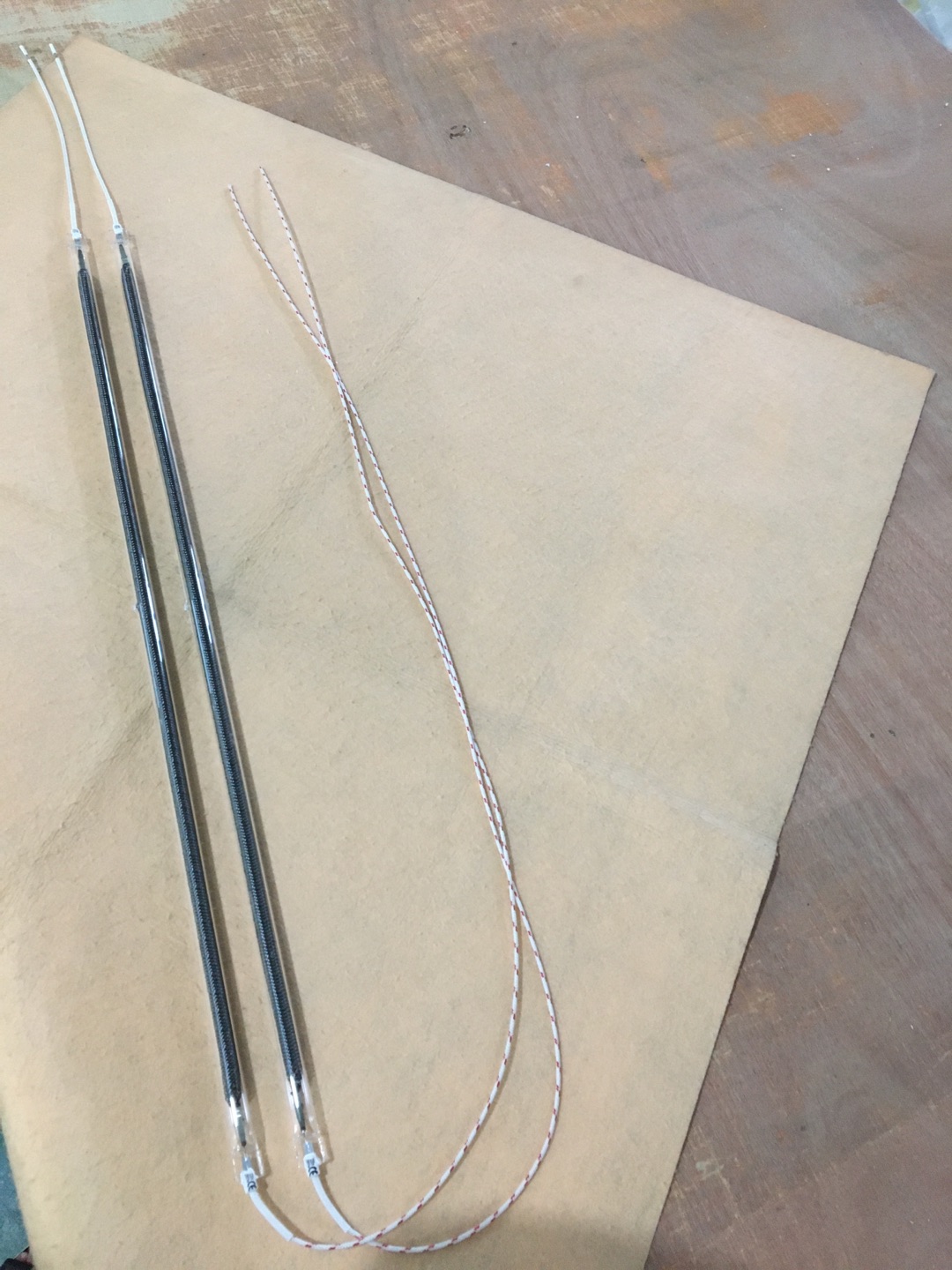
Let’s talk about the 220V 1000W Carbon Fiber IR Lamp
We built these lamps for those “middle ground” jobs. You know the ones—where a standard quartz heater feels like it’s trying to melt your project, but you still need some real muscle to get the job done. Instead of using the usual tungsten or halogen wires, we went with carbon fiber. Why carbon fiber? Well, for starters, it doesn’t burn out from oxidation the way metal filaments do. It lasts. But the real magic is in how the heat actually works. Instead of just searing the surface and leaving the inside cold, this lamp pushes heat deeper into whatever you’re working on. It’s a more thorough kind of warmth. The nitty-gritty stuff We’ve got this running at 220V and 1000W, which gives you a steady, reliable flow of heat across the whole lamp. We wrapped the filaments in high-purity quartz glass so the IR waves can just glide right through without getting trapped in the tube. And because nobody likes a meltdown, we used heavy-duty wiring that can handle the heat during long shifts. One thing you’ll notice right away: it heats up fast. Way faster than those old resistive coils. If you’ve already got an IR setup, you can probably just swap this in—just make sure your controller is cool with the resistance levels of carbon fiber. Where this actually helps you If you’re running drying tunnels, curing stations, or PET blowing, this is your best bet. The carbon fiber tech helps get rid of those annoying “hot spots” that usually warp your plastic or ruin a nice coating. Now, just a heads-up. This isn’t a “flash-fryer.” If you need an instant, blinding blast of heat, this might feel a bit too mild for you. It’s more about steady, deep penetration than a sudden shock. My advice? Pair it with a PID controller. It’ll keep your temperature windows tight and your results consistent.