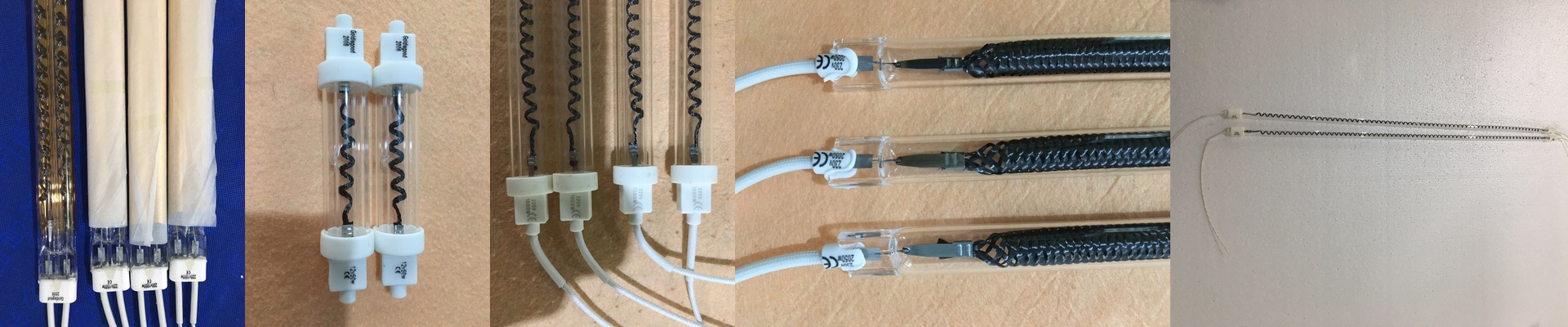
What Actually Makes This Heat Tube Tick
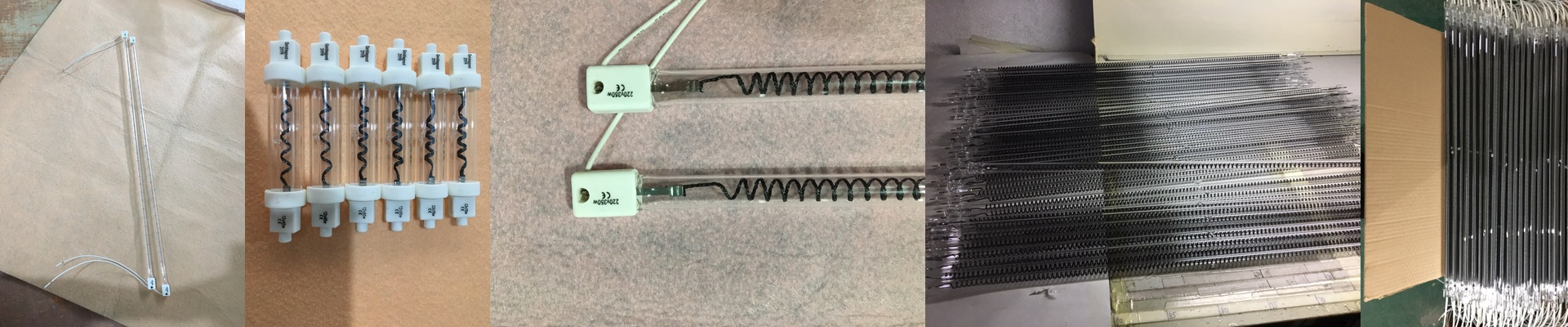
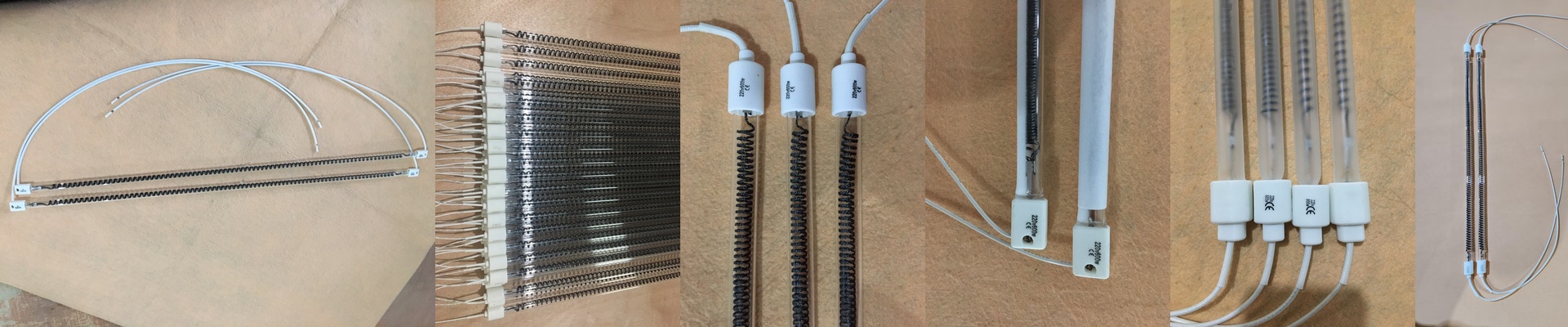
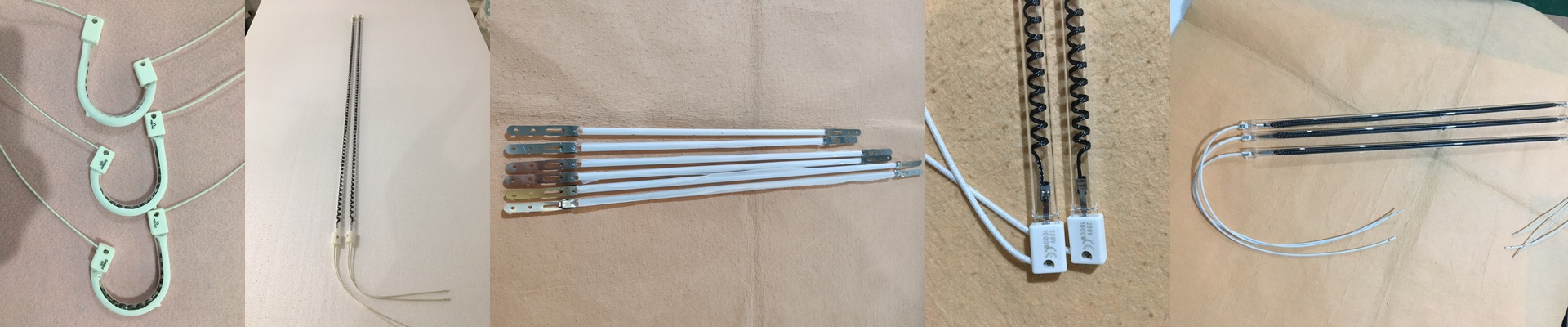
Here’s the deal: we built the carbon heat tube to be a seriously compact infrared powerhouse. It’s for those industrial spots where you’re squeezed for space, but you absolutely can’t afford to skimp on power. And it’s got the muscle to prove it. These units run at high voltage—400V is pretty standard. That’s intentional. Bumping up the voltage drops the current for the same wattage, which keeps your wiring manageable and eases the strain on those internal connections. When you’re sizing one, you just match the wattage and length to the job and the space you have. For example, a 300mm tube can crank out 2500W. That’s a lot of heat packed into a small footprint.
Inside the Build
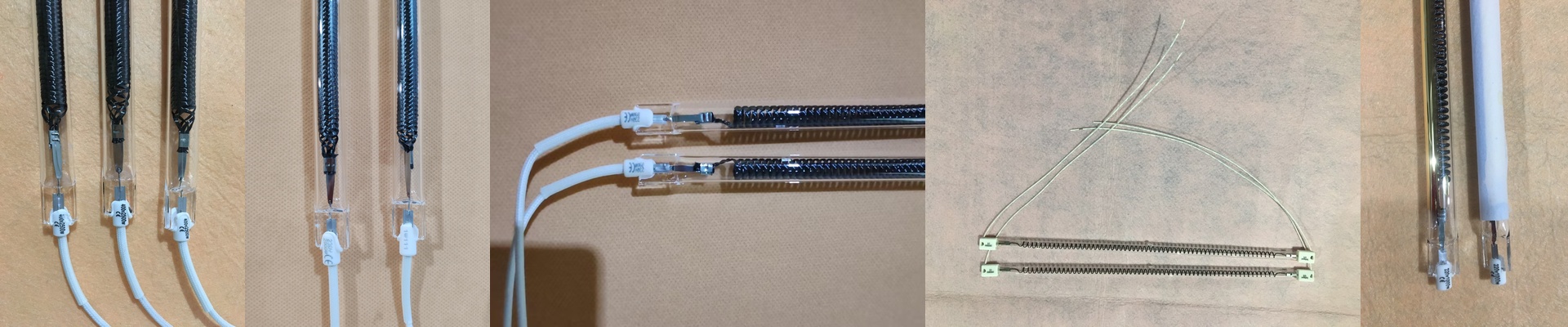
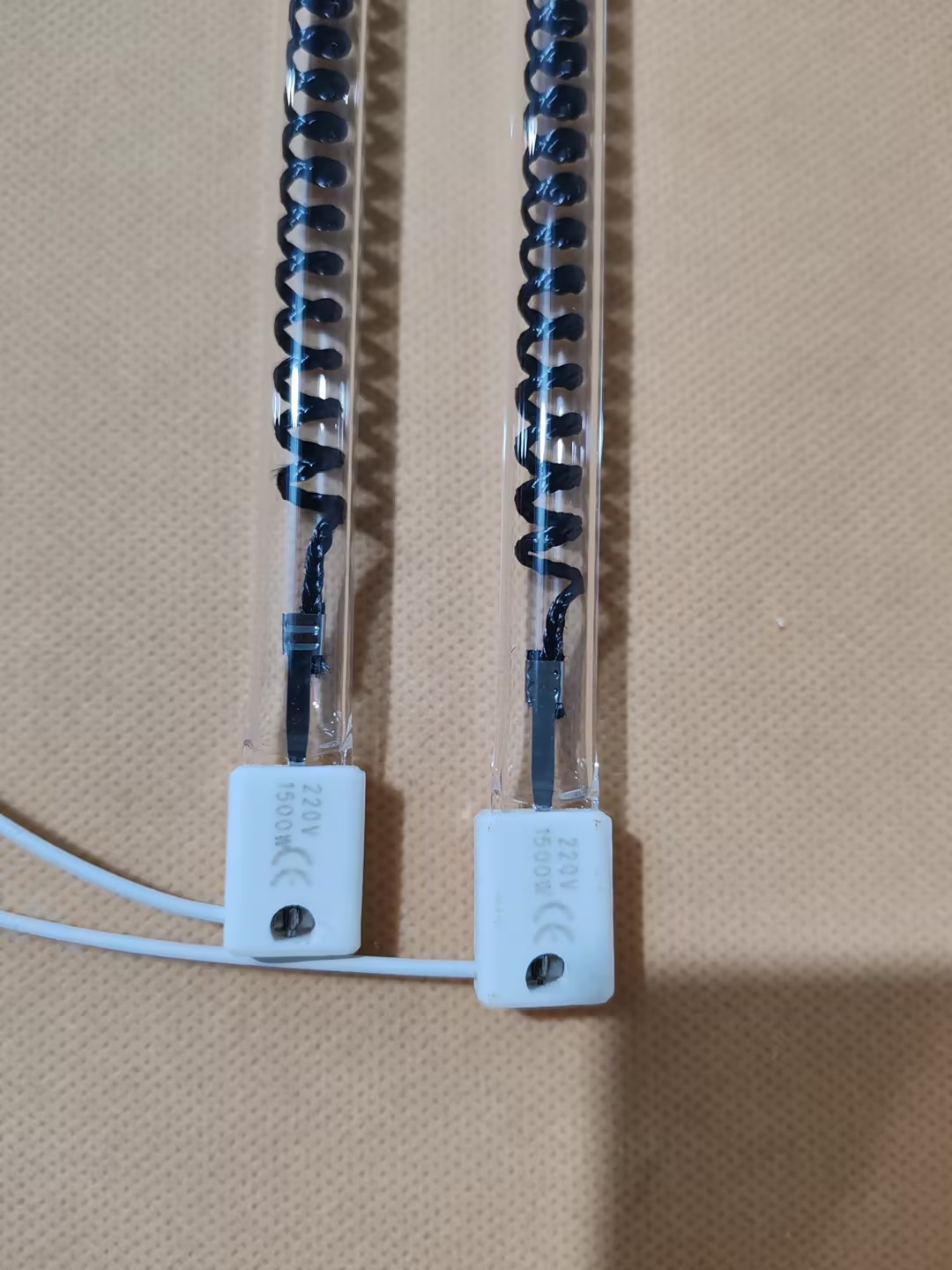
At the heart of it all is a carbon filament, sealed up tight inside a quartz envelope. Quartz is the perfect choice here. It can handle the shock of heating up and cooling down fast, and it stays clear in the shortwave range so the heat transfer is quick and direct. Then there’s the halogen gas inside. It keeps the filament stable and stops it from blackening over time, so the output stays consistent. The whole thing is finished off with an R7s connector—a straight, double-ended design that makes the tube a simple, drop-in swap. It holds the load securely and keeps everything perfectly aligned inside the reflector.
Where It Shines (And What to Watch For)
You want this tube when you need heat, fast, and right where you need it. Think plastic forming, sealing, drying, or curing. The shortwave response hits the target hard and fast, which helps you cut down on cycle time. You can count on a long service life, but you’ve got to plan for the heat. High watt density means you need proper cooling and clearance. Give the surrounding parts some breathing room so they don’t get cooked.